These are three picture sets of vintage picture updates I took around San Francisco in the past that I redid last week. The top pictures are the vintage pictures, the middle pictures are my first updates when San Francisco was a bustling town, and the bottom photos were taken at the same spots only a lot less crowded right now due to the Covid-19 outbreak.
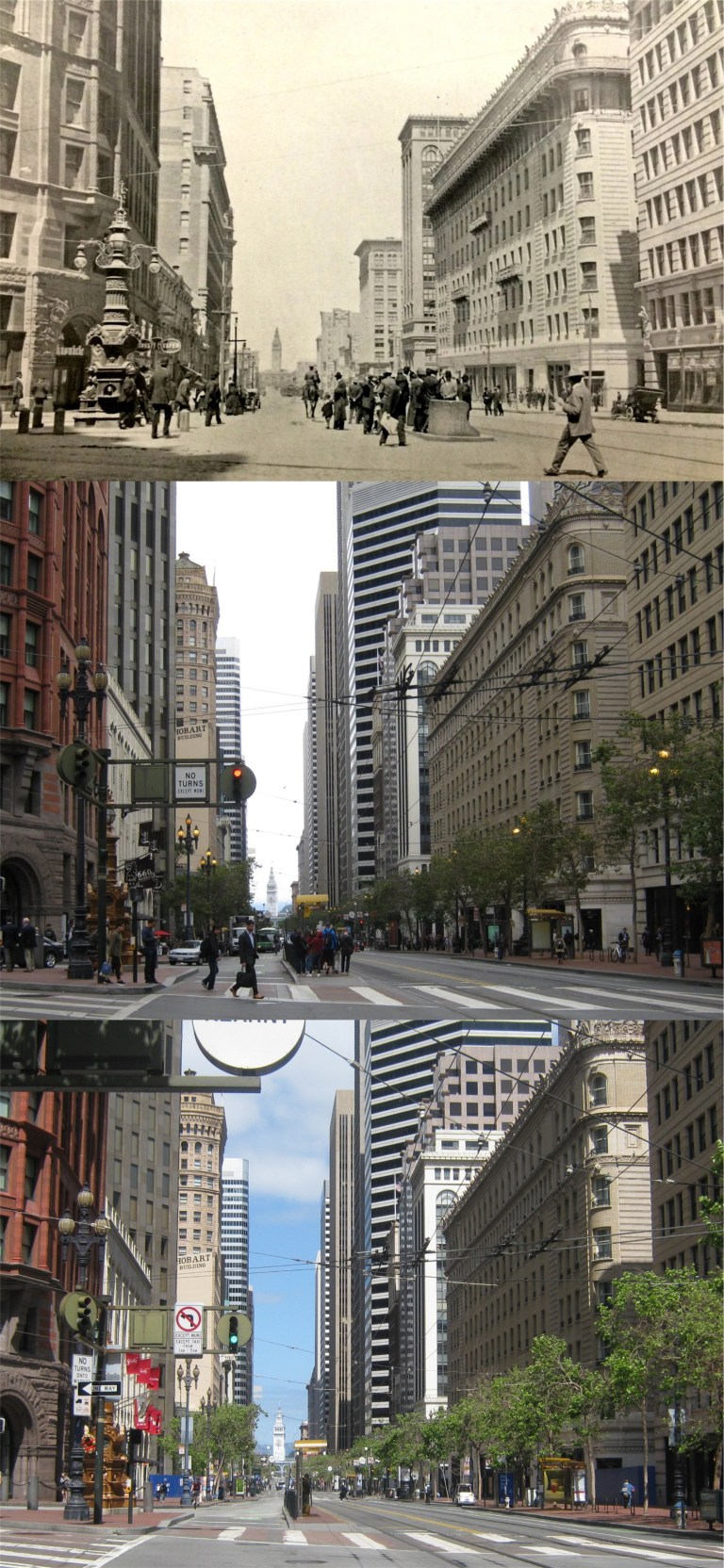 Market Street at Kearny: The top picture from the San Francisco Library History Room is from 1910, the center photo is from 2016, the bottom photo was taken April 18th 2020, the anniversary of the 1906 Earthquake and Fire. For almost one hundred years survivors of that disaster met at Lotta’s Fountain on the left at the exact time and day of the earthquake.
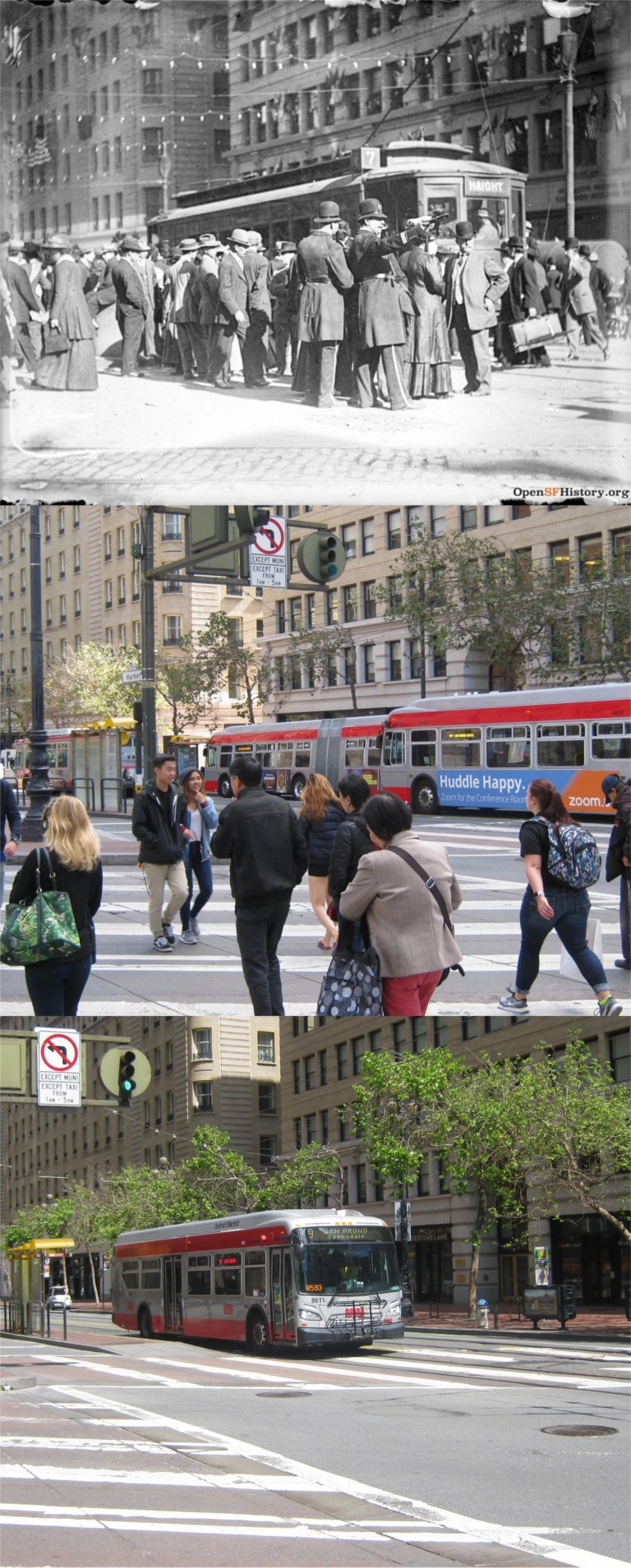 Another picture taken in 1910 at Kearny and Market Streets looking toward the Palace Hotel on the left: The middle picture was taken in 2017. (opensfhistory.org)
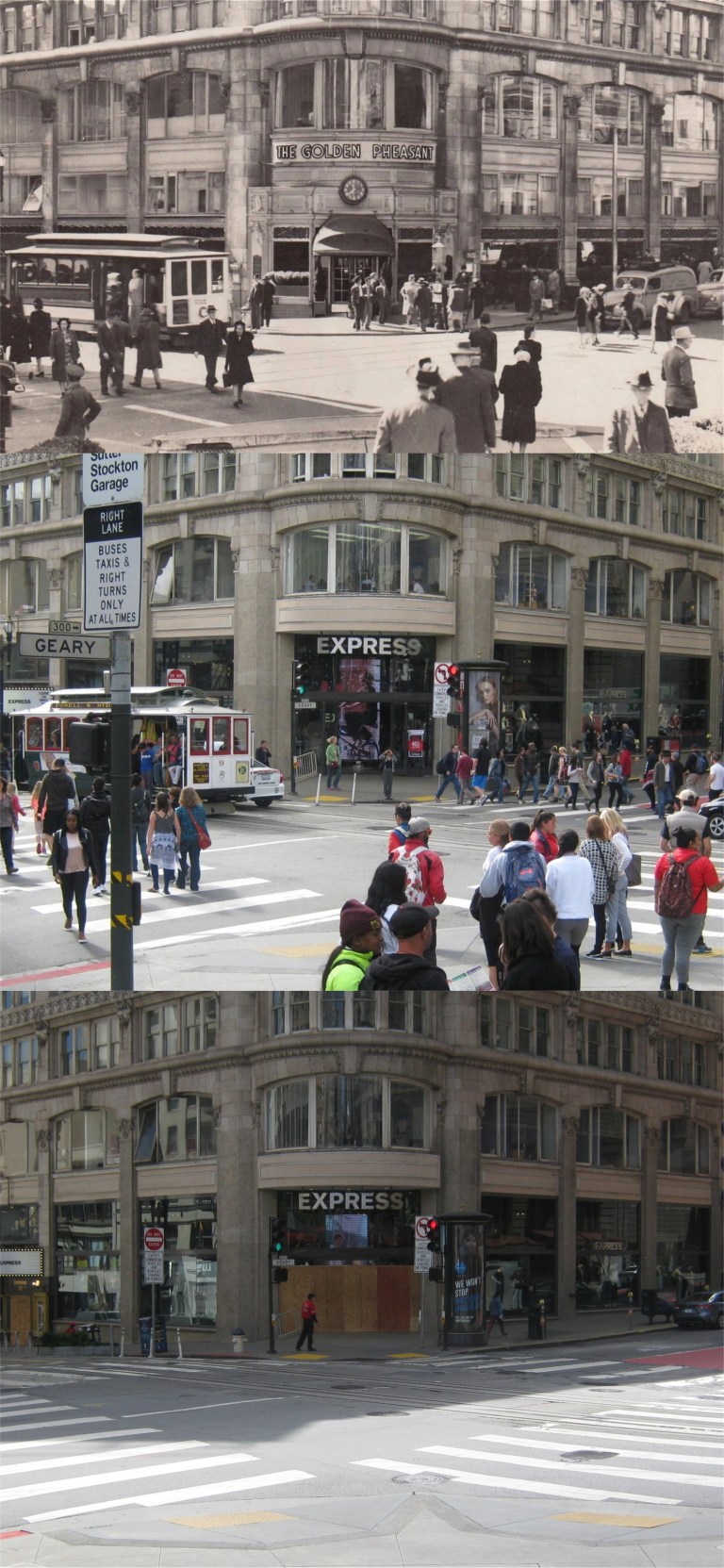 The corner of Powell Street and Geary, looking from Union Square: The top picture is from 1948, the middle picture was taken on Veterans Day, 2016.
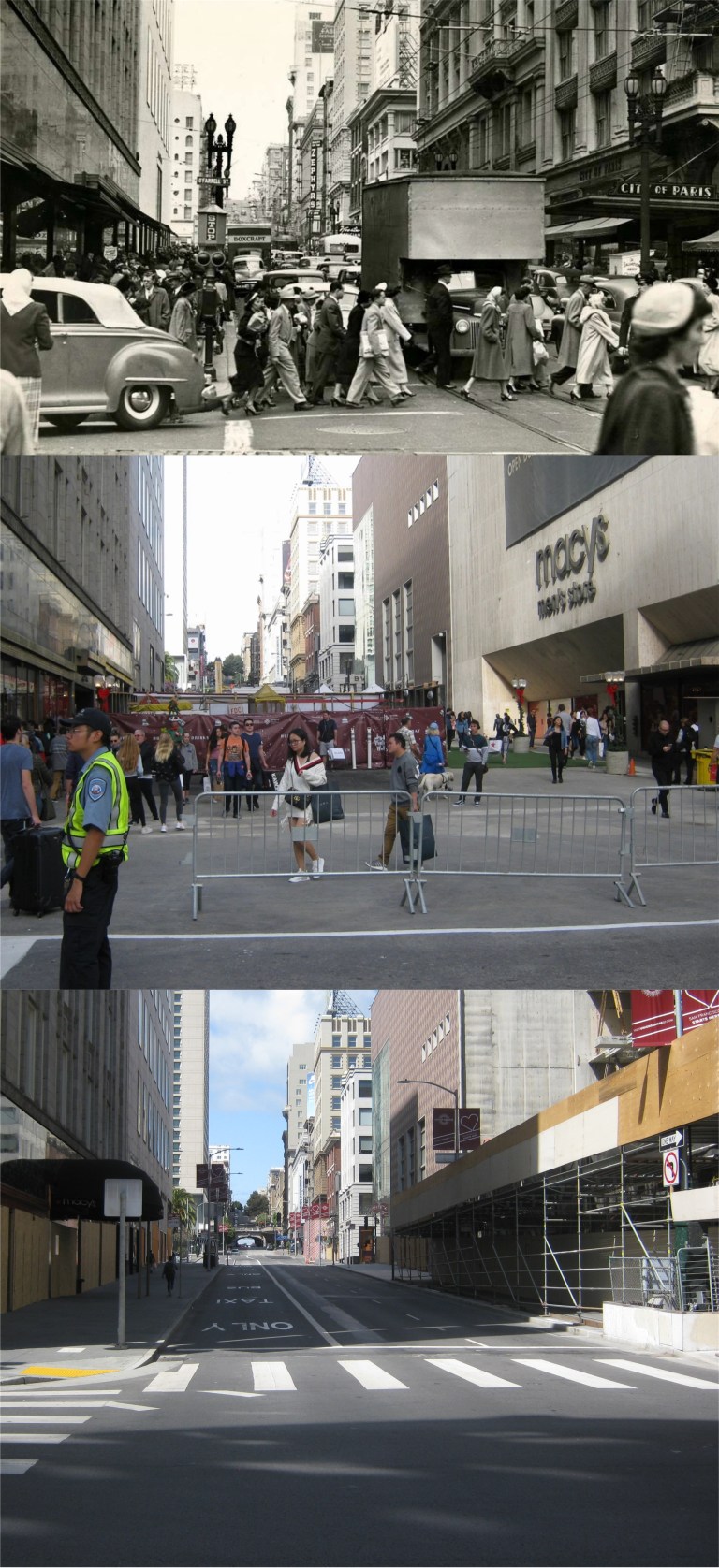 Stockton Street at O’Farrell looking north: The top photo from the San Francisco Chronicle was taken in 1951, the middle photo I took on “Black Friday”, November 24th 2017.
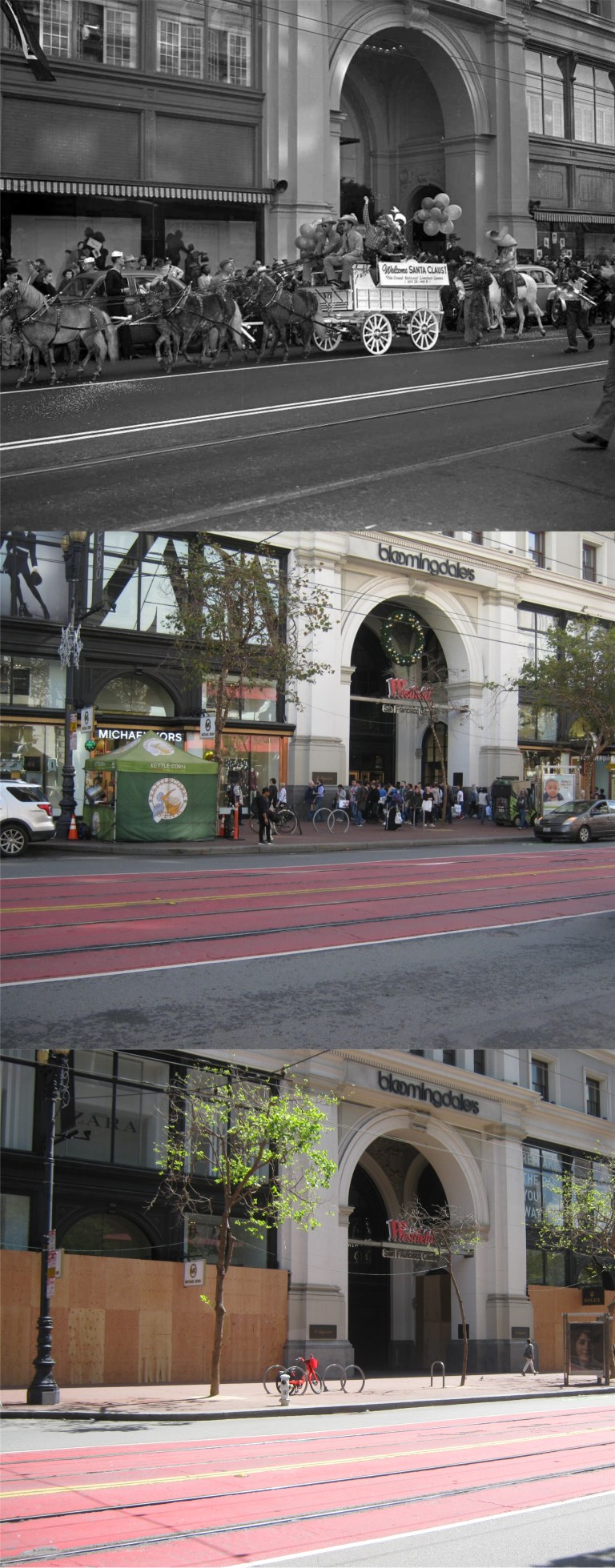 Another photo from the San Francisco Chronicle in front of the Old Emporium Store taken in 1949: My picture in the center was taken on “Black Friday” in November of 2017. Many of the closed businesses along Market Street, like Bloomingdale’s where the old Emporium was, are boarding up their windows during the shelter-in-place order still in effect.
 This August 14th will be the 75th anniversary of VJ Day when Japan surrendered ending World War Two. The top picture is vintage film footage from C. R. Skinner on Market Street at 7th looking east as San Francisco celebrates the end of the war. A tremendous crowd in the background where the streetcars have stopped is surging up toward the cameraman. Also in the background, the Flood Building on the left of Market Street, and the crowned Humboldt Bank Building across Market Street on the right can be seen in all three photos. A million on Market Street was the estimated crowd gathered to celebrate the parade for the San Francisco Giants first World Series victory on November 3rd 2010 when I took my comparison picture in the middle. Although not as important as the end of World War Two, I waited most of my life to see this and I wasn’t going to miss it.
 I had that song stuck in my head when I went over to SF yesterday. I heard that they may be discouraging people from going to Ocean Beach during the pandemic, but there isn’t any problem; people are practicing social distancing, and there were plenty of social distancing police on hand to make sure they behaved.
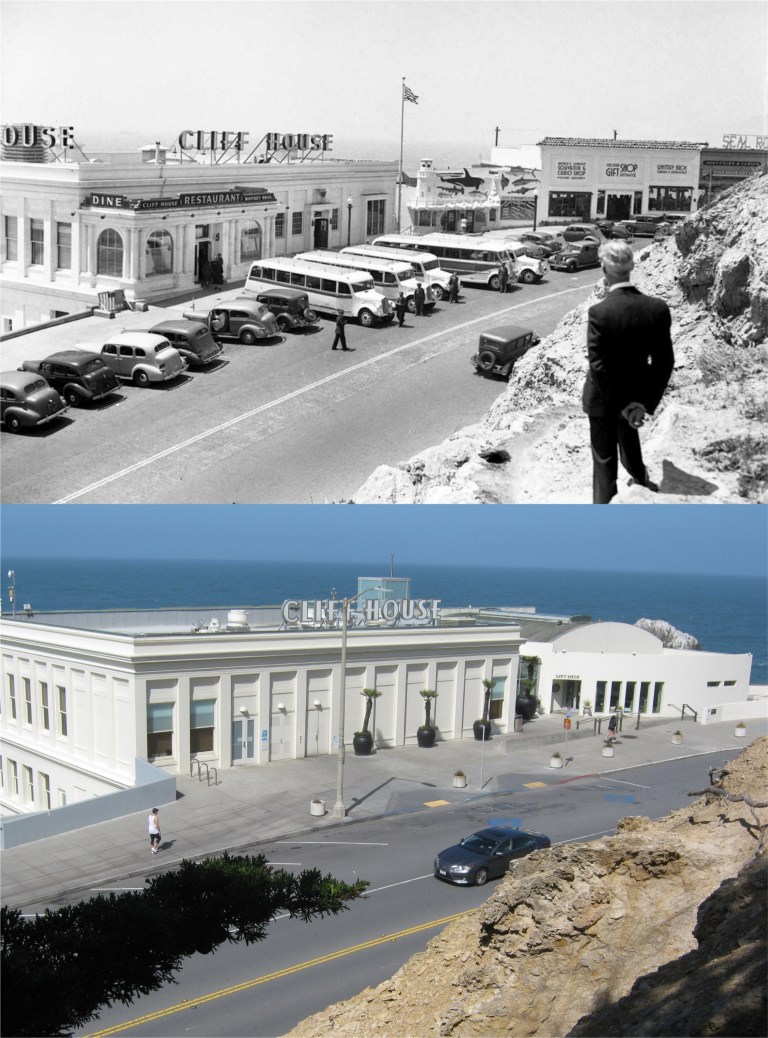 A stranger on the shore on Sutro Heights above the Cliff House: (Pinterest and ebay)
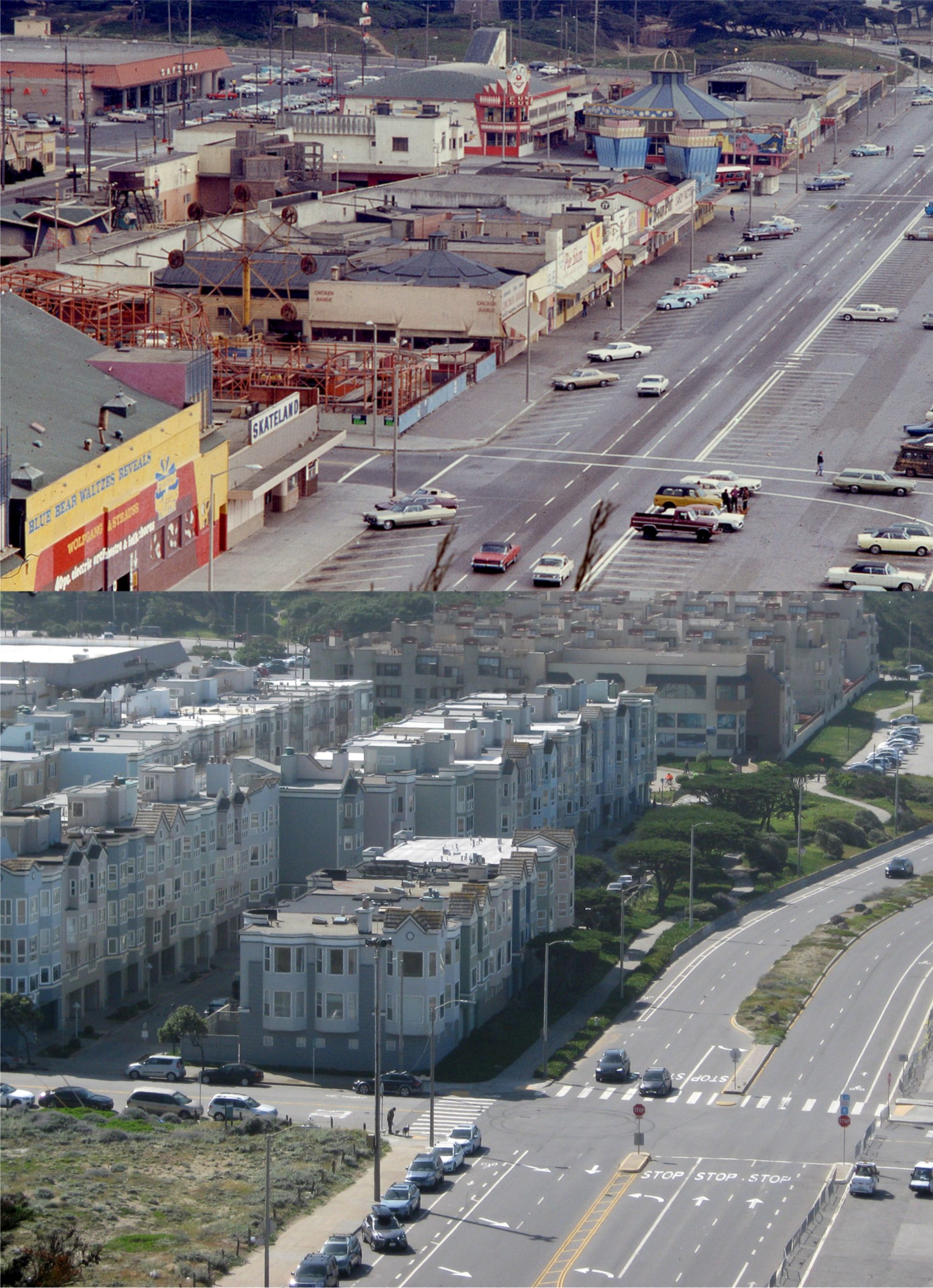
 A view of Playland-at-the-Beach from Sutro Heights in the 1970s near the end of its run: You can see the Funhouse and Merry-go-round in the upper right. The new then Safeway in the upper left is still there. (mksgrist.wix.com)
 Looking down Point Lobos Road past the Cliff House and Sutr0 Heights toward Ocean Beach in the 1940s: (Pinterest)
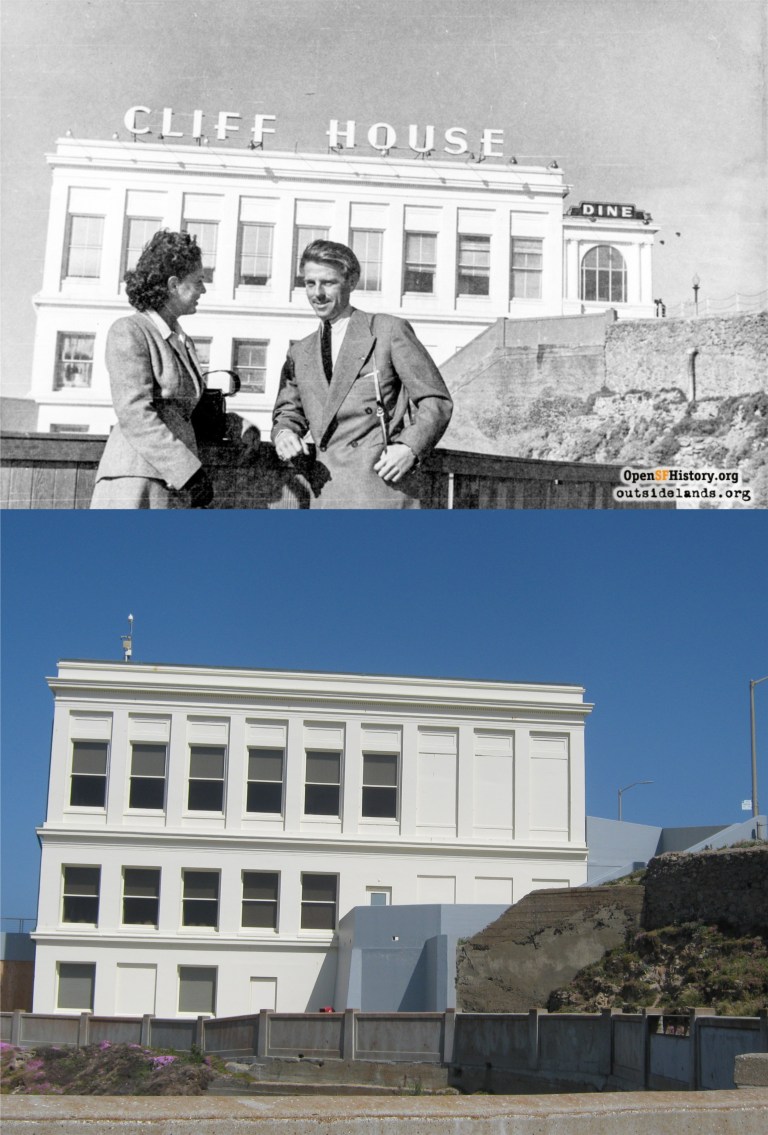 Two strangers on the shore, Although maybe not to each other, at the Cliff House in the 1940s: (opensfhistory and outsidelands.org))
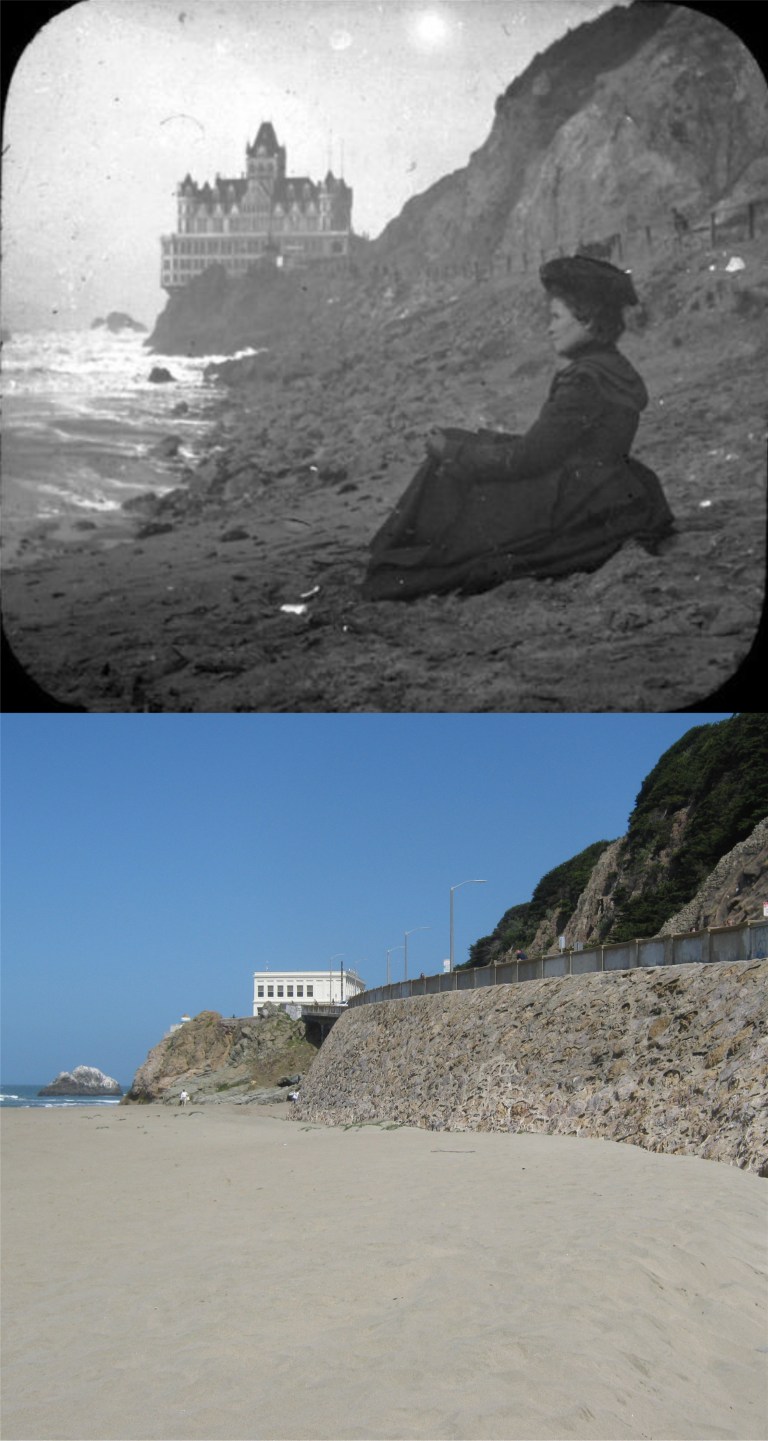 A Victorian stranger on the shore: (Vintage photography)
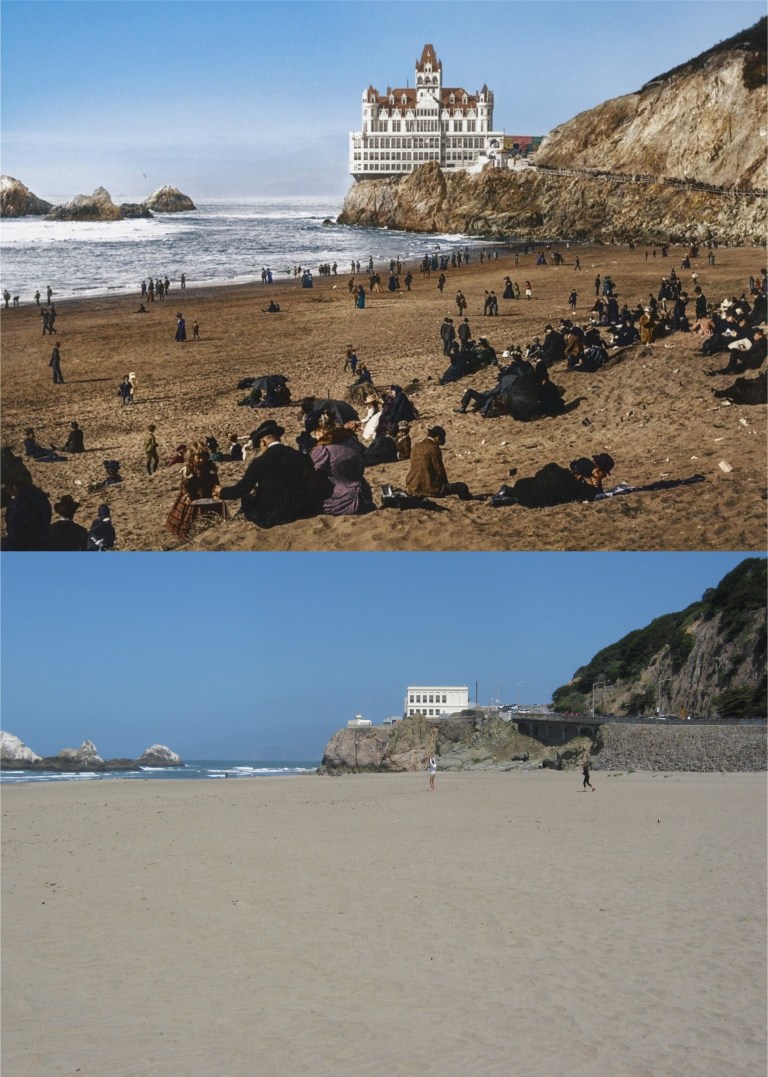 A great colorized picture of Ocean Beach circa 1900: It may be gloomy thinking, but it’s possible that some of the people in the vintage photo died during the Spanish Flu Pandemic of 1918-1919. At any rate, they’re all gone now. (Reddit colorized by Jordan Lloyd)
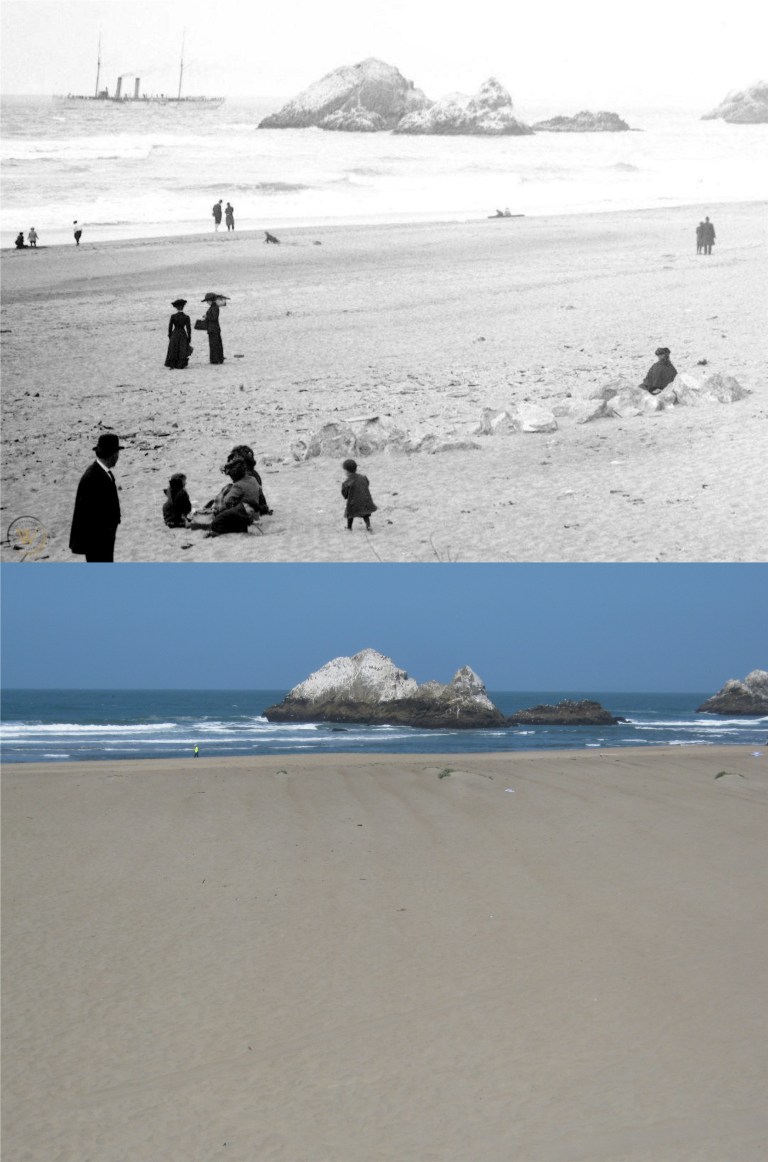 Families on Ocean Beach with Seal Rocks in the background in the late 1800s:(Worthpoint.com)
 So 1970s! They removed the steps on the seawall by the 1980s. (Pinterest and ebay)
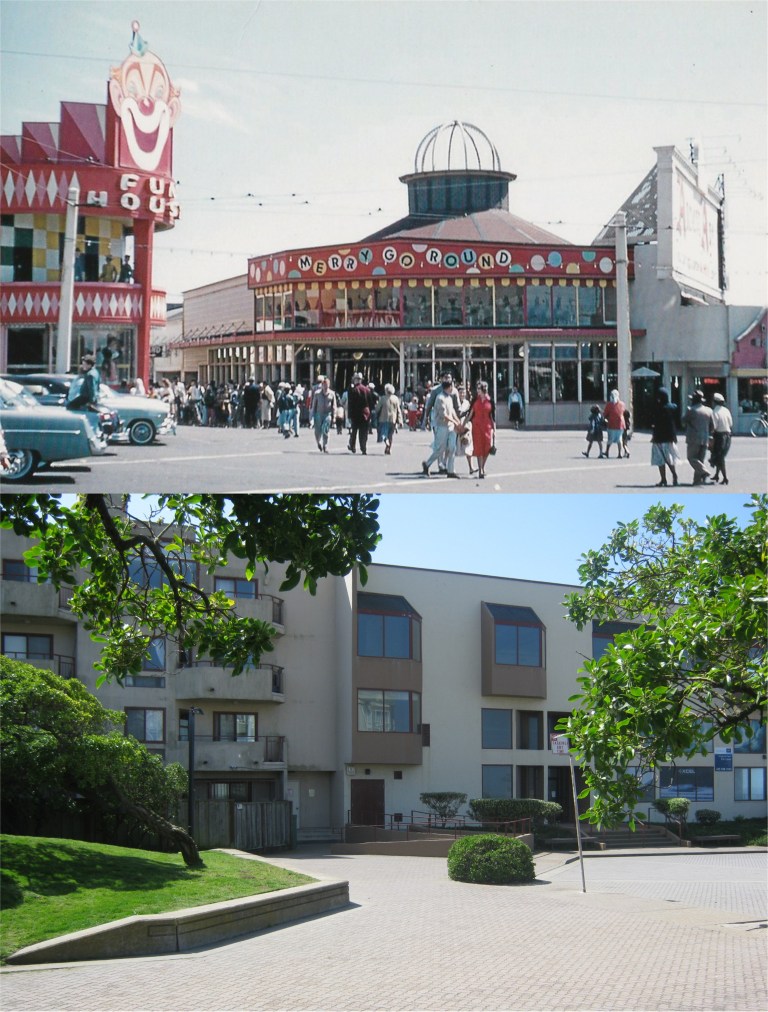 For those who remember Playland-at-the-Beach, and I do, the Funhouse was on the left behind where the grass embankment is now, the merry-go-round was in the center where the condo is. (Flickr)
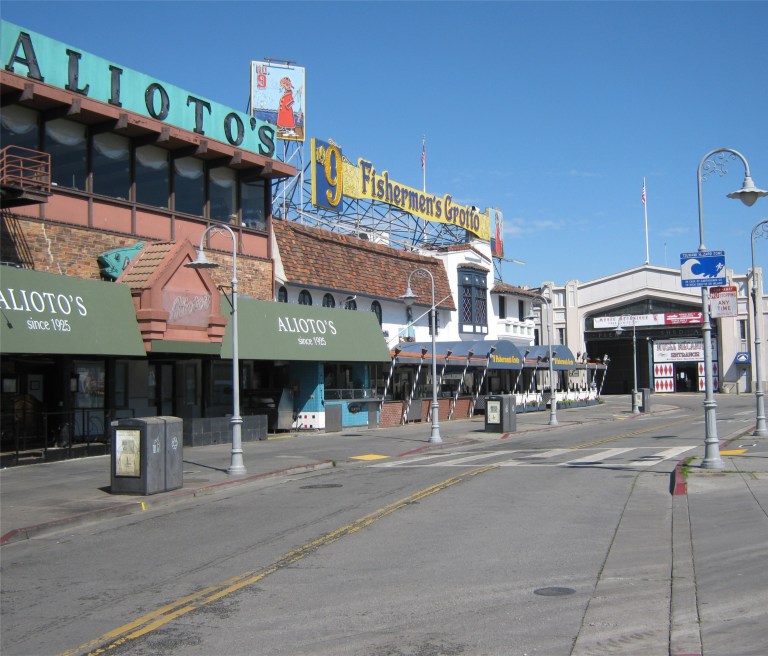 Looking down the end of Taylor Street toward Pier 45 in 1975: (Peter Stratmoen)
 Looking toward the #9 Fishermen’s Grotto Restaurant in 1960: (opensfhistory.org)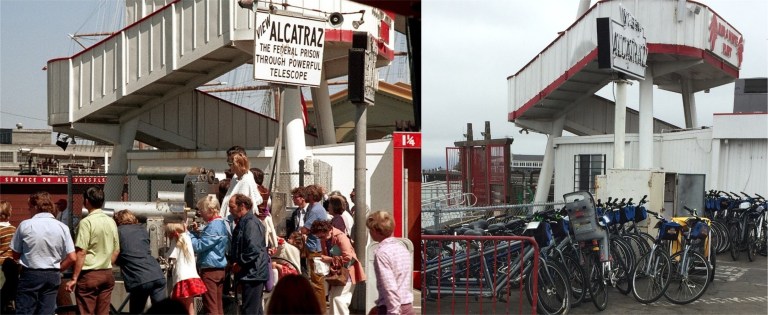
 Tourists viewing Alcatraz Island through telescopes near Pier 43 ½ in the 1970s: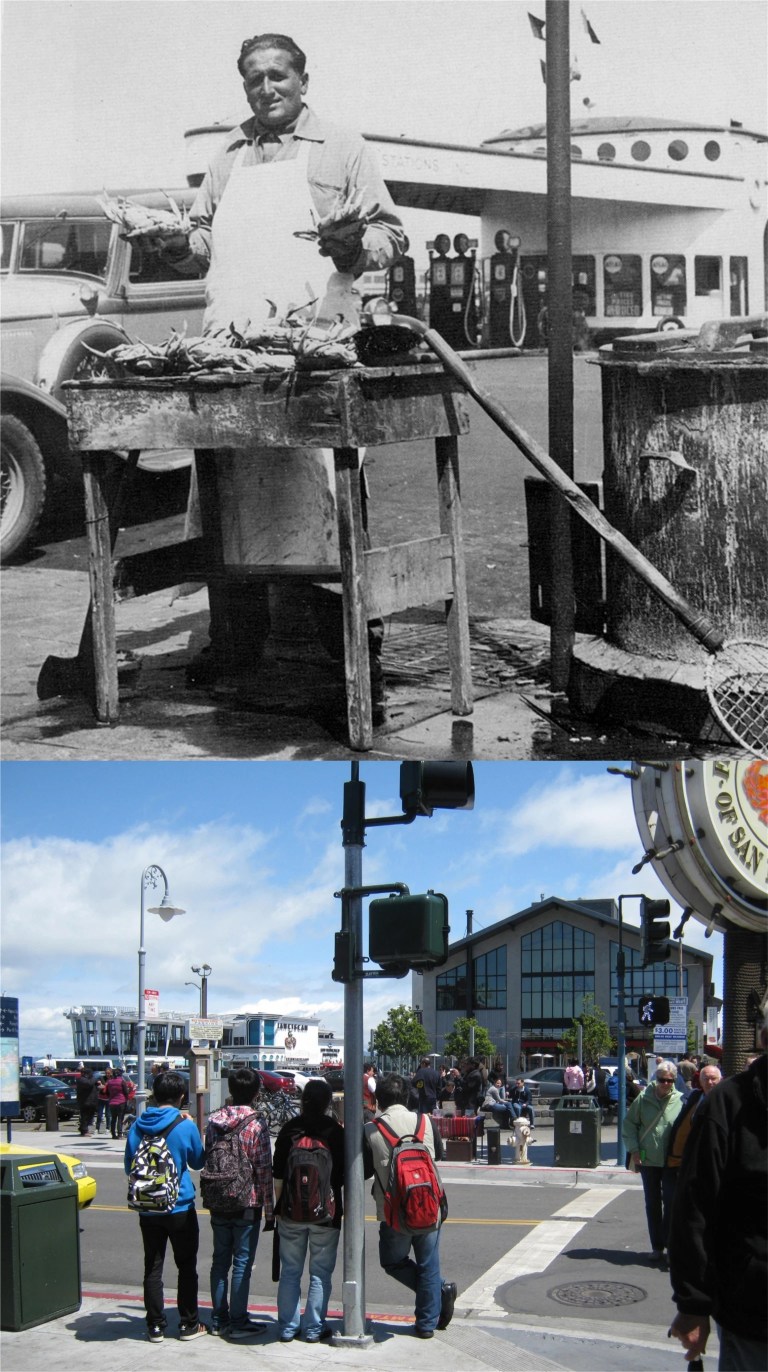
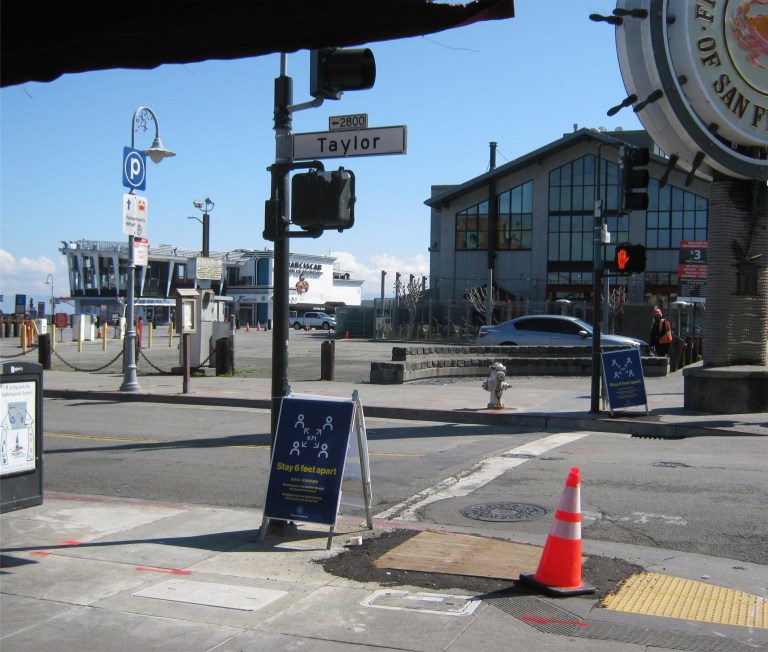 Looking east from the northwest corner of Jefferson and Taylor Streets in the 1930s: The gas station across Taylor Street that was still there until the 1970s was originally designed to look like a ship. (National Maritime Museum at San Francisco)
 WACs and soldiers working up an appetite in front of #9 Fishermen’s Grotto, looks like during the 1950s:
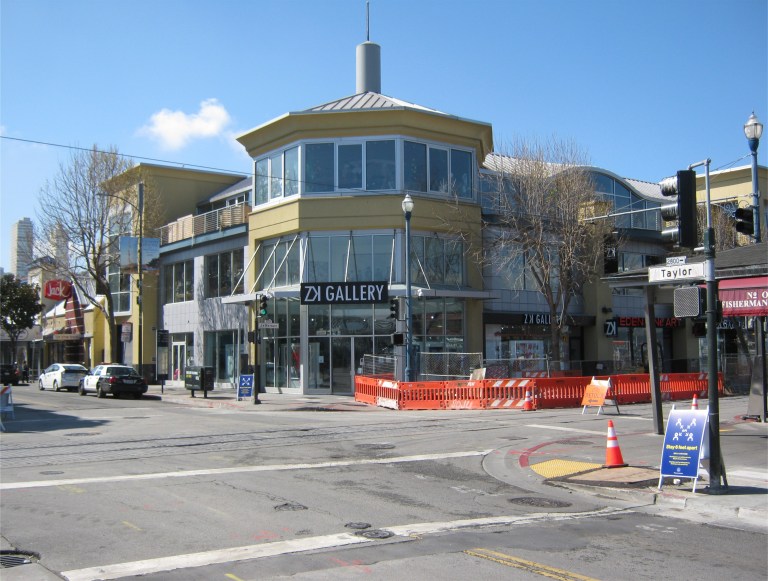 Lee Remick crosses Jefferson Street at Taylor to a taxicab that will take her to Candlestick Park for the denouement of the 1962 film ‘Experiment in Terror’.
 Looking toward Ghirardelli Square from Hyde and Jefferson Streets in 1975 in a Peter Stratmoen photo: Hey, they’ve removed all of the trees that were in the updated picture I did in 2016.
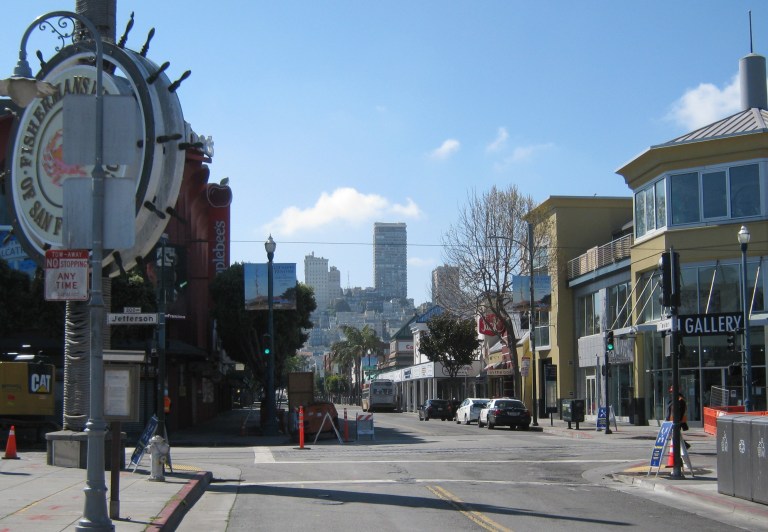 Looking south along Taylor Street across Jefferson in the 1950s; The Wharf was still packed when I did my first update in December of 2018.
 I observe very little “social distancing” at Ocean Beach in 1948. (opensfhistory.org)
 The Cliff House closed up tight and there’s still little parking in front. That’s because the Ocean Beach Parking Lot has been closed off and people are still going to the beach.
 The Beach Chalet on the western edge of Golden Gate Park in 1963; now closed and quiet. (San Francisco Chronicle)
 Alamo looking northeast toward the “Painted Ladies” after the 1906 Earthquake: (Vintage photo from the California Academy of Sciences)
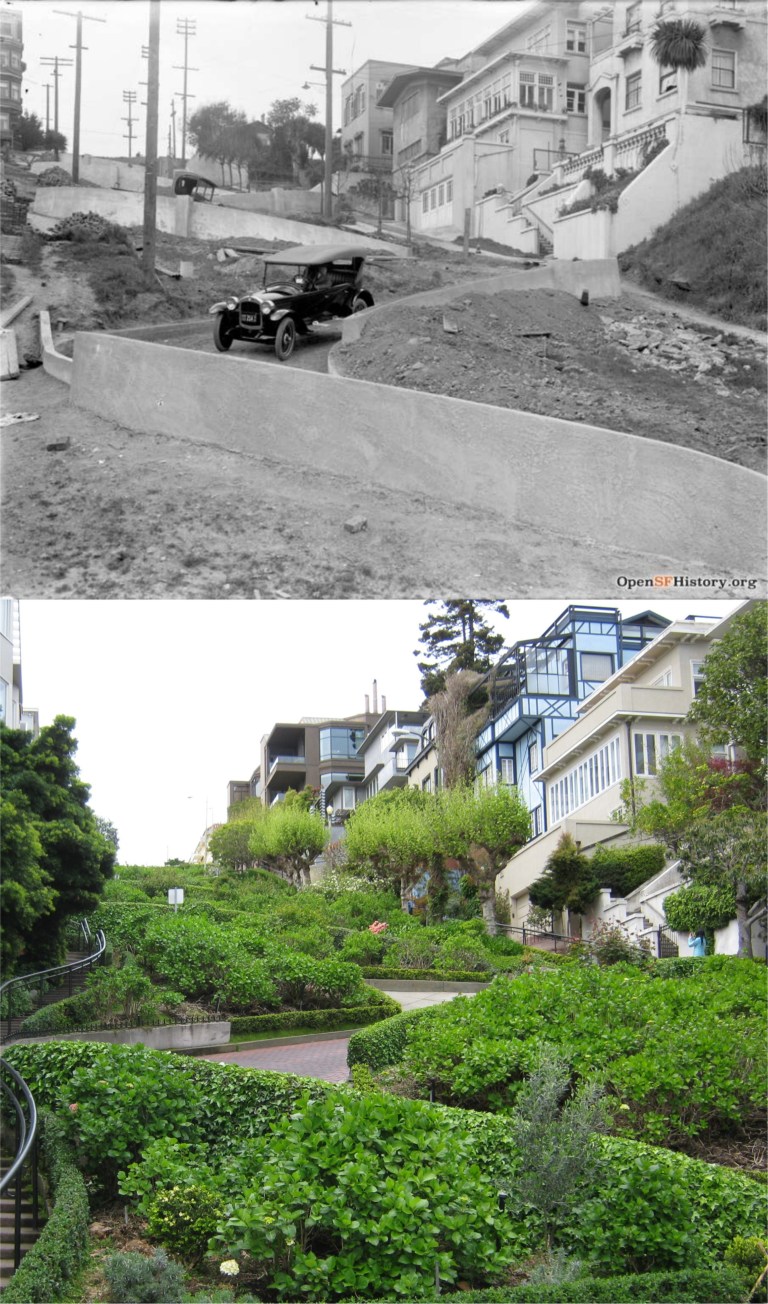 The famous Lombard Street, between Hyde and Leavenworth Streets, is still open to traffic, but there are few cars or people visiting the tourist site. (opensfhistory.org)
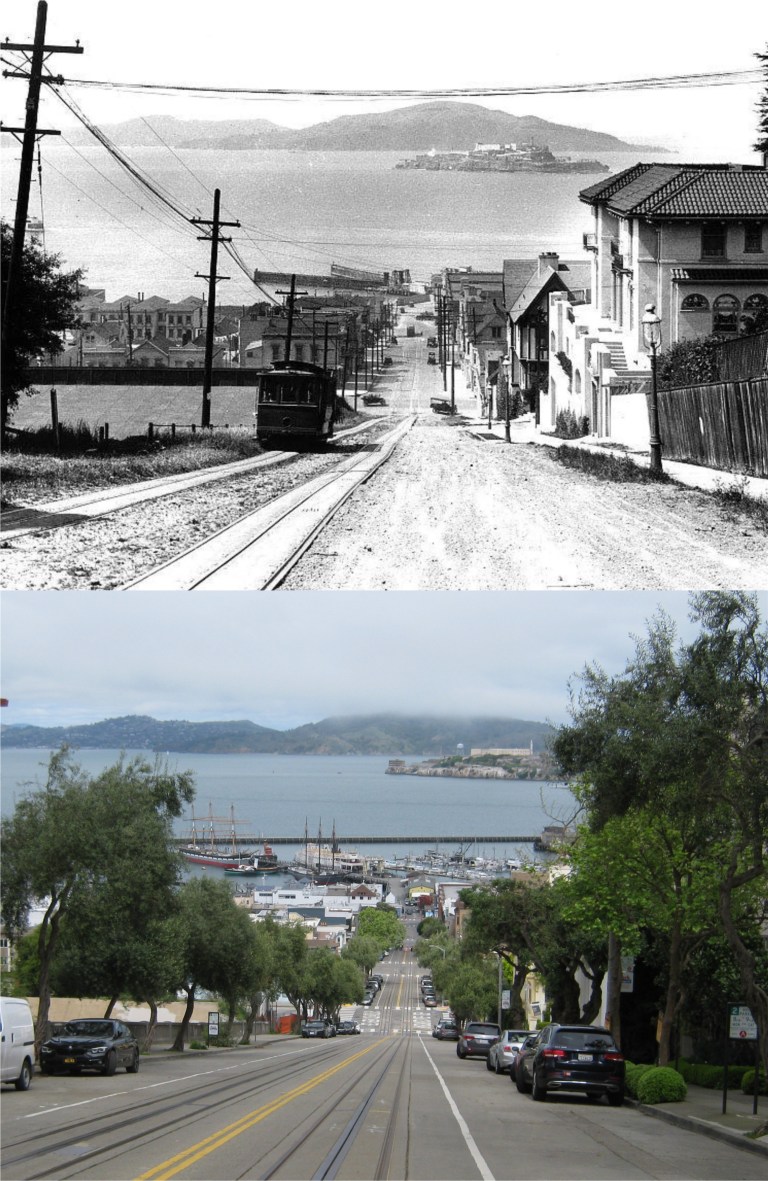 The Hyde Street Gripless! The best portion of the entire cable car system looks even quieter than the old 1920s photo.
 A closed and empty Golden Gate Bridge Promenade last Friday and in June of 1987 with me and some of my family: This area has changed a lot since then.
 Looking down Geary Blvd past Lotta’s Fountain during the 1930s: Lotta’s Fountain was not only taller then, but it was in a slightly different spot at the intersections of Geary Blvd, Kearny and Market Streets. The fountain was moved back to its original location in 1999.
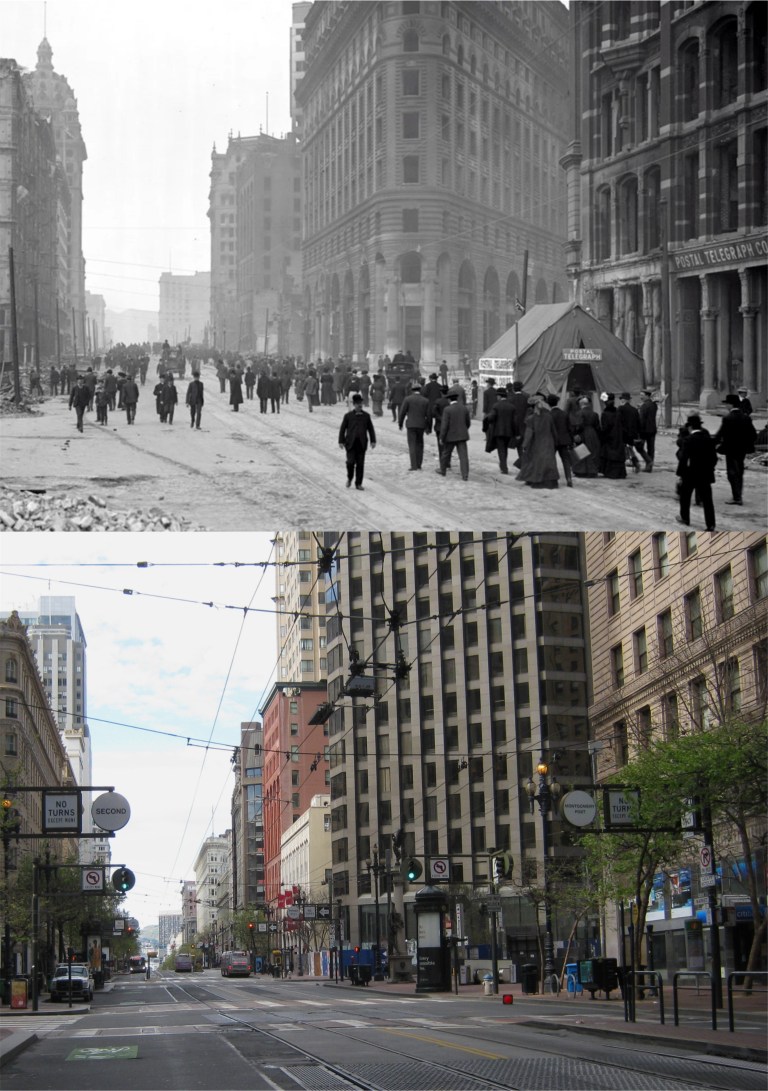 Looking west on Market Street at Montgomery Street after the San Francisco Earthquake of 1906: You can see the old and new Palace Hotels and the Call Building on the left in both pictures. (San Francisco History Center)
 A parade on Market Street at 4th St in the 1920s: The crowned Call Building, today’s Central Tower, is in the background of both pictures. The thin Humboldt Building is on the right in both pictures.
 Market Street at Grant Avenue in the 1940s: An American Werewolf in San Francisco!
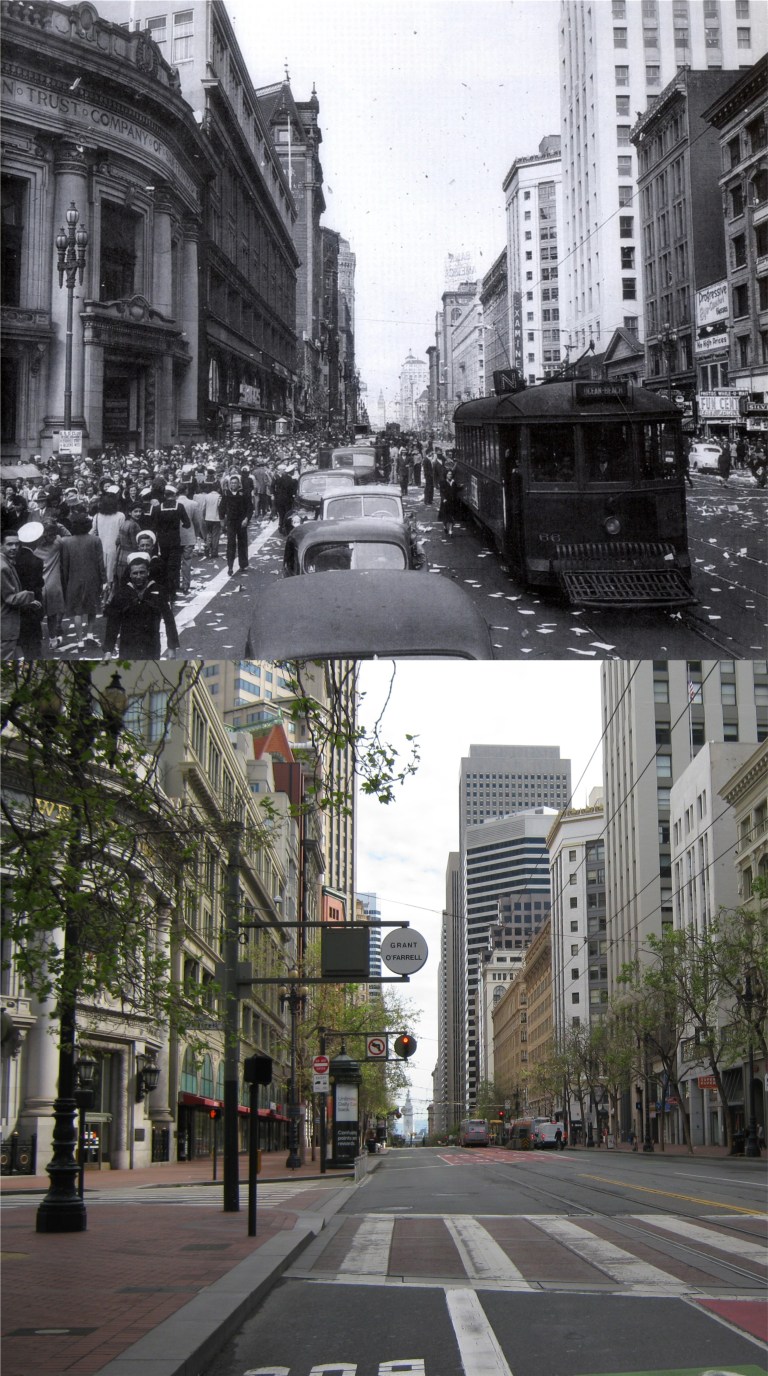 VJ Day, celebrating the end of World War Two, at Grant Avenue and Market Street in August of 1945: (Vintage picture from the San Francisco History Center)
 Market Street, across from the old Emporium Department store, during the 1930s: I saw several incidents of police having to deal with the street people during yesterday’s walk.
 Powell Street Looking across Market Street toward the Emporium in 1971: The Flood Building is on the left in both pictures.
 The cable car turnaround looking north on Powell Street in the 1950s: (Vintage Everyday)
 A protest March on Market Street at 5th looking toward the old Flood Building in 1966: (The Shorpy Archive)
 Broadway at Columbus Avenue:
 Grant Avenue, North Beach: Even the Live Worms Shop was closed! (Whatever that is)
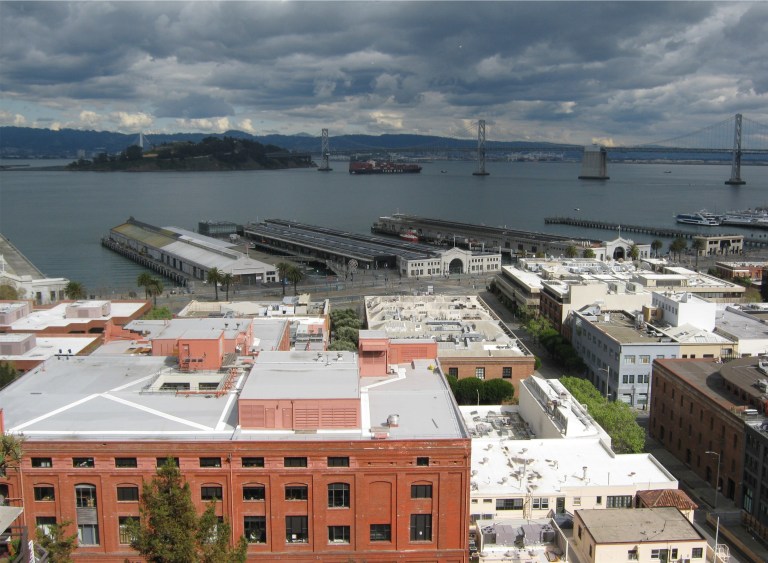 The silence even reaches up to the top of Telegraph Hill.
 No trouble finding parking at a closed and quiet Coit Tower.
 Looking down Montgomery Street from Telegraph Hill:
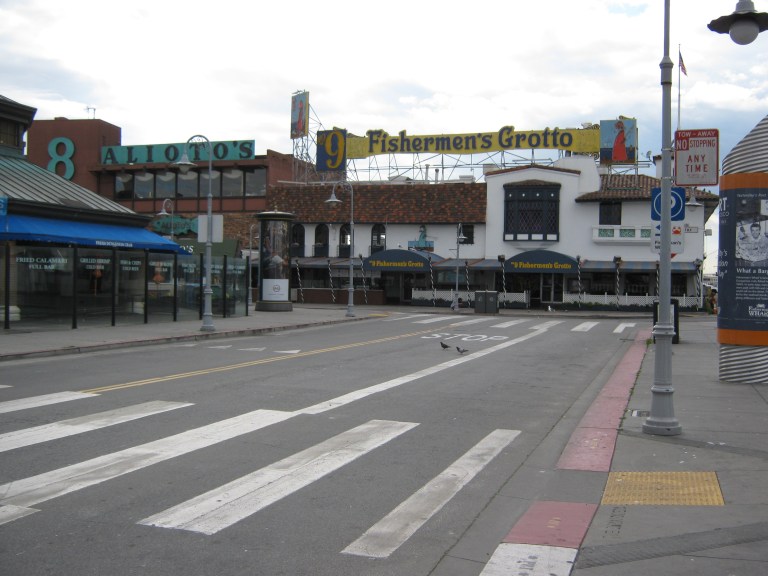 Fisherman’s Wharf, as dead as Elvis is:
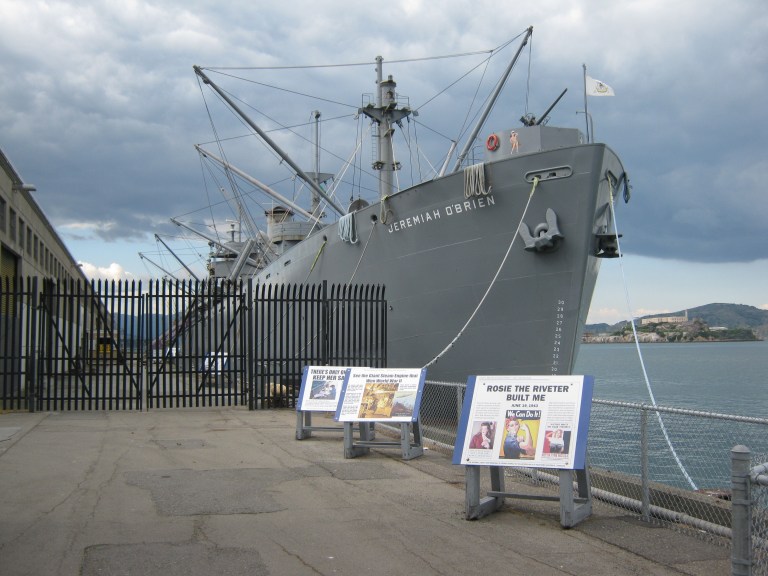 The Liberty Ship Jeremiah O’Brien tucked in for the duration: If she could talk she’d probably say, “I braved Nazi submarines in the Atlantic Ocean, I’m not afraid of a little bug!”
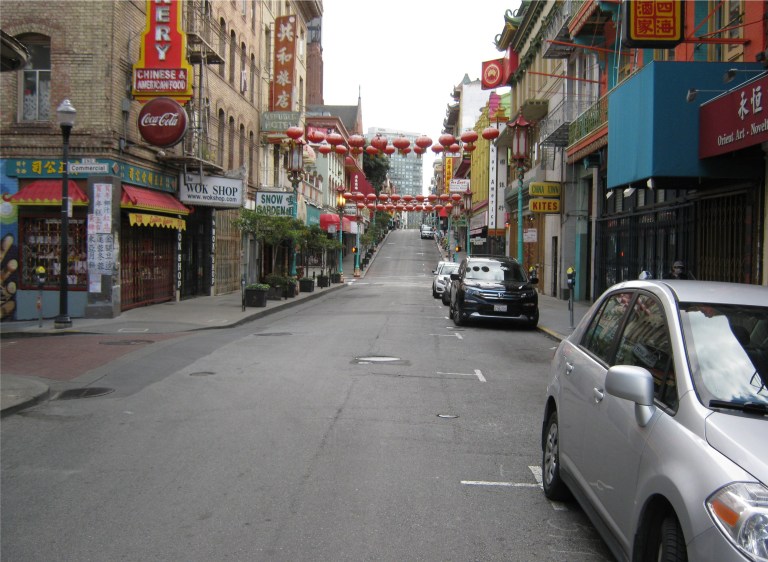 A spooky and empty Chinatown: The crowds have all gone home.
 A cable car heading up Powell Street in the 1950’s: (The Charles Cushman Collection)
 As I mentioned there was a noisy and fun-to-watch festival happening on Grant Avenue at Jackson Street when I got there.
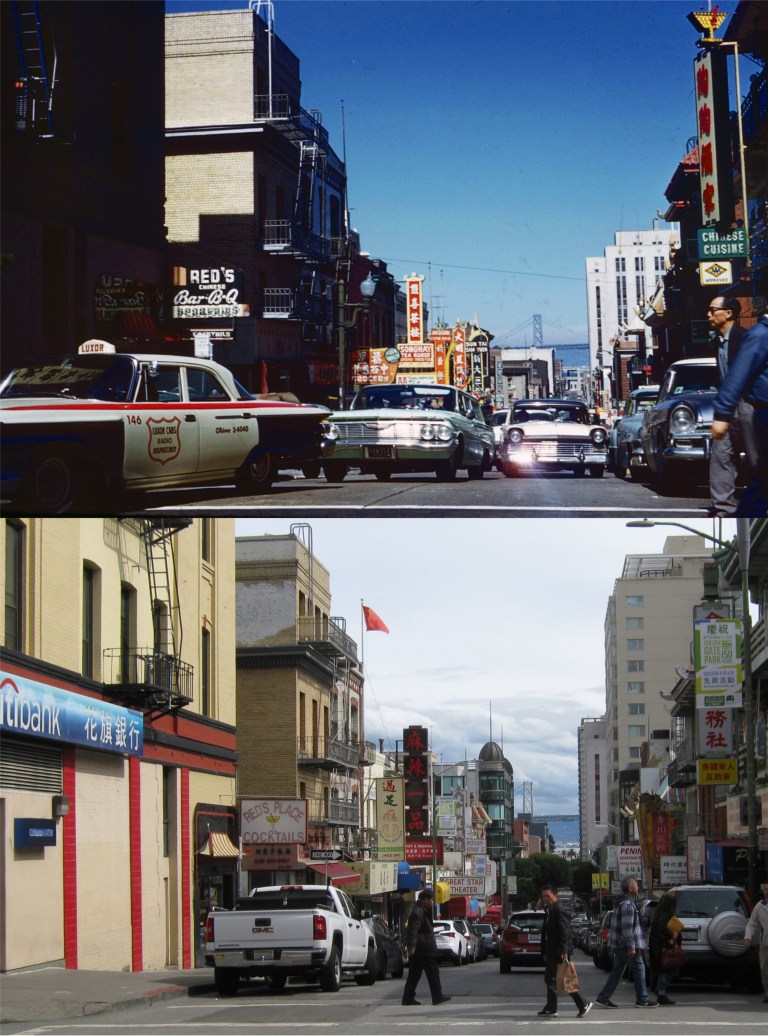 Grant Avenue and Jackson Street in the early 1960s: It was in an old hotel at this intersection that the first victim of the 1900 plague died. (The San Francisco Pictures Blog)
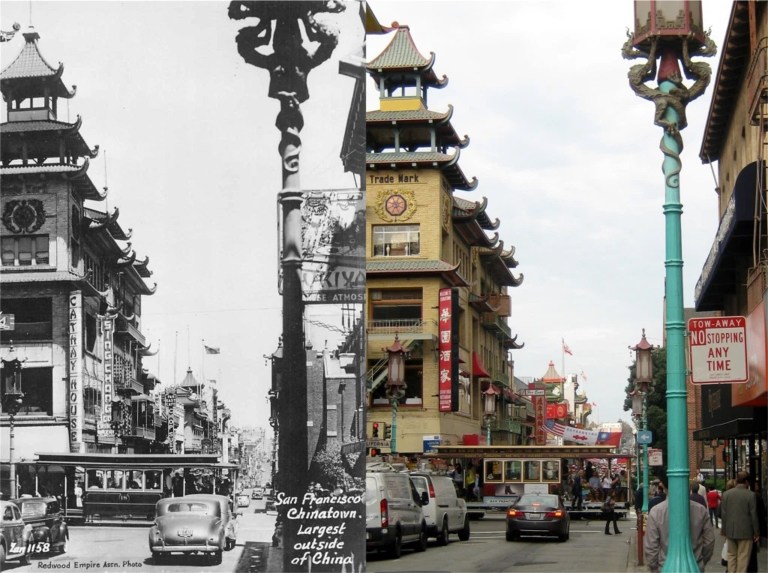 Grant Avenue and California Street looking north in the 1940s:
 Looking southeast on Grant Avenue and California Street at passengers boarding a cable car in the 1950s: (The San Francisco Pictures Blog)
 The old Shanghai Low Restaurant on Grant Ave between California and Pine Streets in the 1960s: (The San Francisco Pictures Blog)
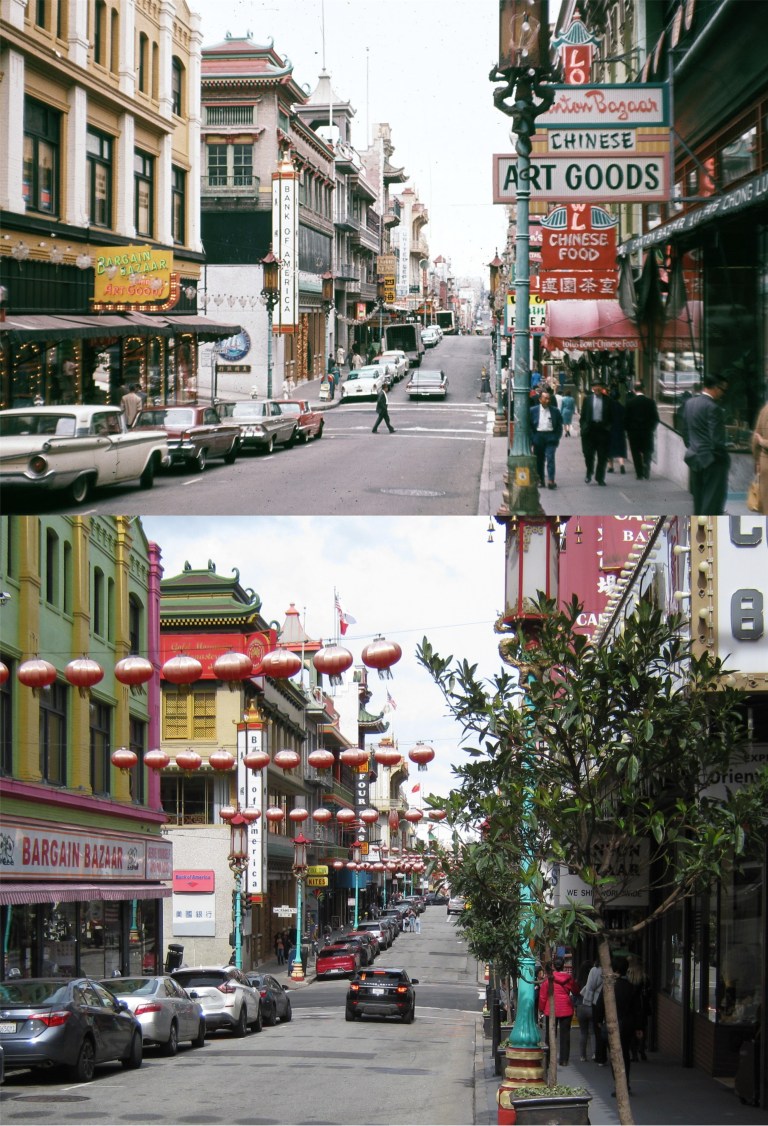 Grant Avenue looking north as it approaches Sacramento Street in the 1960s: (The San Francisco Pictures Blog)
 The Chinese New Year Parade on Grant Avenue at Sacramento Street in the 1940s and the last time I attended the parade in 2017. It was reported that the crowd of parade watchers was considerably lower in February of 2020. I didn’t go this year, either; not because of the coronavirus, but because I’ve “been there, done that” too.
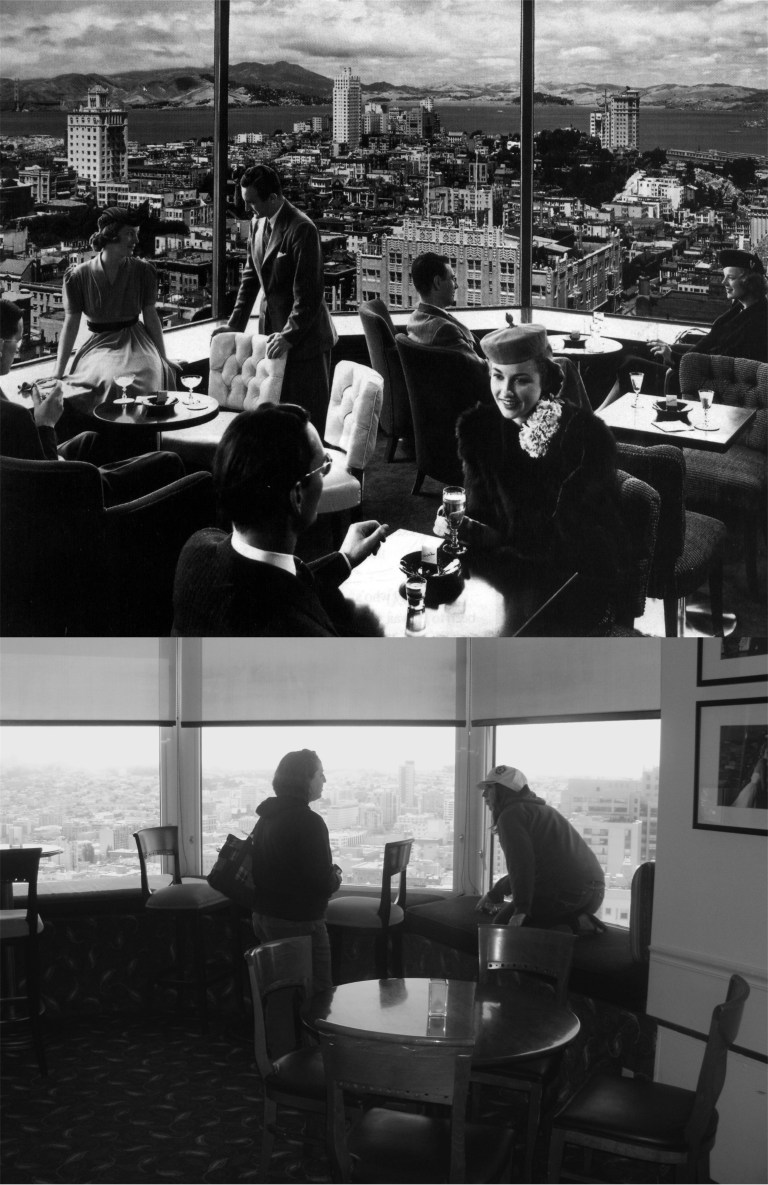 The northwest corner at the Top of the Mark, “Weeper’s Corner”, looks like the 1940’s or early 1950’s: “Weeper’s Corner” got its nickname during World War Two when mothers, wives and sweethearts sat in this corner watching their loved ones sail off to the Pacific Theater of the war. The Top of the Mark is still a special place to take a break; visitors are no longer required to dress up to come up here, and as far as I know, weeping in this corner is still allowed.
 The old Redwood Room at the Clift Hotel, seen here in the 1950s, is another historic place to relax with a cold one and try to forget about all of the money you’re spending on your visit to San Francisco. (hippostcard.com)
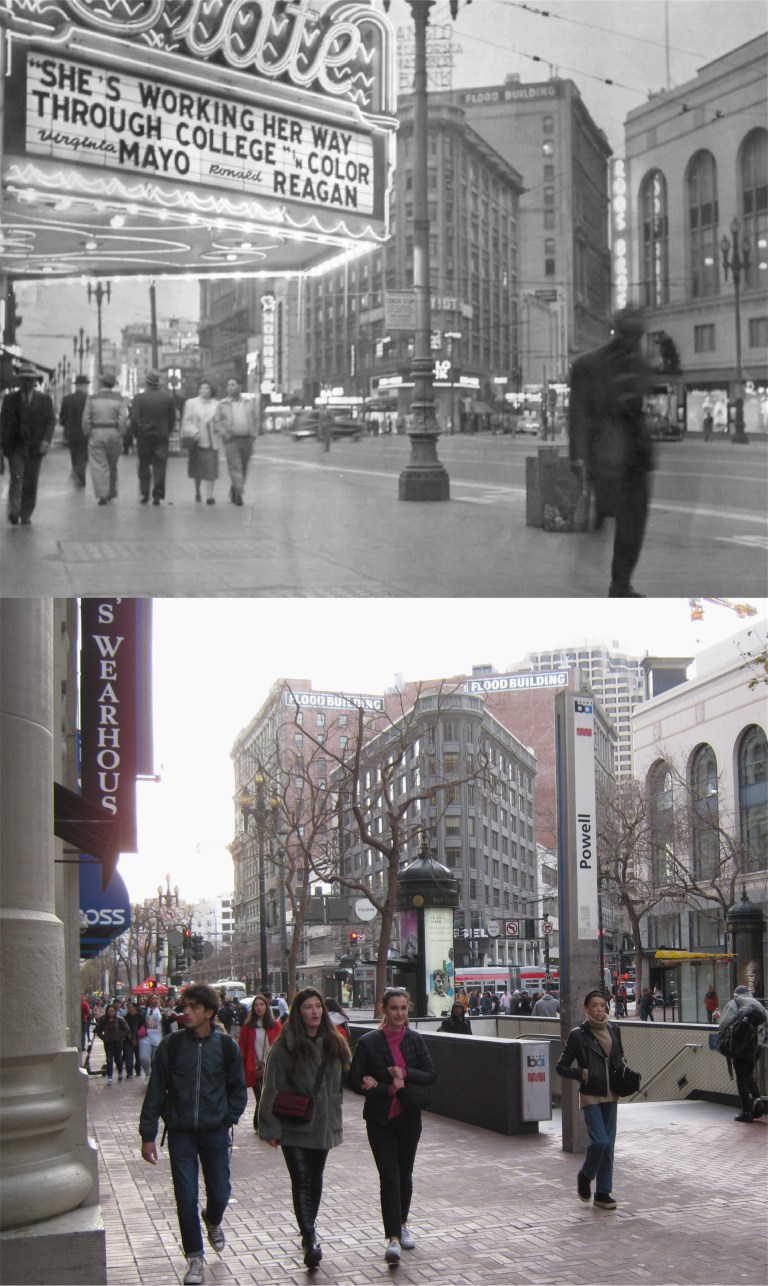 Checking out a flick on Market Street to get away from it all, like here at the State Theater at 4th and Market Streets in 1952, isn’t going to work anymore; all of the theaters in this area have been demolished. (tumblr.com)
 Now, if you really want to make it a special afternoon, lunch in the Garden Court of the Palace Hotel is one of the best ideas for a breather; although, sometimes it’s prettier and cheaper just to sneak upstairs and take a picture of the hotel court. (ebay)
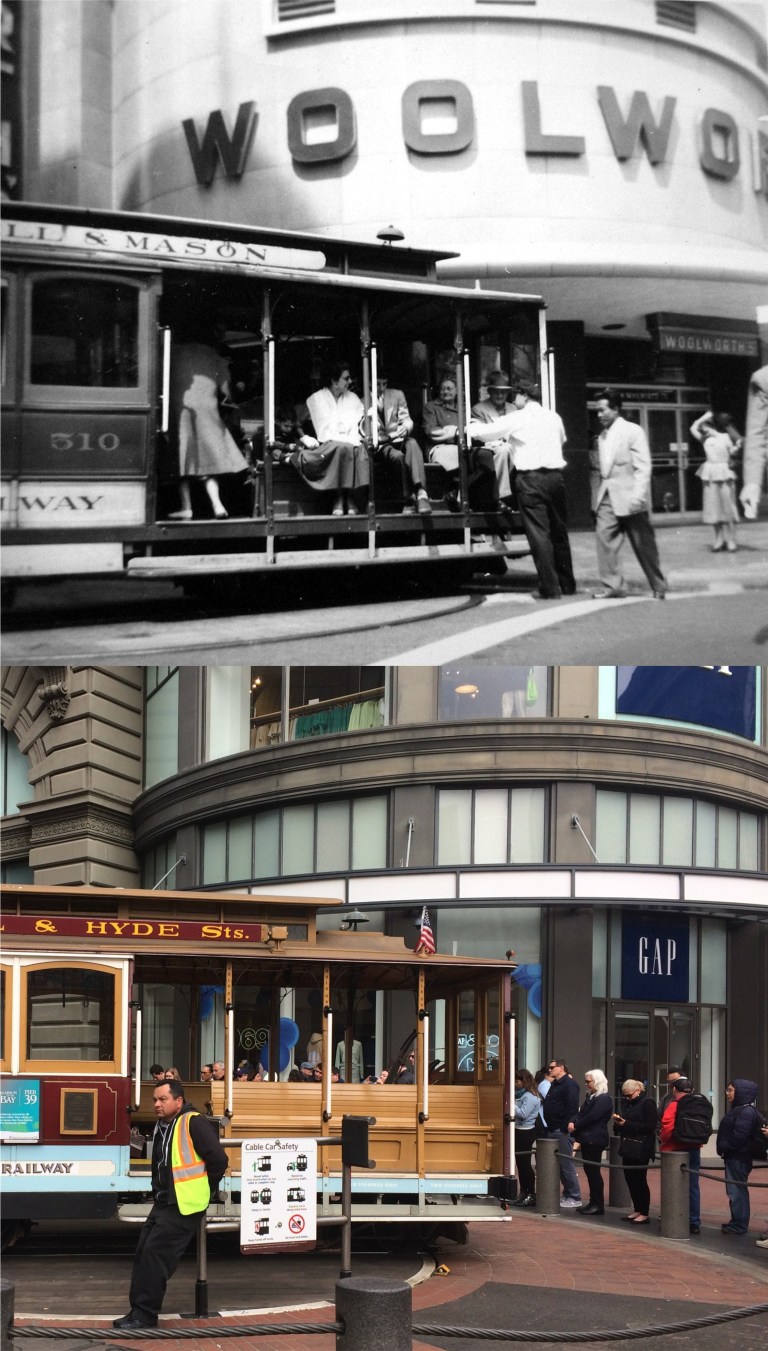 A relaxing cable car ride at Powell and Market Streets might bring the energy back to your feet, but the problem is that the wait standing in the long line to catch a car can sometimes be longer than the walk you took around San Francisco.
 Hotels like the Fairmont, St. Francis, and here at the Sir Francis Drake lobby, seen here in 1928 in the vintage picture, usually don’t mind visitors sitting awhile to relax in their lobbies. Sometimes, they even encourage people to stop and browse on occasions like holidays. (North Point Press)
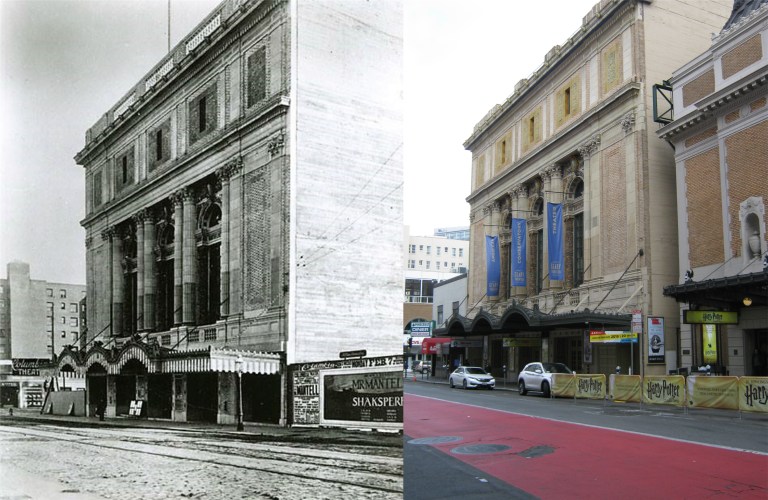 And if you need a long rest, you can catch a play at the Geary Theater on Geary St.. near Mason Street, seen here in 1910, the year the theater opened. The Curran Theater, west of the Geary Theater, had not been built yet in the vintage picture. (San Francisco Theaters / blogspot.com)
 The Geary and Curran Theaters looking west in 1958: Notice what was playing at the Curran Theater. (blogspot.com)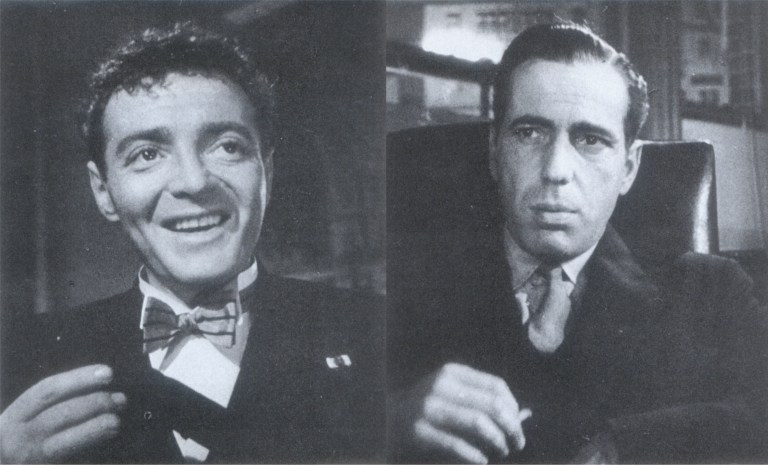
 I’ll pause for five seconds while movie buffs spot what’s going on here….. Joel Cairo (Peter Lorre) in attempting to search the office of Sam Spade (Humphrey Bogart) in the 1941 film ‘The Maltese Falcon’ is knocked out by Spade. In searching through the pockets of the unconscious Cairo, Spade finds, among other things, that Joel will be attending a play that evening at the Geary Theater. This was where Cairo was planning on being that night in the novel by Dashiell Hammett, as well. (Flare Books / Richard Anobile)
 Executive Order Number 9066, signed by Franklin D. Roosevelt on February 19th, 1942, forced Japanese citizens on the West Coast to leave their homes and businesses for internment after Pearl Harbor in fear that some may create acts of sabotage in support of Japan’s military machine. The Japanese owners of this business on Grant Avenue south of Pine Street in Chinatown, (there were several Japanese owned businesses on Grant Avenue between California and Bush Streets in 1942) are selling off as much of their inventory as possible before being relocated. Ironically, their shop was the one with the green BLOWOUT SALE sign in the window behind the California flag in my update.
 South of the Ferry Building, around 1984: I was standing in the shadow of the Embarcadero Freeway. Looks like I got here close to the same time as I did thirty six years ago. They’re doing some work on the south wing of the Ferry Building lately, but I haven’t had a chance to find out what that’s all about yet.
 The Embarcadero just south of Levi Plaza around 1985: Although the old Belt Line Trains were long gone by then, the tracks still ran down the Embarcadero all the way to China Basin. The Embarcadero Freeway, where it stopped at Broadway, is in the center. One of the buildings the Exploratorium is housed in now is on the far left.
 Pier 33, on the left, on a rainy day: I’m not sure when I took this picture; some of those cars look newer than the 1980’s. Might have been in the 1990’s; neither one of those decades seems that long ago to me! I remember the Peer Inn Restaurant, though; it was where the restaurant with the pink awning is now.
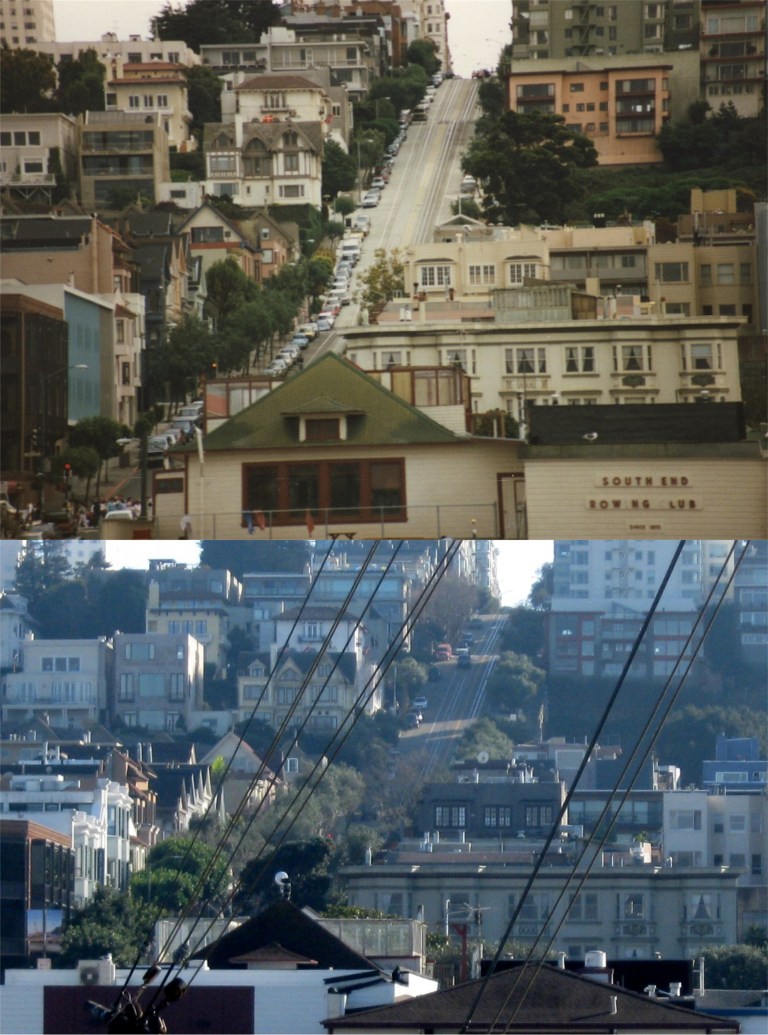 I had to do a little detective work to locate where I took these two photos. They were taken around 1985. I wasn’t even sure if I took them on the same day, but Hyde Street coming down Russian Hill in the second picture was my guideline. They were both taken from the second deck of the old ferryboat the Eureka at the Historical Hyde Street Pier. I was able to find the same spot I took my old pictures from on a visit to the Eureka last Saturday; maybe the first time I’ve been on board that old ferryboat since then. The top one, of course, is looking toward Telegraph Hill, the bottom one is Russian Hill, with a close up of Hyde Street where the cable cars plunge down from the top of the hill.
 I took the top picture in 1985; some vistas don’t change much with the passing of time.
 San Francisco Film Locations Then & Now