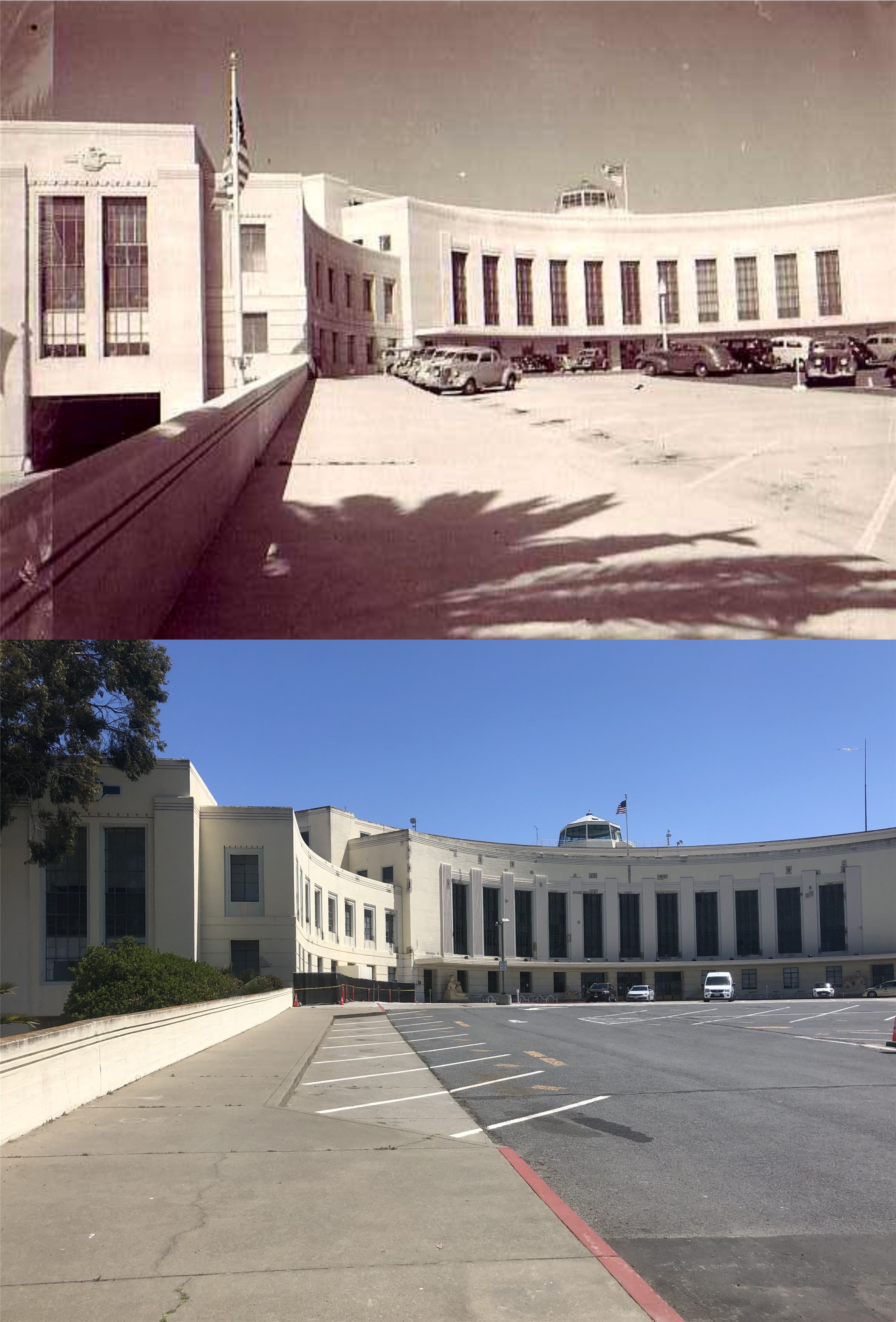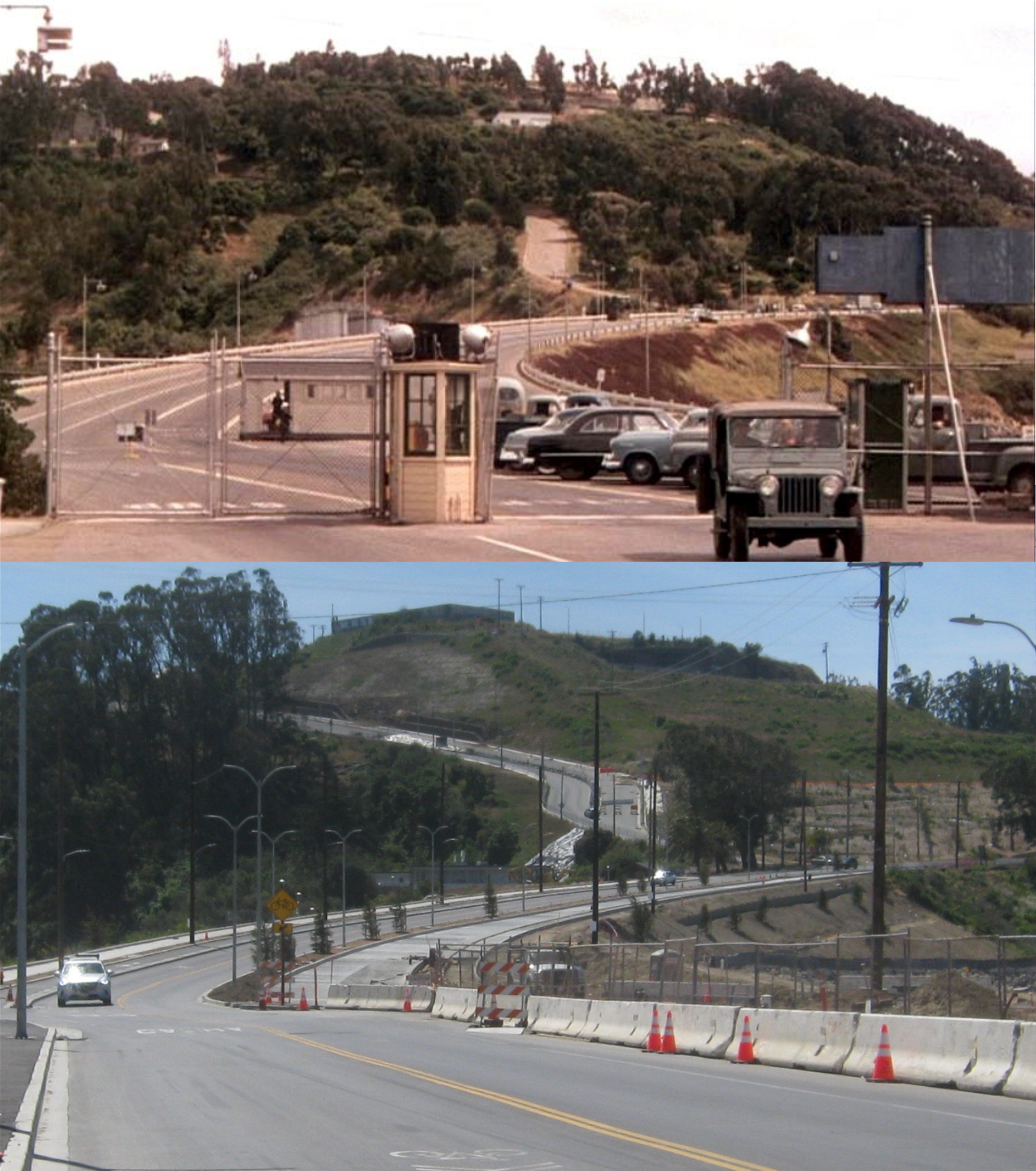
Disneyland in the 1960s

I got a chance to visit Disneyland in the new decade of the 2020s, so I thought I’d update some old pictures taken during the first decade I ever visited Disneyland, the 1960s. Of course, I was so young back then, I can barely remember it. “Yeah, right, Tim!” (Thumbnail images)
 

The first place I always head for is Adventureland because it’s the quickest way to get to the Pirates of the Caribbean and the Haunted Mansion in New Orleans Square. (Travel&Leisure)

Not only has the Sleeping Beauty Castle been remodeled since the 60s, but look at that anorexic Minnie Mouse! I don’t know what that tree is blocking part of the view of the castle now? My friend, Tony, will know. (insider.com)

There isn’t that much “Wild West” in Frontierland anymore. (pendletonUSA.com)

The entrance to Tomorrowland: No, That’s not me in the old photo; even I didn’t dress like that back then. You can still see the People Mover tracks behind that rocket thing today. (CNN)

The Tomorrowland Terrace: Wow, the New Establishment! Just what you’d expect a band from the 1960s to be called. I’ll bet they were terrible! Behind them is the old Carousel of Progress, America Sings Pavilion. (Worthpoint)

Ah, a typical 1962 family at the main entrance to Disneyland. Grandma has gone to that big Disneyland in the sky by now, no doubt. (thisfairytalelife.com)

A labor of love for the Labor Day Weekend

It’s not always as easy as it looks, but it’s not always as hard as it looks either. (Thumbnail images)

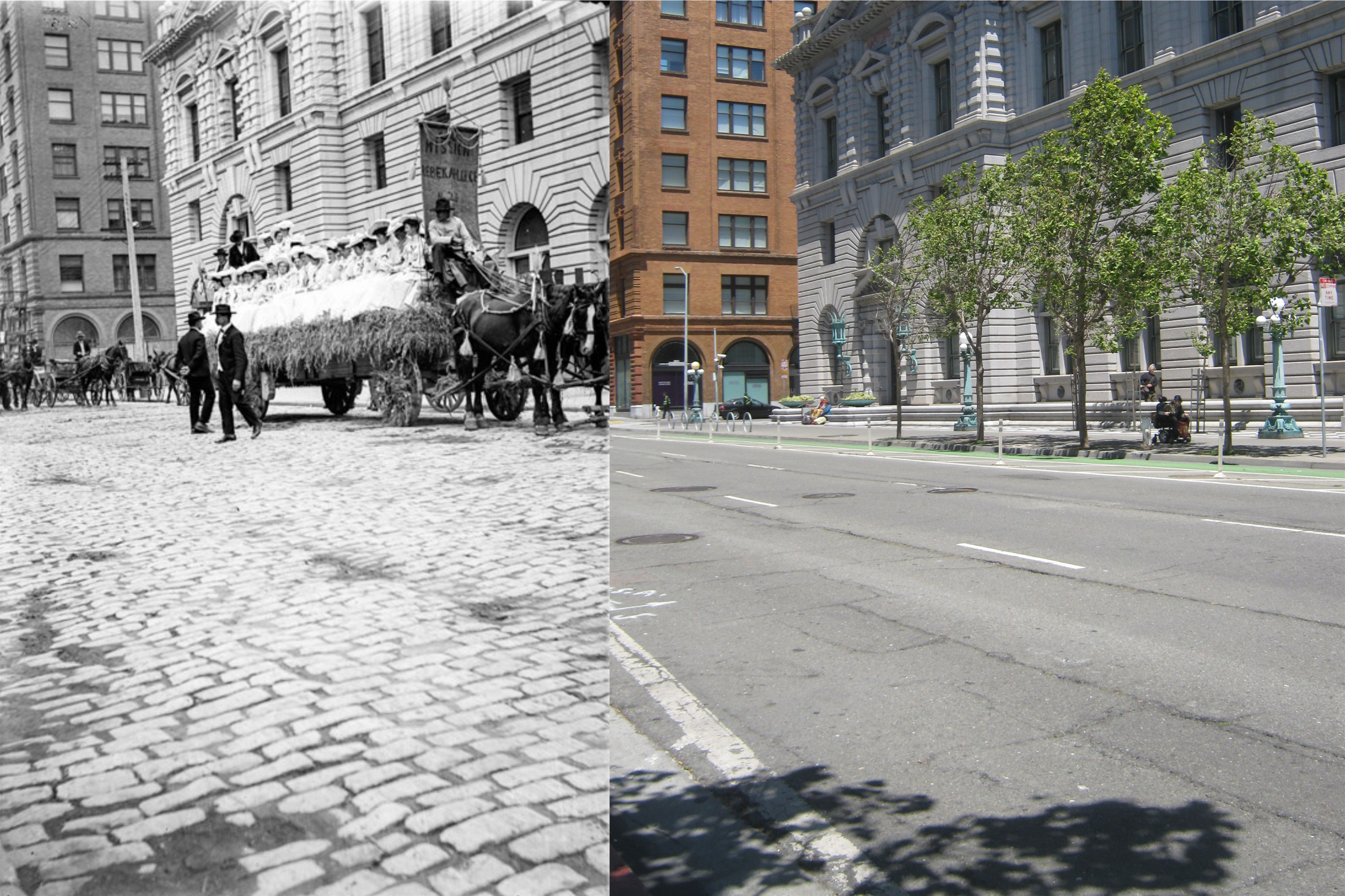
825 Clay Street at Waverly Place in the 1950s: I don’t know if that little guy on the left was imitating a cop or Marlon Brando in ‘The Wild One’. (Phil Palmer)


They have bronze maps of the alleys of Chinatown in many of the alleys, and I spent some of the time exploring most of them. Just follow the bronze footprints. The Golden Gate Fortune Cookie Factory in Ross Alley was business as usual.

A couple of old clunkers on Market Street where Sutter Street comes into it: Well, three old clunkers if you count me. The old picture is from the 1970s. (San Francisco Municipal Railway)


Looking toward what is now the Nordstrom portion of Westfield Centre in the 1960s: There used to be collection of popular stores here long ago. I wonder what Record Ecords was like? (Pinterest)


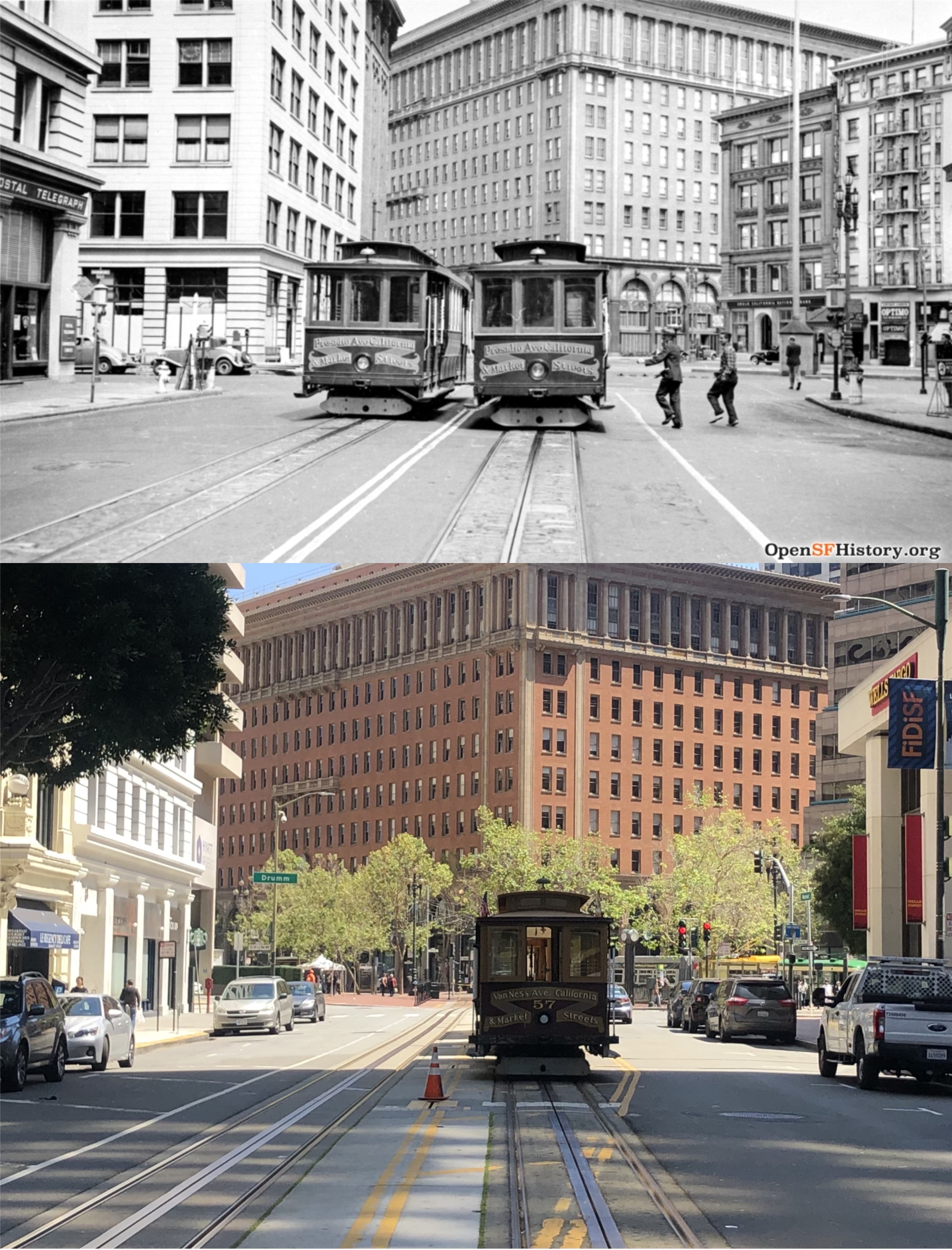
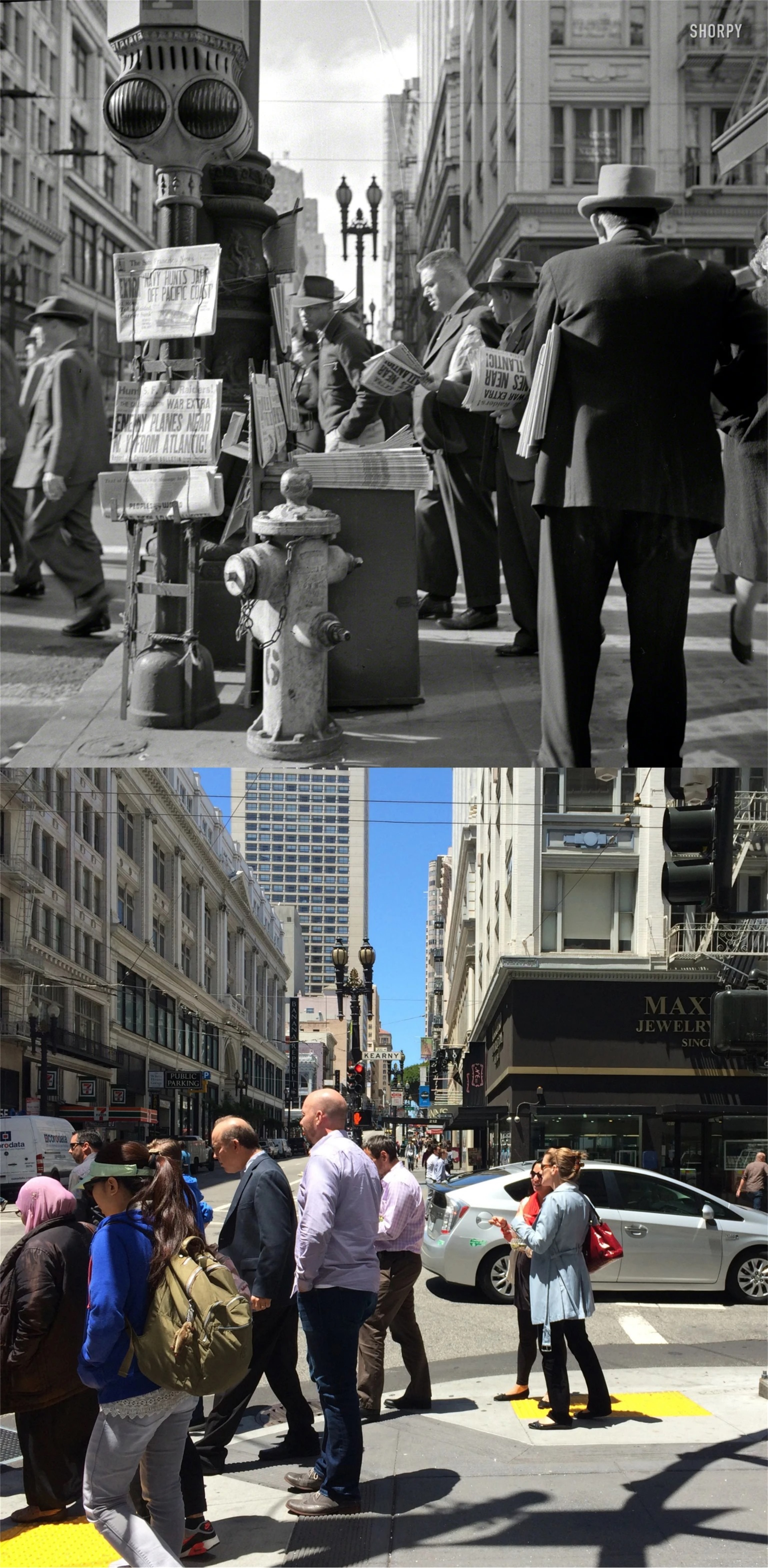
Anson Place and Powell Street in the 1940s:  I had to wait for a cable car, try do get it at about the same spot as the old one, and I got a lucky break with the girl in the Giants jacket walking by when I took my picture. The Giants and Dodgers were locked in a showdown at Giants Stadium over the weekend. The Giants came out on top. (Max Yavno)


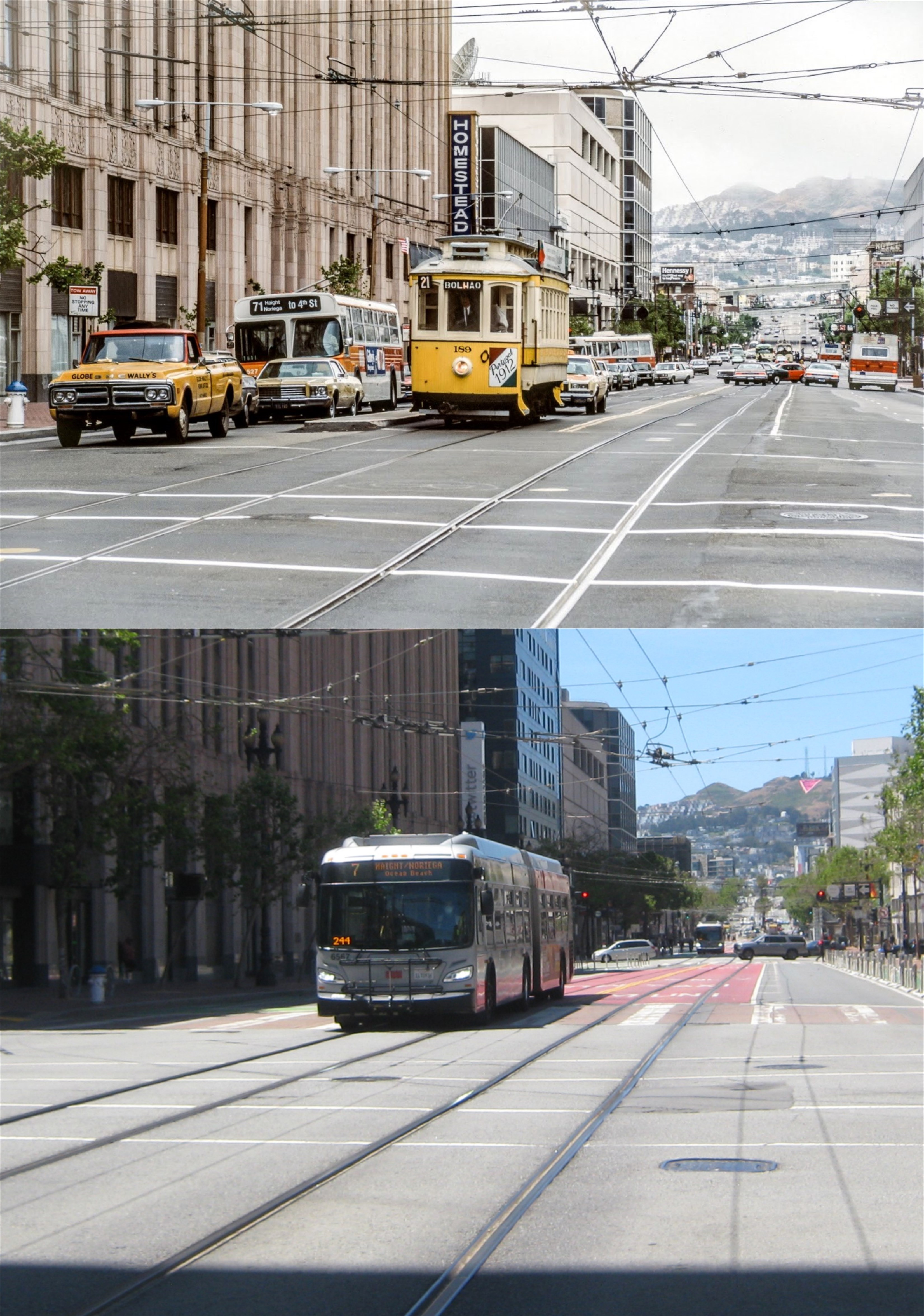
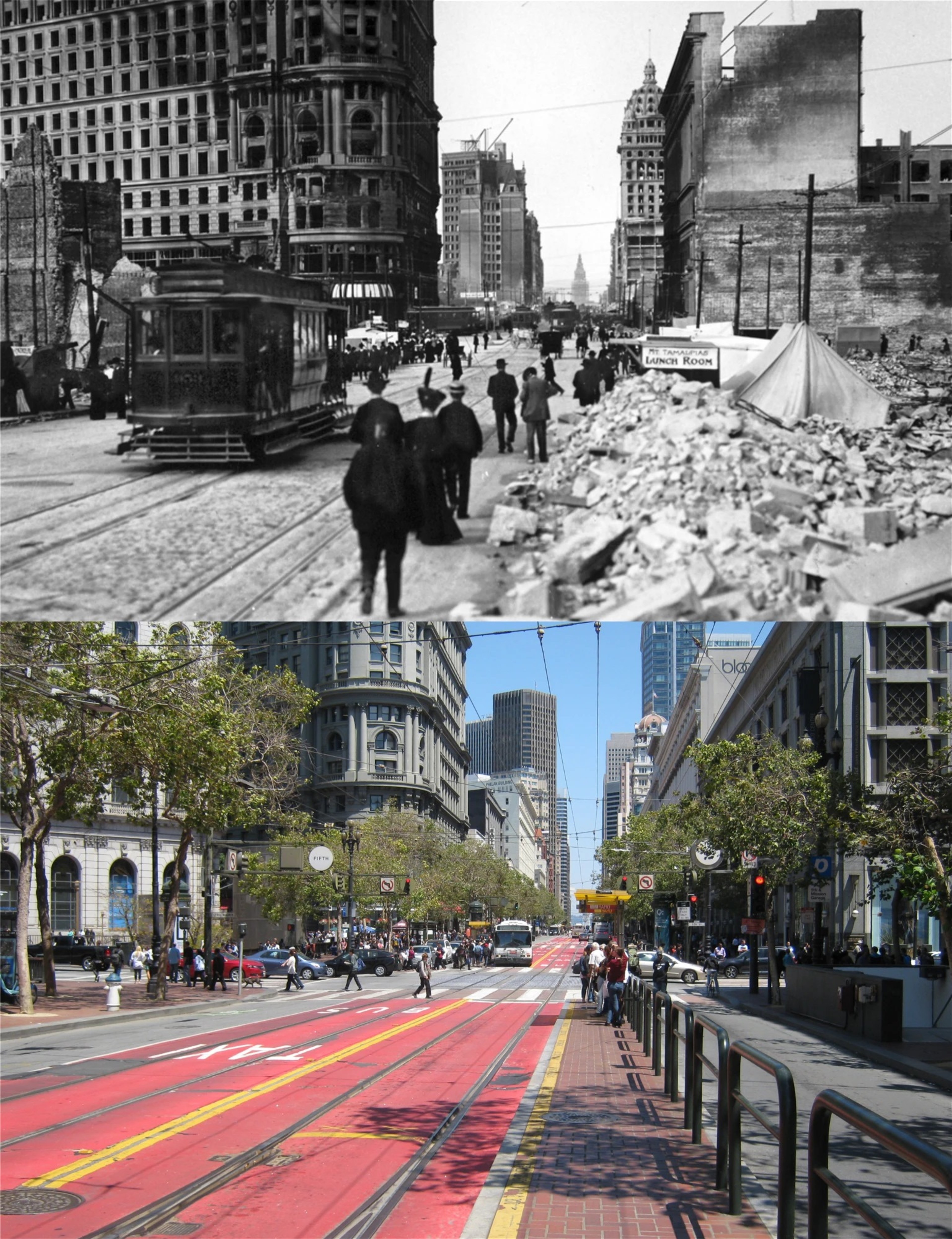
Looking toward the old Emporium Department Store in the 1960s:  I really enjoy seeing the old F Line Streetcars up and running along Market Street again, and it makes for a better comparison picture. (Vintage Everyday)

‘Hot Summer Day’

“Hot summer day (Hot Summer Day), carry me along, to its end, where I begin”

That’s me, quoting lyrics from a song that nobody born after 1970 has ever heard of. Well, I remember that song by ‘It’s a Beautiful Day’. Anyway, it was also a hot summer day in San Francisco last Saturday. (I’ve got to work on these lead-ins.) These are updates I did last weekend of pictures I took in late March and Early April of 2020 at the beginning of the COVID-19 lockdown. Much of Downtown San Francisco was boarded up, lonely and depressing then. (Thumbnail images)

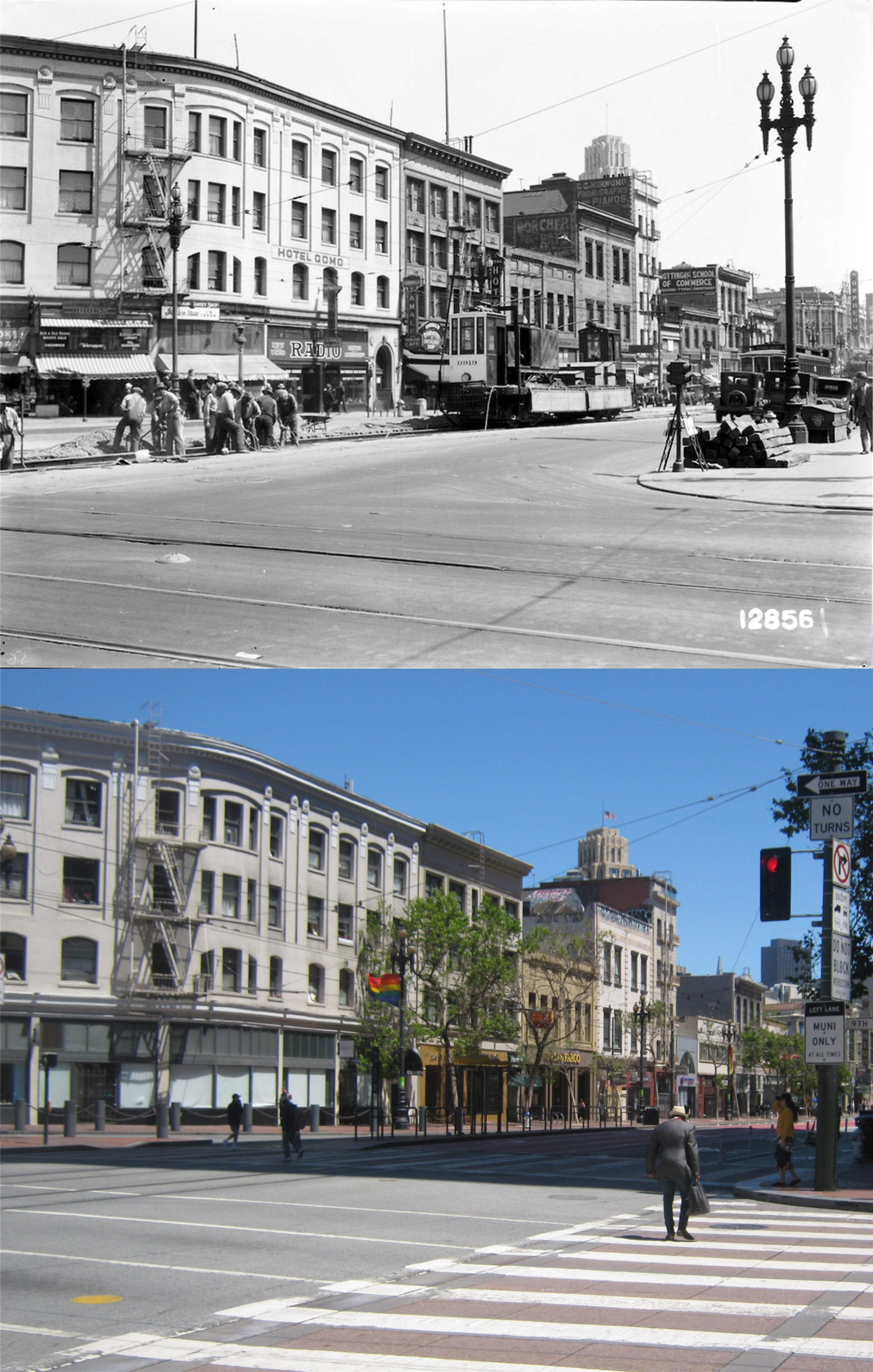
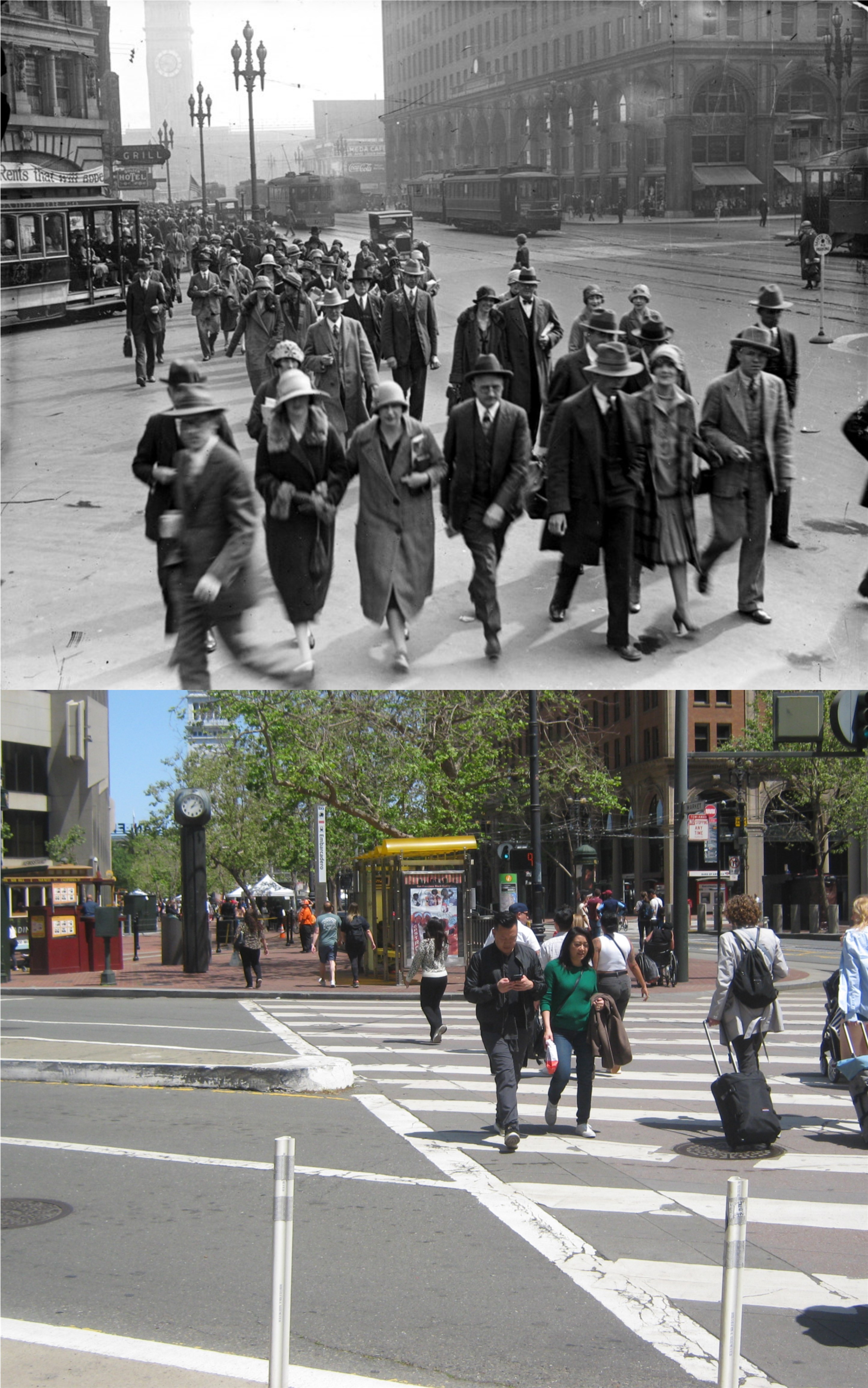
The intersection of Market and Powell Streets:


The cable car turnaround at Powell and Market Streets:

“If you run them, they will come.”


The Westfield Center, in the old Emporium Building, is open again and was crowded Saturday. The food services downstairs are roped off with security checking vaccine cards, but I saw a few people sneaking in under the rope.

Stockton and O’Farrell Streets, looking north toward the Stockton Tunnel: The #30 Muni lines had been temporarily discontinued back then.


Union Square: There was no sound of cable car bells, no traffic noise, and no murmur of voices around the near empty square. It felt too strange and I didn’t want to stay there very long that day.


Geary and Powell Streets: Cable cars were rattling past, with people enjoying the freebie rides for one last weekend before the fares come back.

Minor White

“My own place in this thing called photography? Lately it has come to my attention that perhaps I have a place in it, not entirely held by others.” (Minor White; Wikipedia)

This post is a collection of updates of Minor White photographs taken in San Francisco in the late 1940s and early 1950s. When you look at my updated pictures, it’s easy to see who the master is and who’s the imitator. Still, San Francisco has changed a lot since the vintage pictures were taken, and my pictures are only geographical comparisons of a few of Minor White’s images from a long ago San Francisco. The source pictures are from the digital library of the California Historical Society page on the internet. (Thumbnail images)

An ambulance on Market Street, between First and Second Streets, in 1951: The Hunter-Dulin Building on Montgomery and Sutter Streets where Sam Spade had his fictional office in the ‘Maltese Falcon’ is almost completely blocked out from the view here by the Wells Fargo Building, built in the 1960s.

Montgomery and California Streets, the heart of white-collar San Francisco, looking south along Montgomery Street in 1950

:

Looking across the Embarcadero toward the old Hills Bros. Coffee Building in 1949:

A lot of Minor White’s San Francisco photos were taken along the Embarcadero. This view is looking toward Telegraph Hill, between Union and Filbert Streets, in 1949.

This is one of White’s most famous pictures, taken on the northeast corner of Pine and Sansome Streets in 1949. I’m not sure if the 49 – 52 at the bottom of his picture represents the number of his pictures he took in San Francisco.

Where Lombard Street comes in to the Embarcadero in 1949: This is a great shot of a Belt Line Railroad engine.

Where Filbert Street used to merge with the Embarcadero in 1949: This is the view today from Levi Strauss Plaza about where the vintage picture was taken: Although the Levi Strauss Plaza, built in the early 1980s, is a great spot for catching some sun or having a bag lunch, there’s a lot to be said for the New Deal Restaurant. Like ‘Alice’s Restaurant’, you could have probably gotten anything you want.


In front of the Pacific Union Club in 1949: Grace Cathedral is in the background. Construction on Grace Cathedral had been halted by 1949 and the remaining work, along with the south spire, was not completed until 1964.


Following in my own footsteps (Part three)

In May of 2019, as part of the longest title of any of my posts, I promised ‘Still, still, still more pictures from the 1980s’. These are another collection of slide pictures I took from 1983 to 1986 that I had converted to a digital CD. Slide pictures convert to digital much better than snapshots, and A1 Photo & Video Lab in Berkeley does about the best job of doing the transfers that I know of. Oh, no, now I’m even running commercials on my blog! (Thumbnail images)

Cable cars are up and running again, and for now they’re free, which is even better than the 25 cents I used to pay to ride them when I was a teenager. I don’t remember what the fee was in 1983, but I was riding one up California Street in the spring of ’83 when we got in somebody’s picture passing Old St. Mary’s Church at Grant Avenue and California Street. Last weekend, I thought I’d ride on a California Street cable car to update my 1983 slide. I missed my shot heading up because I couldn’t get a spot on the side of the cable car I had to be on, so I got off at Powell Street, waited for another one going down California Street, and got on the side I needed to be on without having to knock somebody off. The cable car stopped pretty close to the angle I was in 1983, (just for me, no doubt) and I got my update. The traditional phone booth next to St. Mary’s was still there in 1983. Photographer Fred Lyon took a great picture during the 1960s at this phone booth that I updated in October of 2019.

Looking down Jones Street past Union Street in 1983: I rode my e-bike here earlier this week to get my recent picture, you can see it down by the corner. I don’t remember how I got up here in 1983. You have to do a lot of uphill traveling to get here. I didn’t ride Muni much back then, but I did have a 1973 Ford Maverick that I took over to the City a lot in those days. That old nag would’ve made up here okay.

The Hyde Street Pier in 1985: The C.A. Thayer schooner, on the right, was repositioned aft out now to make room for the sailing ship the Balclutha, on the left.


Looking up Powell Street from Geary in the spring of 1983: You can still see the repair work on the Powell Street cable car line that necessitated a shutdown of the entire cable car system from the fall of 1982 to June of 1984. The recent shut down of the cable car system due to the Covid-19 Pandemic of 2020, although not as long, was the longest closure of the cable car system since the 1982 – 1984 overhaul of the system.


The rest of the updates were taken on Fleet Day in October of 1986 from Telegraph Hill. This one was taken from Chestnut Street looking toward Pier 35. This was still during the Cold War when I took my first picture, and there was quite a lot of naval presence on display that day. We’ll get closer to the aircraft carrier in the next photos to see who she is.

I moved further up Telegraph Hill in 1986 to get this slide. The aircraft carrier is number 65; the USS Enterprise. She was decommissioned in February of 2017.

Like the previous photos, these ones were taken from the end of Lombard Street before it climbs the rest of the way up to Coit Tower. I’ve zoomed in on the slide to see if the ship second from the left is the Jeremiah O’Brien, but I don’t think it is.

I watched USS Enterprise as she moved off and sailed under the Bay Bridge. We’ll just never see anything like this again.

“Perpendicular, hanging on a cable car”

They’ve been out-of-date for over a hundred years, but it’s good to see the cable cars back running again. I went over there this week to take advantage of the free cable car rides throughout all of August. Incidentally, the title to this post comes from Judy Garland’s knock-out version of the song ‘San Francisco’. (Thumbnail images)

The cable car turnaround at Aquatic Park in 1969: West Coast Furniture; I think they’re still around, if you want to drive to Bakersfield. (ebay.com)


Hyde and Chestnut Streets and those spectacular views, in the 1970s: (SFMTA)


In front of the St Francis Hotel during the Cable Car Centennial of 1973: (SFMTA)

Hyde and Chestnut Streets in 1968: (UCSF Library)

Grant Avenue and California Street: “Life imitates Art far more than Art imitates life.” It’s nice to see people running to catch a cable car again. (Ted Lewy)

“Perpendicular, hanging on a cable car”

Noirish updating

I don’t know if there’s such a word as noirish, my word program on my computer has it underlined in red, but if not, I’ll pretend there is. These are a collection of black and white updates of pictures that have a noirish appearance. (There’s that word again) Some of the vintage pictures are from movies that would be considered film noir, but most of the old images are just noirish looking. Hmm, my word program’s going to run out of red ink. (Thumbnail images)

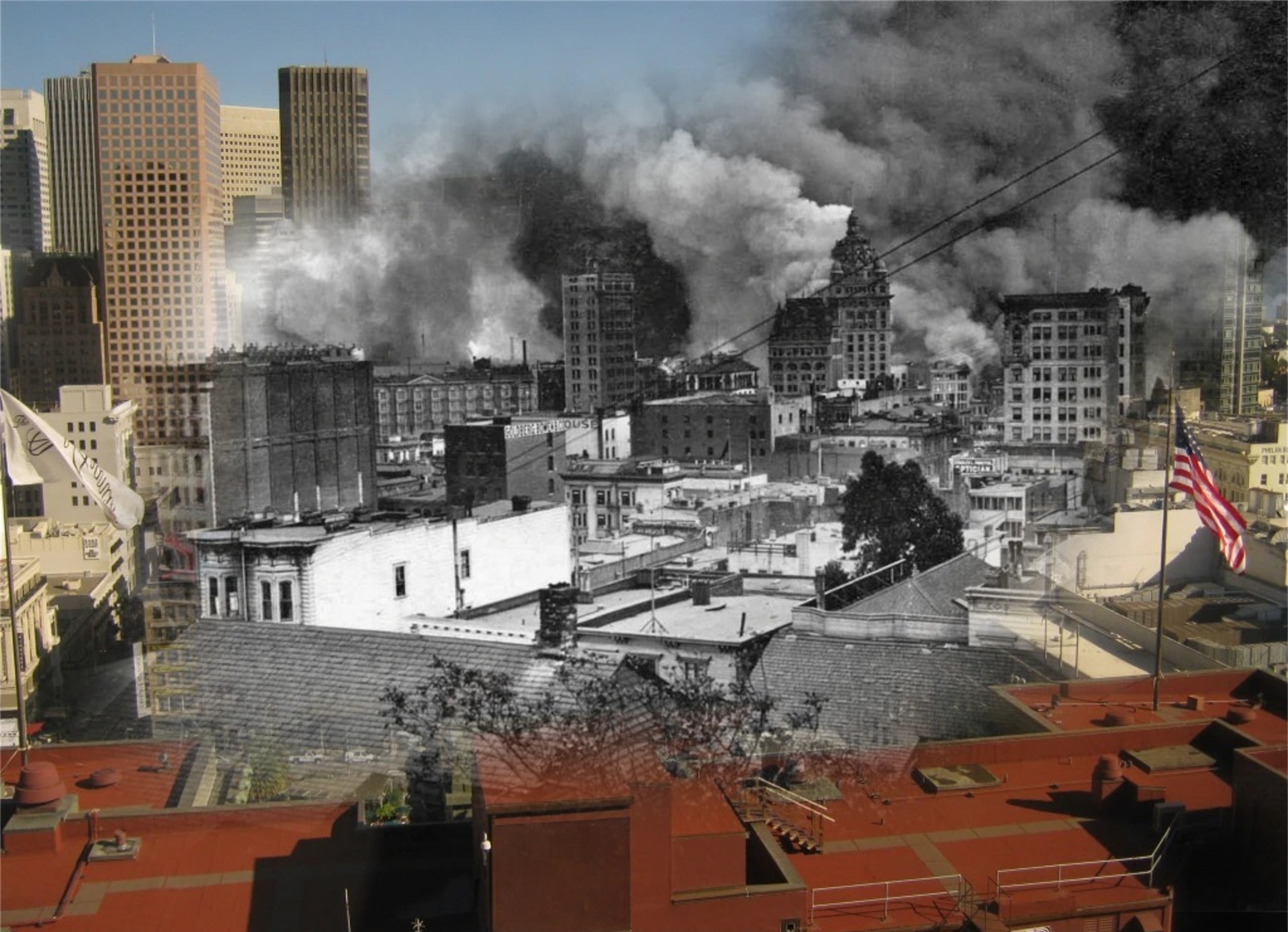
Downtown San Francisco in the 1950s from Ina Coolbrith Park:

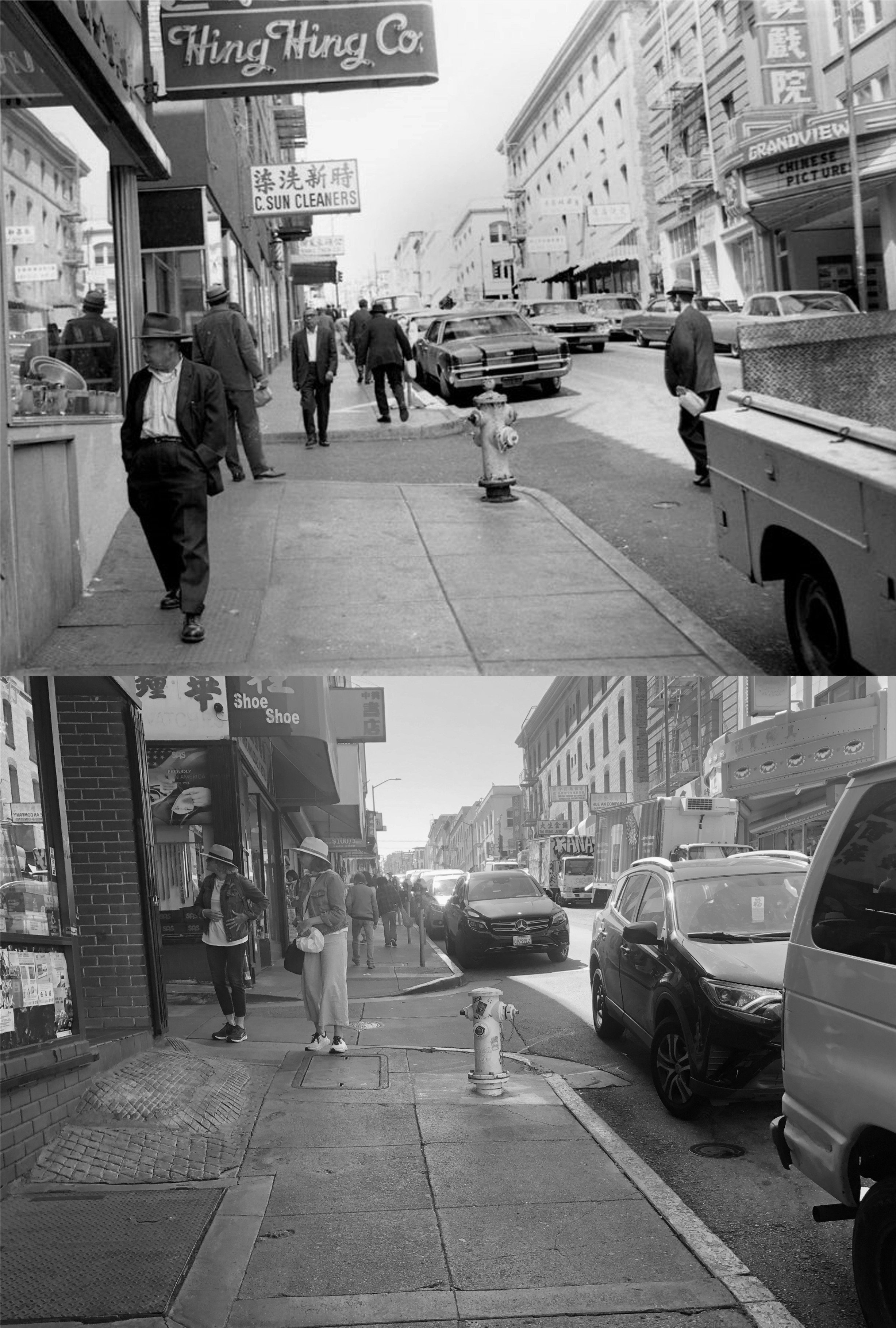
Chinatown, at Grant Avenue and California Street, circa late 1950s: The cable car operators were practicing their runs yesterday for today’s official opening of the cable cars, and now that intersection looks more natural. (Gene Wright)

The Golden Gate Bridge, from the master of noirish photography during the 1940s, 1950s and 1960s, Fred Lyon:


Another image at Grant Avenue and California Street from the 1949 film ‘Red Light’ starring George Raft and Raymond Burr: Old St. Mary’s Church is in the background. I like that shadowy figure in the film shot.

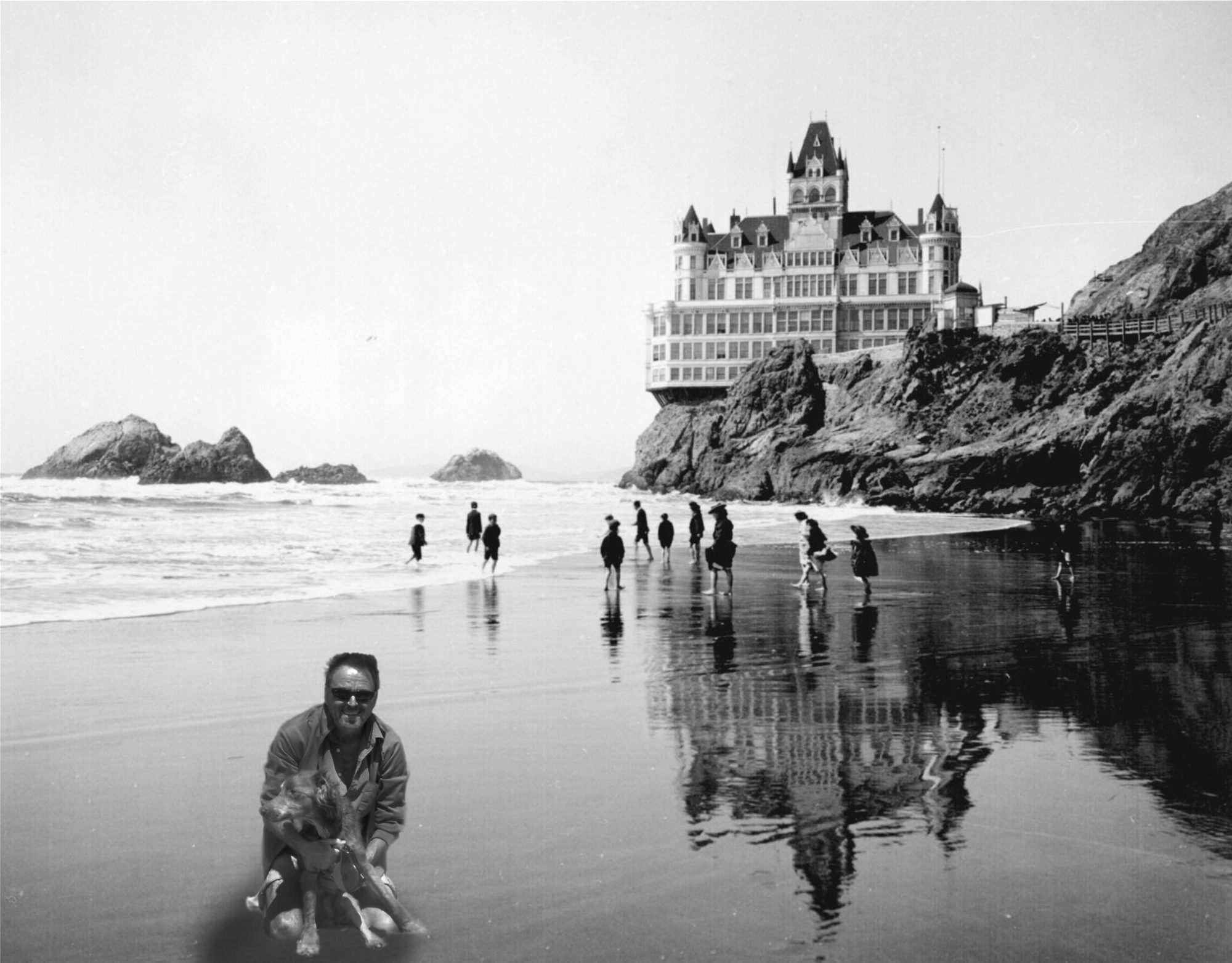
The Cliff House in the 1950s, sadly empty today: (Fred Lyon)

A spooky looking International Settlement on Pacific Avenue at Montgomery Street during the 1940s: (ebay.com)

Jones Street, looking down from California Street during the 1950s: This is a scary street to drive down.


The top of the Filbert Steps on Telegraph Hill during the 1950s from another Fred Lyon image:

A Communist safe-house near Clay and Mason Streets from the 1948 film ‘Walk a Crooked Mile’: This movie has some great shots of Nob Hill and Chinatown.


Naturally, you can’t have a San Francisco noirish updates post without including the Ferry Building; from a 1951 picture by Gene Wright.

Following in my own footsteps (Part two)

These are updates of slide pictures around San Francisco that I took in May of 1983. Except for the cars, clothes and a few additional ugly skyscrapers, most of the views haven’t changed much. Keep in mind that all of the older photos were taken during the 1982 – 1984 cable car shut down. (Thumbnail images)

California Street looking west toward Front Street and Nob Hill beyond: Bookmania, boy I loved that store! I still have quite a number of books in my library that I bought there.

Looking south toward the intersection of Sacramento and Front Streets from the Embarcadero Center. The tall building on the left, barely visible from here today, is 101 California Street. My earlier photo was taken ten years before a lunatic caused the second deadliest mass murder shooting in Bay Area History in 101 California Street. The little corner Home Savings didn’t survive, and I used to make good use of the Round Table Pizza spot next to Shroeder’s Restaurant. Shroeder’s is still there though; I watched the Giants make it into their first of three San Francisco World Series victories in October of 2010.

California Street, just down from Powell: I’d sure like to have that orange truck in the older photo. You can see the 1983 repair work on the California cable car line down at the bottom of California Street. Cable cars, empty of passengers, were rattling past me all day while I did these updates last weekend; they’re getting ready for their return in August.

I headed down California Street toward Chinatown, as I did 38 years ago. “Slug bug”; notice the two Volkswagens turning onto California Street in the older picture. I don’t know why that seems so nostalgic to me, but it does.

We’ll cross to the south side of California Street to get a look at Old St. Mary’s Church.


I don’t remember the route I followed in 1983, but it’s probably the same one I took last Saturday. This is Pine Street looking down from Stockton Street toward the Bank of America Building.


We’re in ‘Maltese Falcon’ territory now. {Where Bush Street roofed Stockton before slipping downhill into Chinatown, Spade paid his fare and left the taxicab.} Samuel Spade crossed Bush Street here, looked over the edge of the Stockton Tunnel, and walked up to Burritt Alley where his partner Miles Archer had been shot earlier in the evening.

From Bush Street I doubled back down Kearny to get this comparison picture looking up Commercial Street as it climbs into Chinatown. Last Saturday’s redo stroll might have been a lot easier for me in 1983.

The Coit Tower parking lot with the Columbus Statue: Although this slide is dated May of 1983 as well, it’s unlikely it was taken the same day as the previous slides. If that little orange three wheel Go Car would have driven past me in 1983, I probably would have thought it was from outer space!

‘No Escape’

Every once in a while I stumble on to an old film noir movie I haven’t seen yet that has terrific on location San Francisco settings. This time it was the 1953 murder mystery ‘No Escape’. I call it a murder mystery, but you’ll probably guess who the murderer will turn out to be before you’re fifteen minutes into the film. It stars Lew Ayres, Sonny Tufts and Marjorie Steele. The title ‘No Escape’ has a double meaning in the film. First, that you can’t escape from the police and get out of San Francisco if you commit murder, and second, it’s the title of a song written by Lew Ayres’ character, John Tracy. Although the movie poster refers to it as a “Haunting Melody” it’s probably one of the most boring songs you’ll ever hear in a movie. The basic plot of the film follows the three main characters around San Francisco during a police manhunt for a murder suspect, Pat Peterson (Marjorie Steele) who believes she committed the murder, John Tracy, who the police believe committed the crime and are searching for, and Detective Simon Shane, (Sonny Tufts) a police officer who is in love with Pat and doesn’t want her to go to jail for the murder. The story begins with Peterson and her boyfriend, Shane, going to a nightclub where Tracy is playing a piano. Peterson and Shane get into an argument. When Peterson leaves the table, Tracy asks her to join him. When he offers to get Pat a cab home, the night club owner, a slick character named Peter Hayden, intercepts them, slips Tracy some money, and takes Pat home himself. Tracy, who was kind of taken with Peterson, gets drunk and decides to go to Hayden’s studio apartment to give him back his money when he finds that Hayden has been murdered. That’s enough plot. (Thumbnail images)


The movie opens up with a tracking scene of traffic heading south on the Golden Gate Bridge into San Francisco. I know what you’re thinking, “Sonny Tufts! Somebody get me the remote control to guard, and a bowl of popcorn!” Actually, he wasn’t too bad in this movie, if he was ever bad in any movie! I think that was just a running joke that nobody under their 50s would know anything about.

Lew Ayres will be remembered most for his roles in ‘All Quiet on the Western Front’, the Dr. Kildare film series, and ‘Johnny Belinda’, although his career was on a downhill slide by 1953.


Sonny Tufts will probably be remembered mainly as another “Hollywood discovery” who was never discovered.

I can’t find out much about Marjorie Steele; she only made four films.

My comparison shot is from a car heading south on the Golden Gate Bridge as well as those in the film, so it’s the opposite view of the movie shot, but it lines up pretty good.


As the camera pans around Downtown San Francisco from Ina Coolbrith Park the narrator refers to San Francisco as one of the most beautiful cities on earth. I’ll back him up on that.

Still just as pretty of a view from Ina Coolbrith Park today as it was in 1953.

The movie switches to a silhouette of a man being smashed over the head and murdered. The narrator tells us that there is no escape from San Francisco when the police throw a dragnet around the city for you. We see a crude map of San Francisco before the movie shifts to different locations around the city as the narrator tell us that you can never get away once the police spring their trap. What’s interesting about this map is the road designated as 5 at the bottom of the picture. This was California State Route 5 that came up the western side of the peninsula, wound around Lake Merced and becomes Sloat Blvd. Opened in 1934; it’s still there today, but it was changed in 1964 to California Route 35 to avoid confusion with the opening of Interstate 5.


The movie highlights on two separate occasions places that you’ll be stopped by the police if you’re wanted and try to get out of the city. First, the now obsolete toll booths on the Golden Gate Bridge.

Also the Ferry Building, if you try to escape that way.

Then the camera moves to other locations of escape where you’ll be nabbed by the police. I didn’t get a chance to do updates on all of them, but here’s some from the movie that I didn’t want to leave out. The toll booths on the Bay Bridge, and the old Southern Pacific Train Depot at 3rd and Townsend near where Oracle Park is today; a major scene in the movie was filmed here. The train station was demolished in 1976. Also, there’s a nice shot of Ocean Beach and the Great Highway.


Tracy learns from a drawing on the floor of the murder scene showing Pat as the Pride of Pinker’s that Peterson works at Pinker’s Department Store at Market Street and Grant Avenue. Pinker’s Department Store is actually I Magnin’s at Stockton Street and Geary Blvd. In the next scene, Shane goes in to Pinker’s and tells Pat that Hayden has been murdered and he has been called into the case. Peterson tells Shane she went to Hayden’s apartment where they eventually got into an argument and she hit him in the head with a vase. Shane lets her know that he has no intention of arresting her.

Shane and Peterson go to her apartment on the corner of Filbert and Mason Streets to decide what they’re going to do. Tracy, who has learned where Peterson lives, goes there to talk to her, but Shane thinks that he is there to blackmail her. Peterson isn’t so sure. Because of the tree, I had to take my update a little further out in Filbert Street to get Coit Tower and Saints Peter and Paul Church in the picture.

If you’re going to film a murder mystery in San Francisco before 1968, you’ll have to include the old Hall of Justice on Kearny Street. Almost every film noir movie shot in the city has a scene there; ‘Lady from Shanghai’, ‘Impact’, ‘The Man Who Cheated Himself’, ‘Lineup’, etc. When the police match John Tracy’s fingerprints found at Hayden’s apartment to him, he becomes the prime suspect, which is perfectly alright with police detective Simon Shane. Are you starting to get the idea who the murderer is? The Hall of Justice, across Kearny Street from Portsmouth Square, was demolished in 1968 and replaced by a Hilton Hotel.

The net tightens around John Tracy, who police believe is hiding somewhere on Market Street, seen here at Market and Mason Streets. Notice the old Esquire and Telenews Movie Theaters where Hallidie Plaza is today.

Still believing that she killed Hayden, Pat begins searching for Tracy to try to help him. They agree to meet at the Powell and Market Street cable car turnaround and begin to fall in love with each other during a cable car ride. What better spot to fall in love? You can see a lot of this corner in this scene and cable cars are beginning to practice for their return in August or September so I was able to get one in my update. Well, I’ll have to leave you dangling on the edge of you seat because I didn’t get a chance to do any more updates. Needless to say, if Pat isn’t falling in love with Shane but Tracy instead, you can guess the denouement.


This time it feels like summer (For Carrie Ann, Christie, Allison, Erin, Julianna, Lila, and Paradise)

Last July, San Francisco was a quiet and lonely town, but for July, 2021 the tourists are back, and I don’t mind it at all! It kind of reminds me of the Munchkins coming out from their hiding after the tornado drops Dorothy and her house down on the Wicked Witch of the East. I know, that’s a silly comparison, but I never resist a literary impulse, even a terrible one. July 5, 6, and 7 I had out-of-town relatives from Texas and Los Angeles in for a visit, including a 13 and 11 year old who had never visited San Francisco. We toured the town up good, and the 11 year old told me that San Francisco was the best place she ever visited. Class is where you find it. (Thumbnail images)


I started the holiday out in Niles on the 4th of July, resting up before company arrived the next day. Niles, California is pure Americana.


Tuesday, one of our stops was Alcatraz. Most of my visitors had never been there. I’m always intrigued when I visit the “Rock”, and especially about the “Battle of Alcatraz” in May of 1946, when a number prisoners rioted and took over much of the cell block. Two prison guards and three of the escaping convicts were killed. Fourteen officers and one prisoner were injured, and two of the escapees were executed for the uprising two years later in San Quentin. It was everything and old James Cagney movie depicts, and more. They sell a comic book out on the island that tells the story pretty accurately.

The rioters overpowered a number of guards, taking some of their uniforms and took over the cell block building.

They were shooting at the officers in the guard towers from the building.

Finally, police and the US Marines recaptured the cell block building by shooting and throwing hand grenades into the Cell block D side of the building. There are still bullet holes from the battle above the passage from Cell block D leading into the library.

Wednesday, we headed up north to Bodega Bay, courtesy of Alfred Hitchcock.

And, of course, the obligatory visit to Alamo Square; I’m not a fan of the show, but I get a kick out of this video the girls put together.