Murder on Joice Street

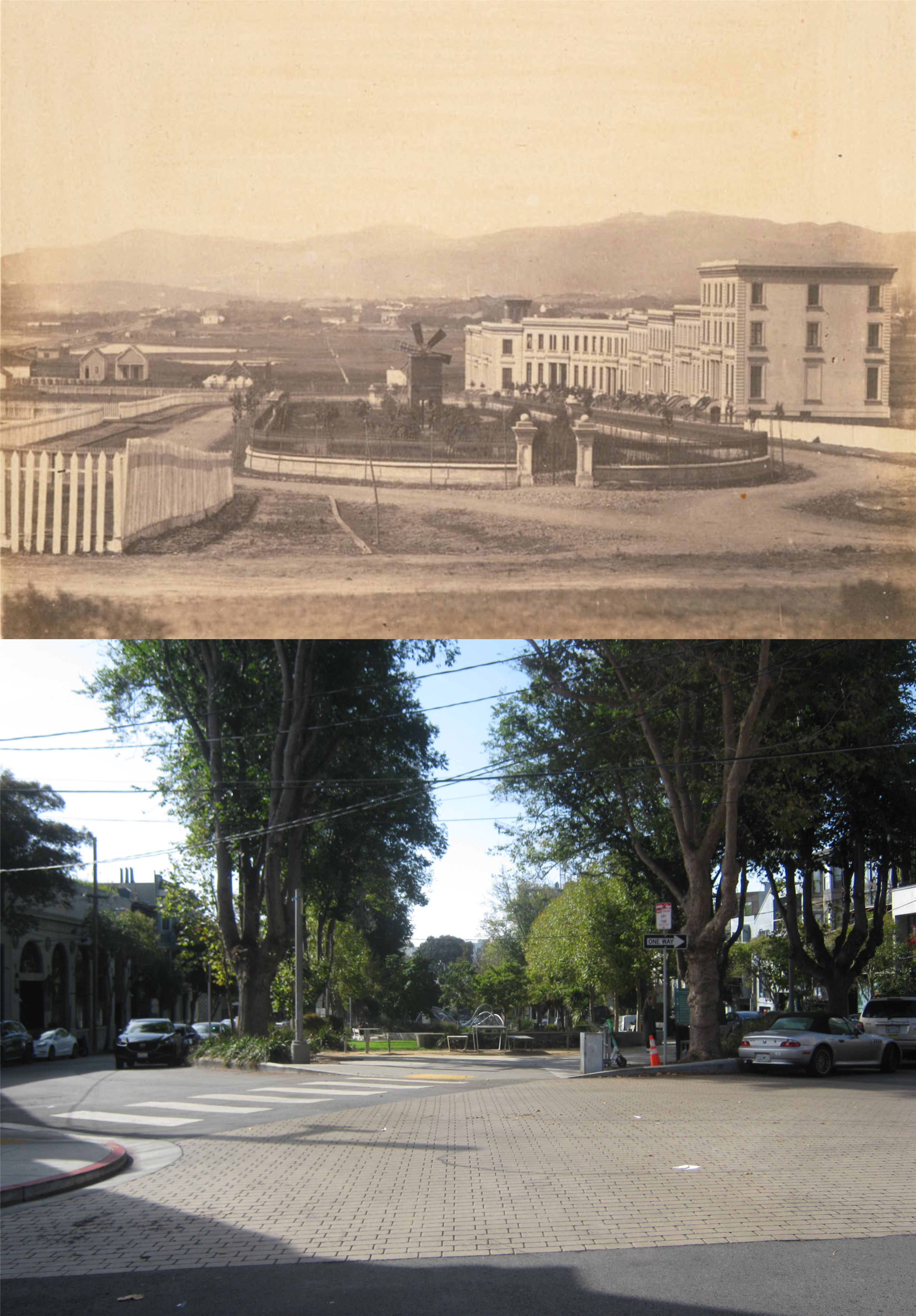
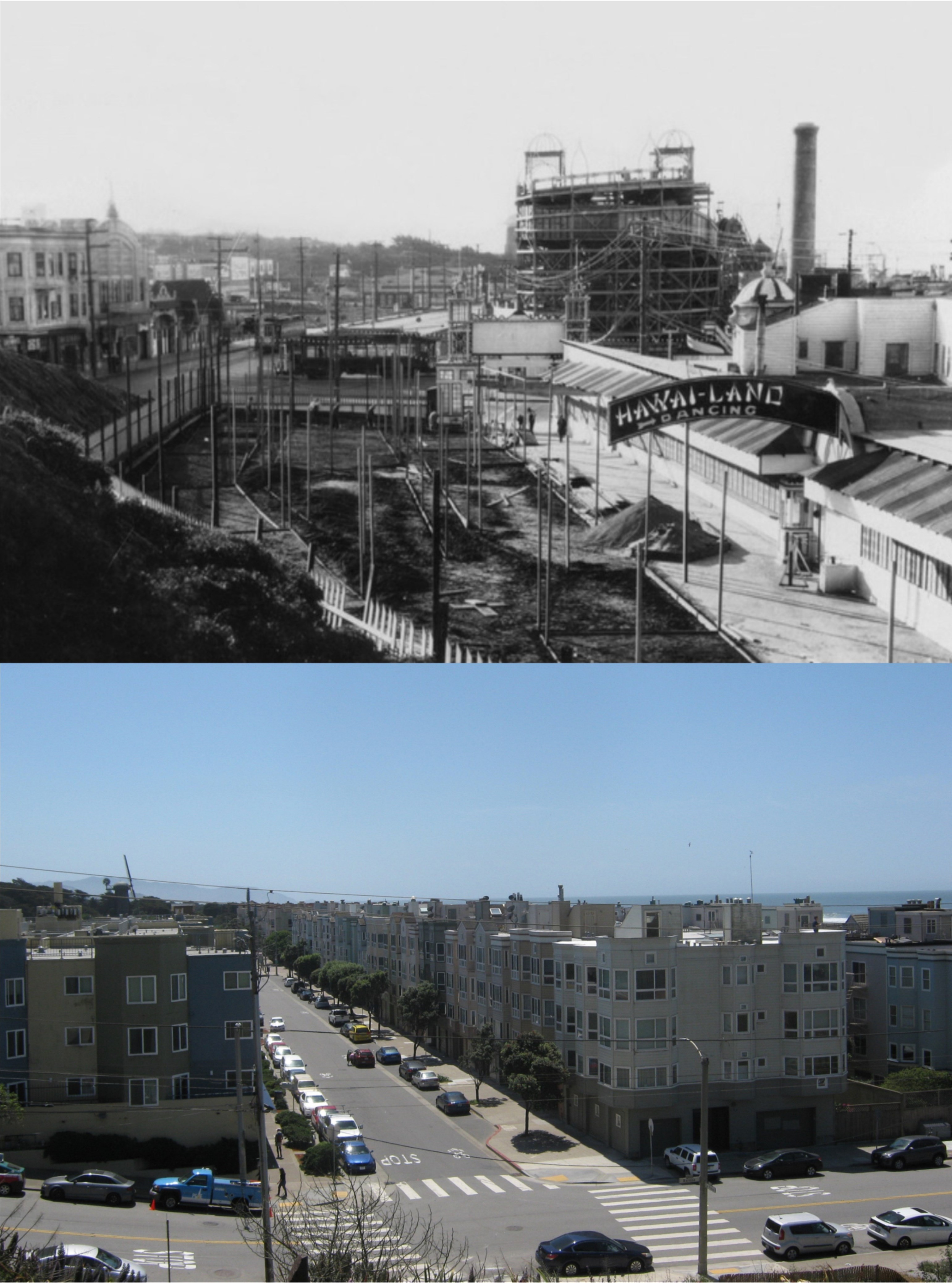
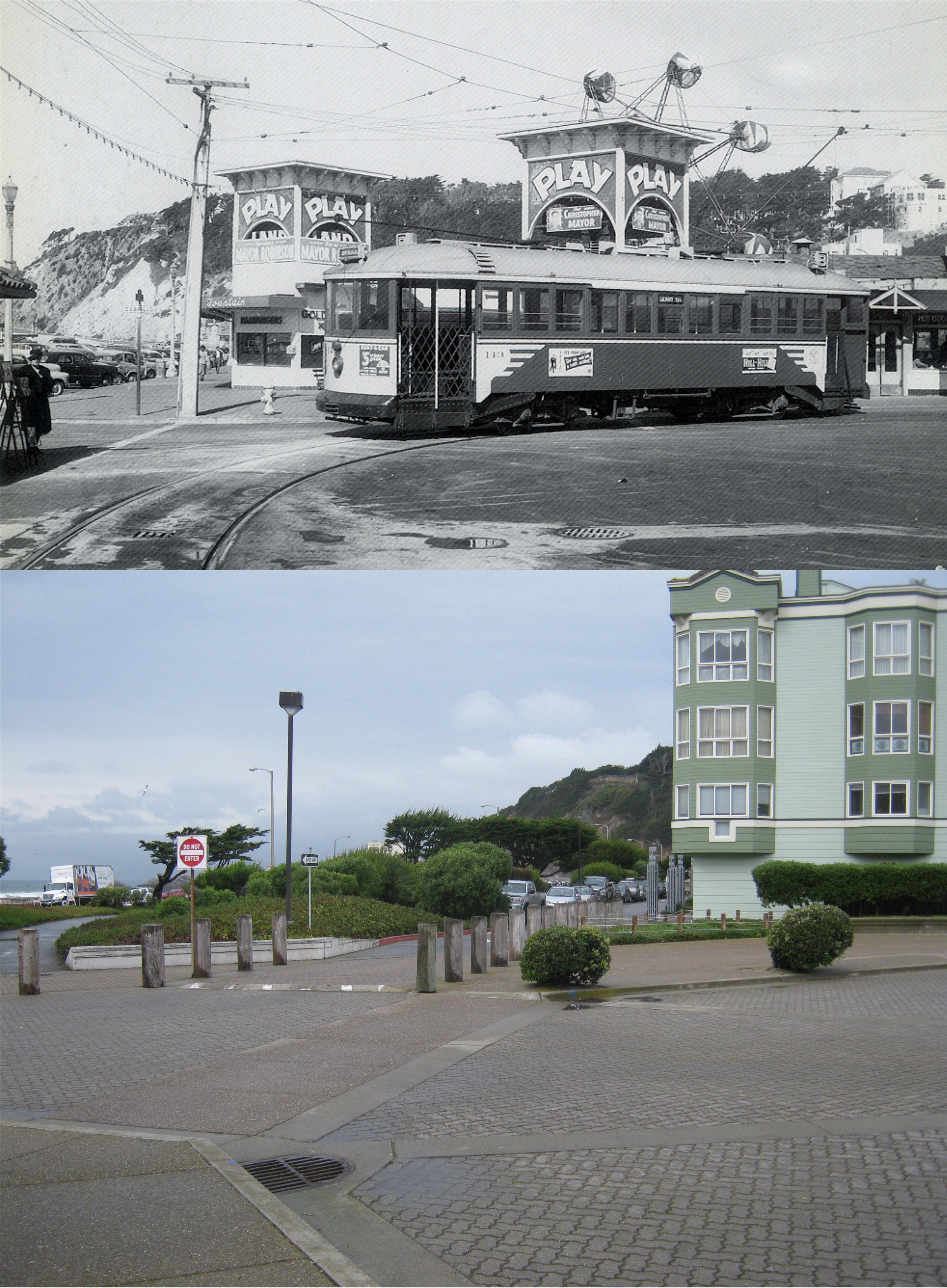
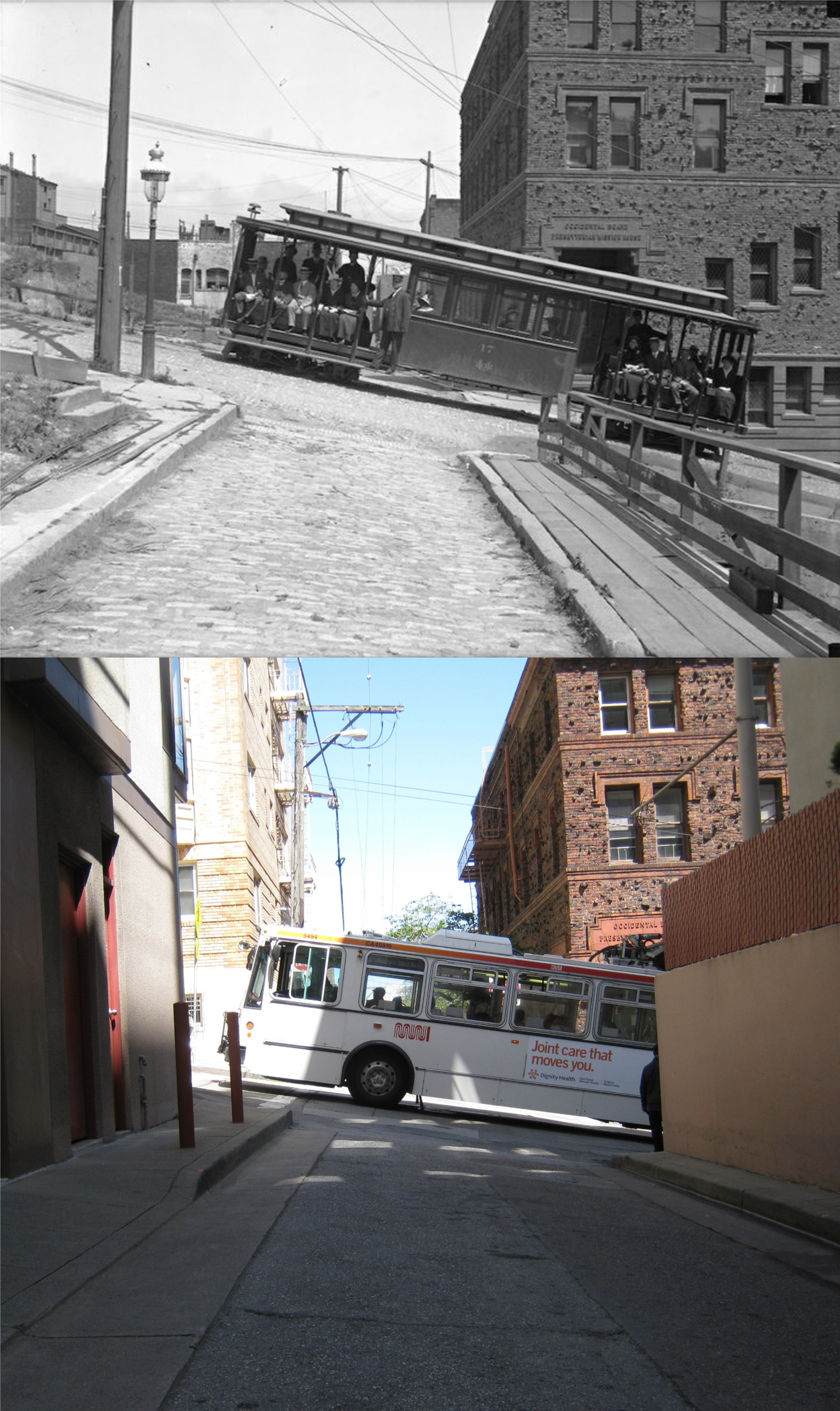
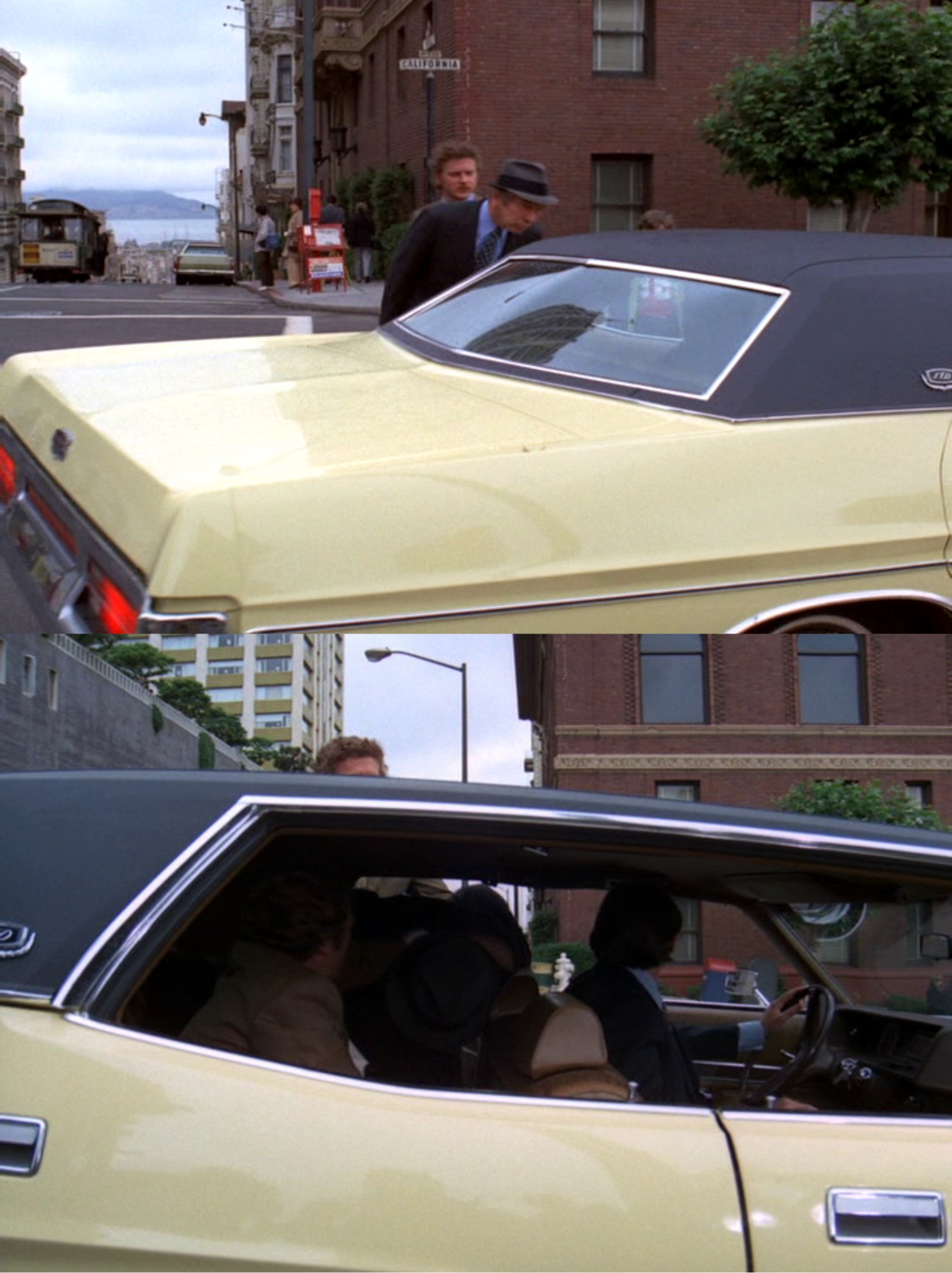
Joice Street is another interesting little known San Francisco Street. It’s actually a little more than an alley that runs three blocks from Pine Street to Clay, and I’ve posted a few updates on it in the past, but I became interested in exploring it again after reading about it in the opening chapter of Gary Kamiya and Paul Madonna’s wonderful book ‘Spirits of San Francisco’, published just at the opening of the Covid-19 Pandemic that shut San Francisco and most of the world down in the spring of 2020. The street runs in sort of a hill-and-dale from, as Gary Kamiya points out, the “glamour” of Nob Hill to the “drabness” of Chinatown. I revisited a little of  street’s history, and also remembered a little known claim to fame, if that makes any sense, that I saw in a 1972 episode of the television show ‘The Streets of San Francisco’ that featured Joice Street. (Thumbnail images)


The Joice Steps, descending or ascending, depending on your point of view, Pine Street, seen in Edward H. Suydam’s 1930s drawing.


Children and guardians posing in front of the Occidental Board Presbyterian Mission House, more commonly known as the Cameron House, in 1908: The Cameron House got its more prevalent name after Donaldina Cameron, who lived in the building and was famous for rescuing women forced into prostitution in Chinatown. (Wikimedia)


Donaldina Cameron stands at the bottom of the ladder in this staged photo of a Chinatown rescue from FoundSF:


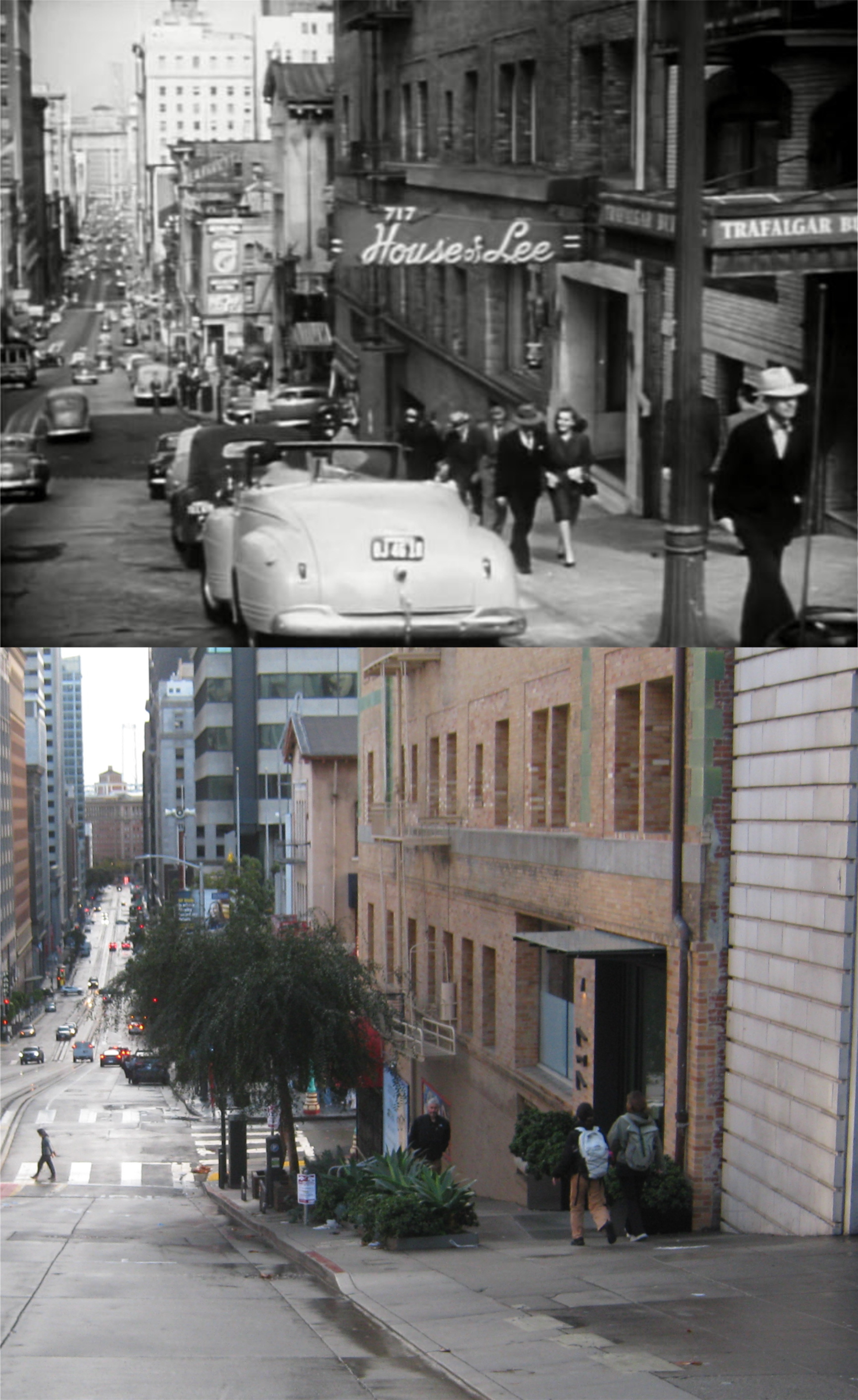
Believe it or not, I wasn’t trying to line this bus up with the cable car in the older photo, taken from Joice Street looking toward Sacramento Street, but the MUNI #1 came by at just the right time to make a nicer comparison. The Cameron House is on the right in both photos.


And now, to the main Joice Street story. I did a post in 2018 that covered, in part, what I think was one of the best episodes from the 1970s TV show ‘The Streets of San Francisco’ entitled ‘In the Midst of Strangers’ that showed part of, but not the actual murder on Joice Street, of a cable car passenger. Here’s the set up. The fellow in the hat holding a newspaper has just gotten off of a cable car and is crossing California Street south on Powell Street, followed behind him by the man in the tan suit who knows that he’s carrying a lot of money. The passengers in the yellow car are accomplices of the thug following the cable car passenger.


The yellow car cuts the victim off, supposedly asking for directions, and he’s taken into captivity from behind.

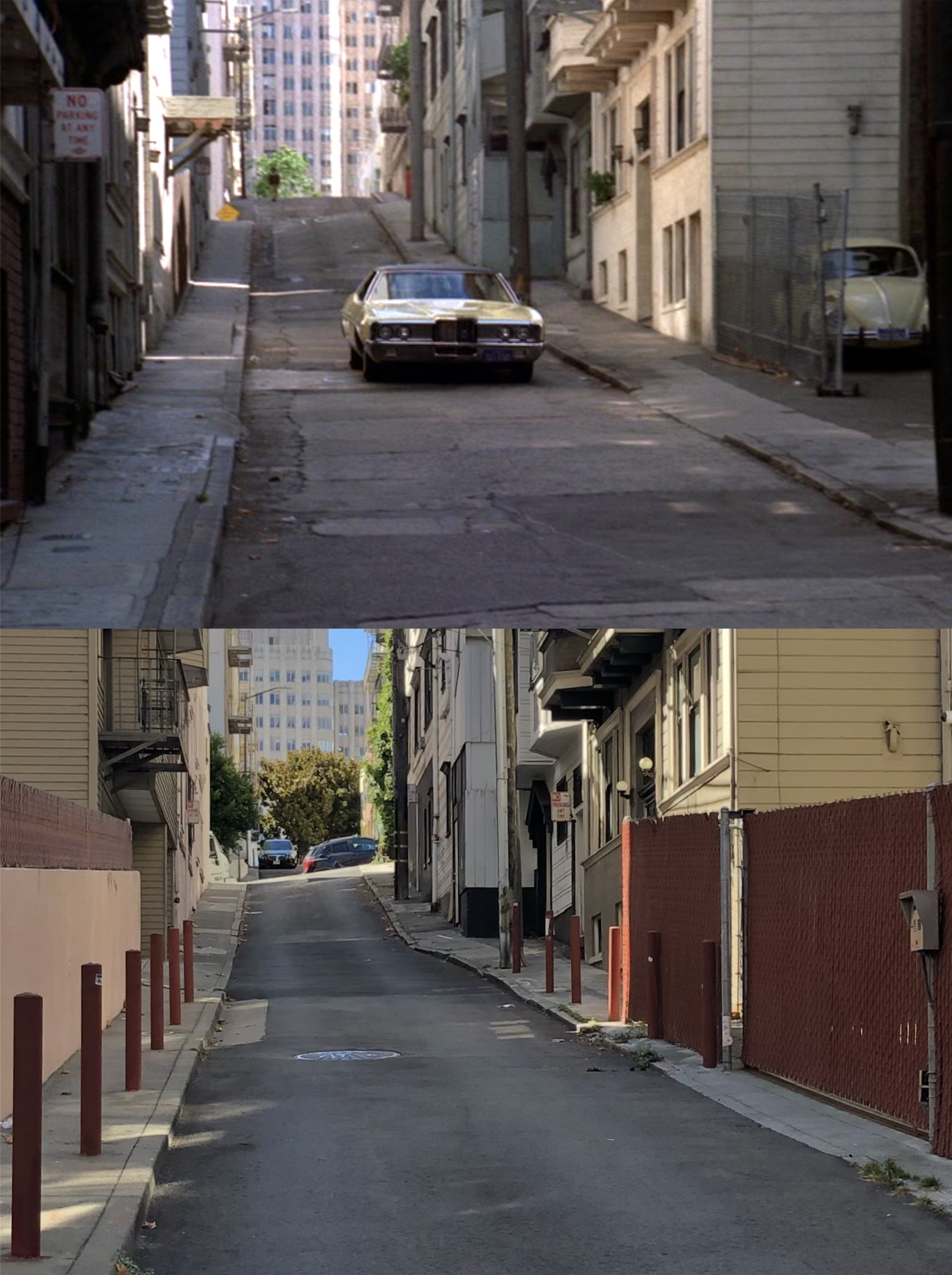
The kidnappers speed down California Street past the obligatory 1970s Volkswagen, and turn left into Joice Street. Joice Street is where the white truck is in the current picture.


They head down Joice Street toward Sacramento Street past what appears to be another obligatory 1970s Volkswagen parked on the right.


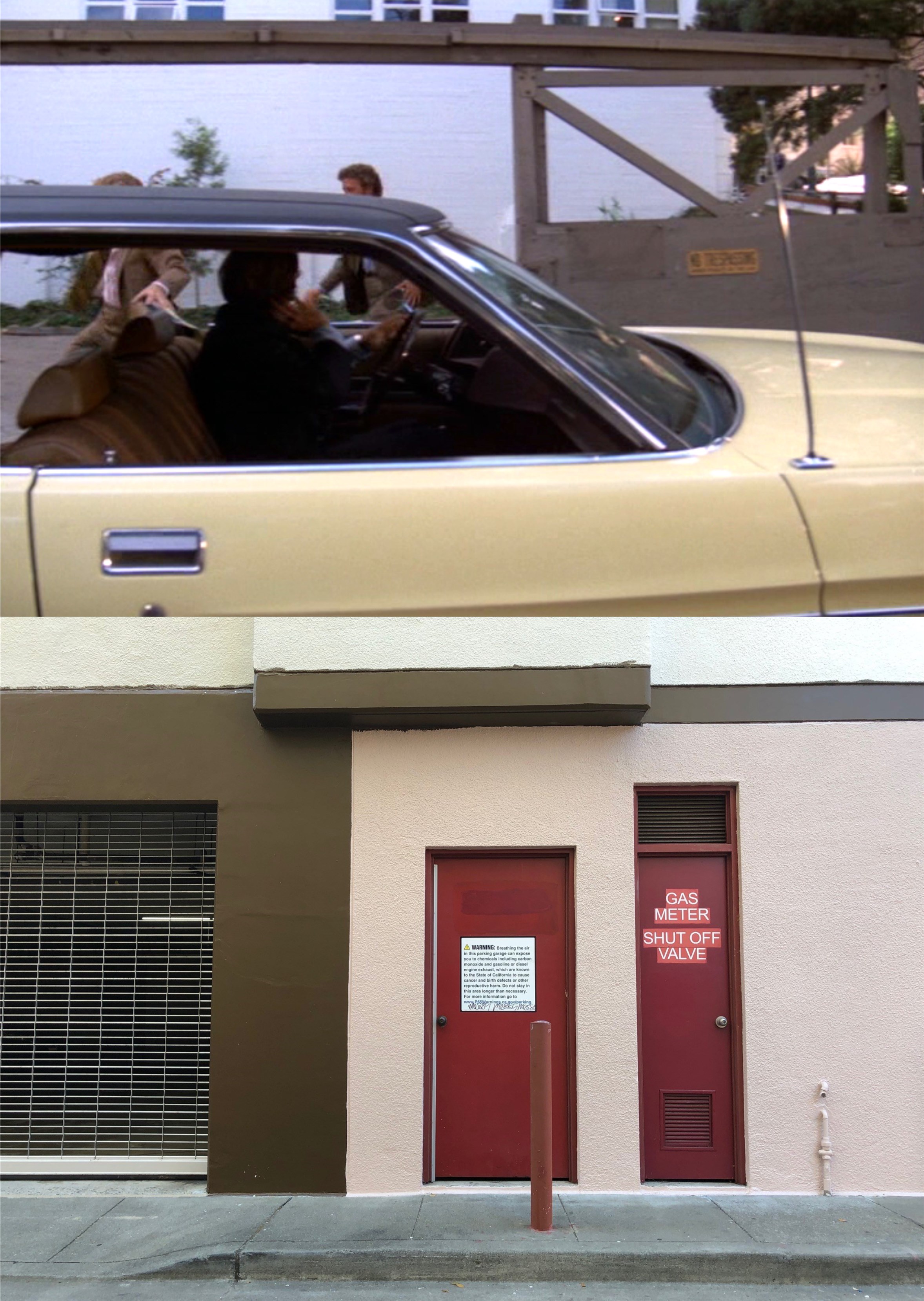
Unfortunately, things don’t turn out too peachy for the victim. As the thugs stop on Joice Street to rob the man, one of the bad guys shoots him as he struggles. There’s always somebody who has to make it worse!


The crooks dump the body of the fellow who “gave the last full measure of devotion” for his money into a building under construction. Here’s where the finished building is today, no doubt haunted.


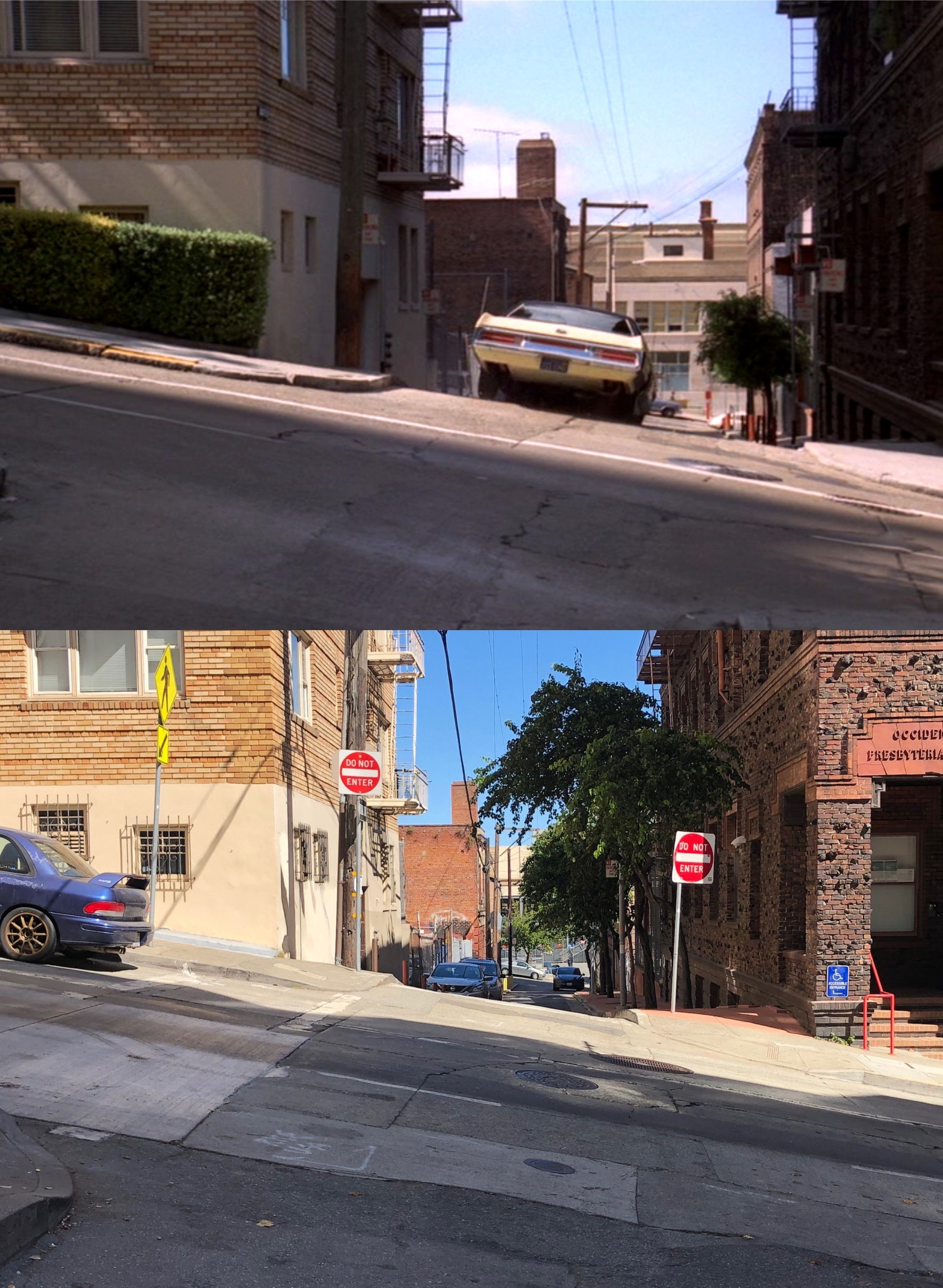
The murderers cross Sacramento Street and head down Joice to Clay Street, past the Cameron House on the right. Donaldina didn’t help that poor fellow.

Prowling around the Port (Part…… I forget)

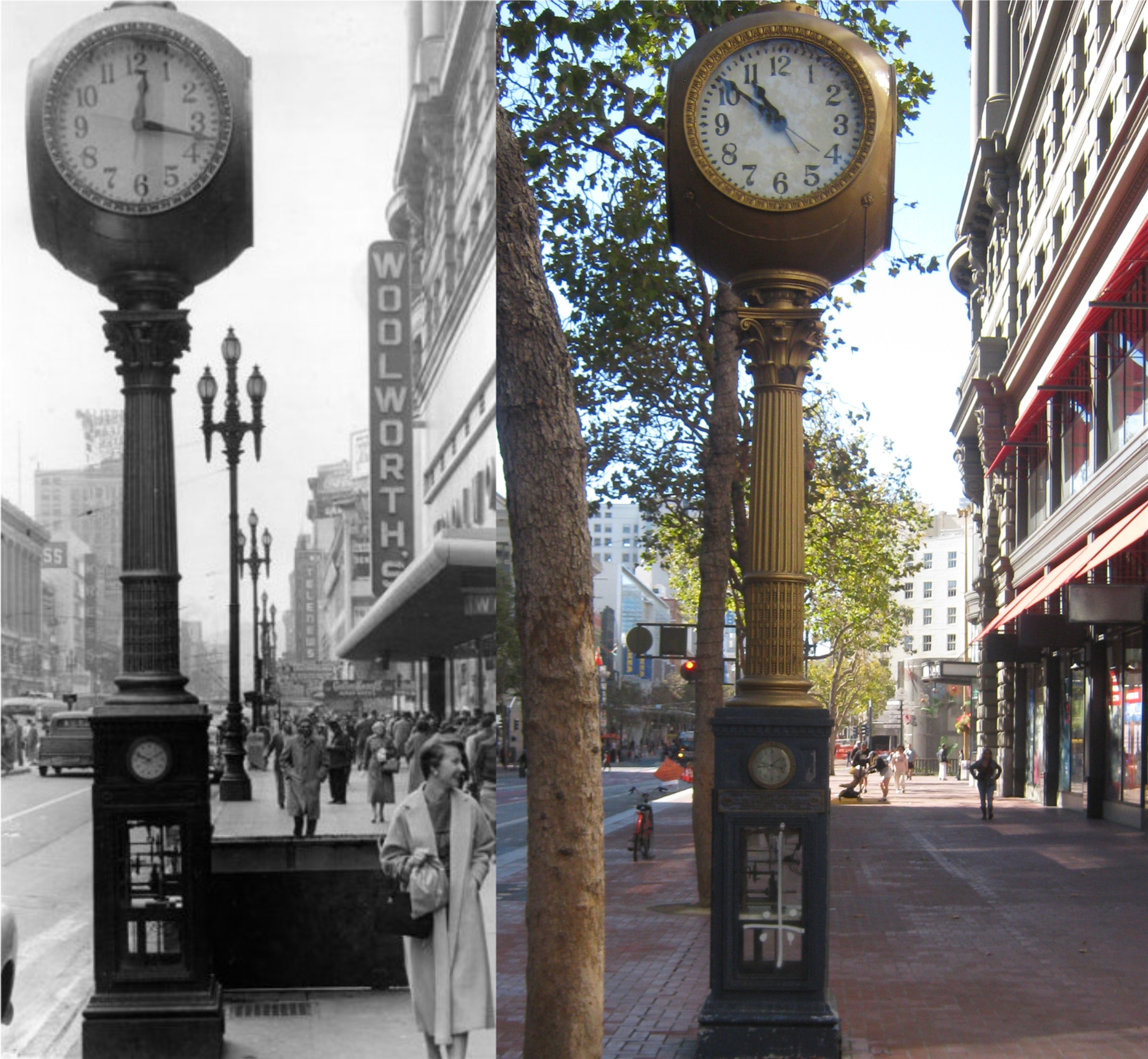
I went to SF on Sunday to take advantage of some of MUNIs free rides along the Embarcadero they’re offering through the summer. There’s a lot of San Francisco related personalities in this old poster; Dashiell Hammett and Humphrey Bogart over by the clock, Clark Gable and Jeanette MacDonald from the movie ‘San Francisco’, Laffin’ Sal, Lillie Hitchcock Coit, Emperor Norton, Mark Twain, and probably a lot of others I haven’t spotted yet. (Thumbnail images)


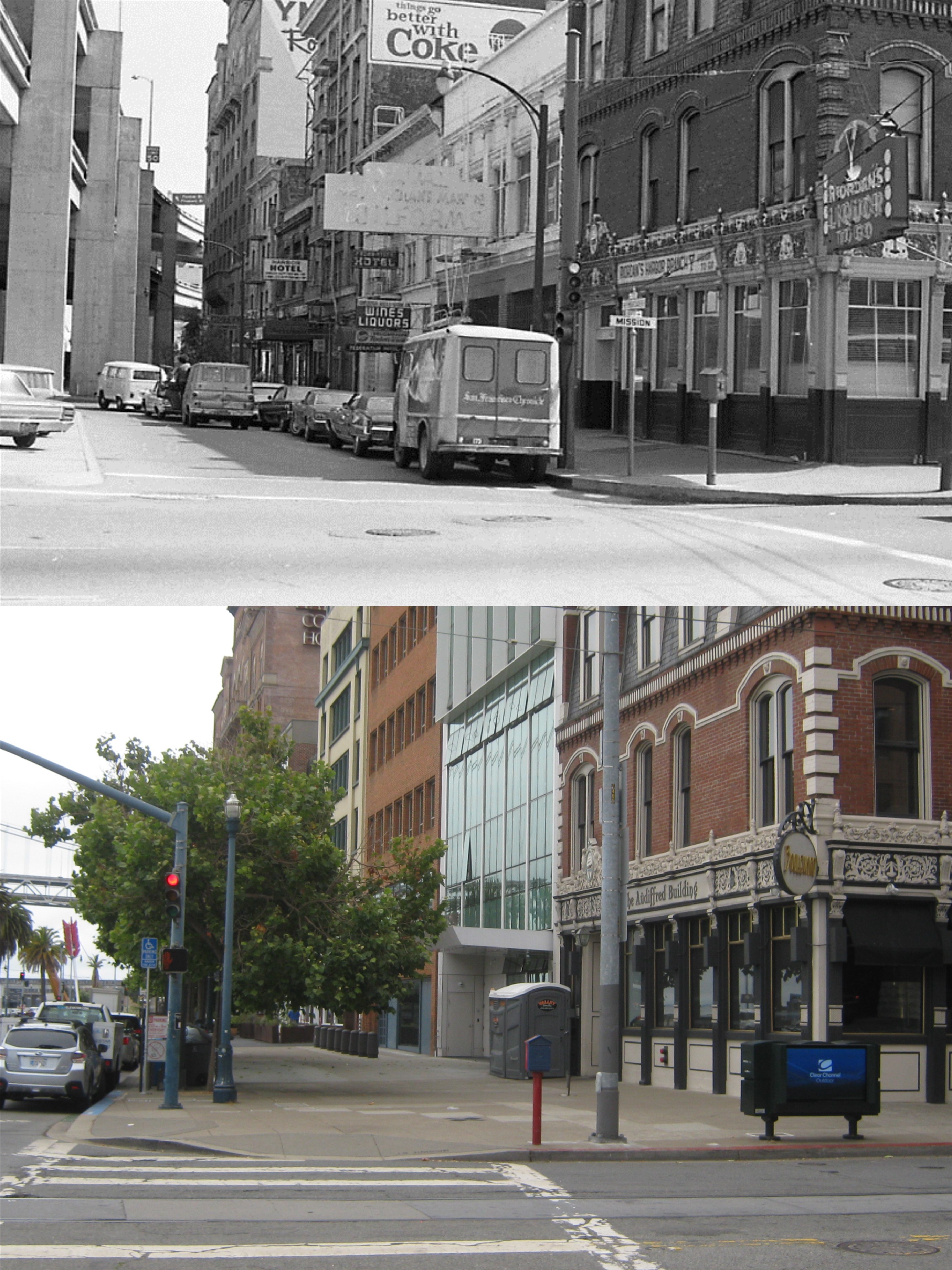
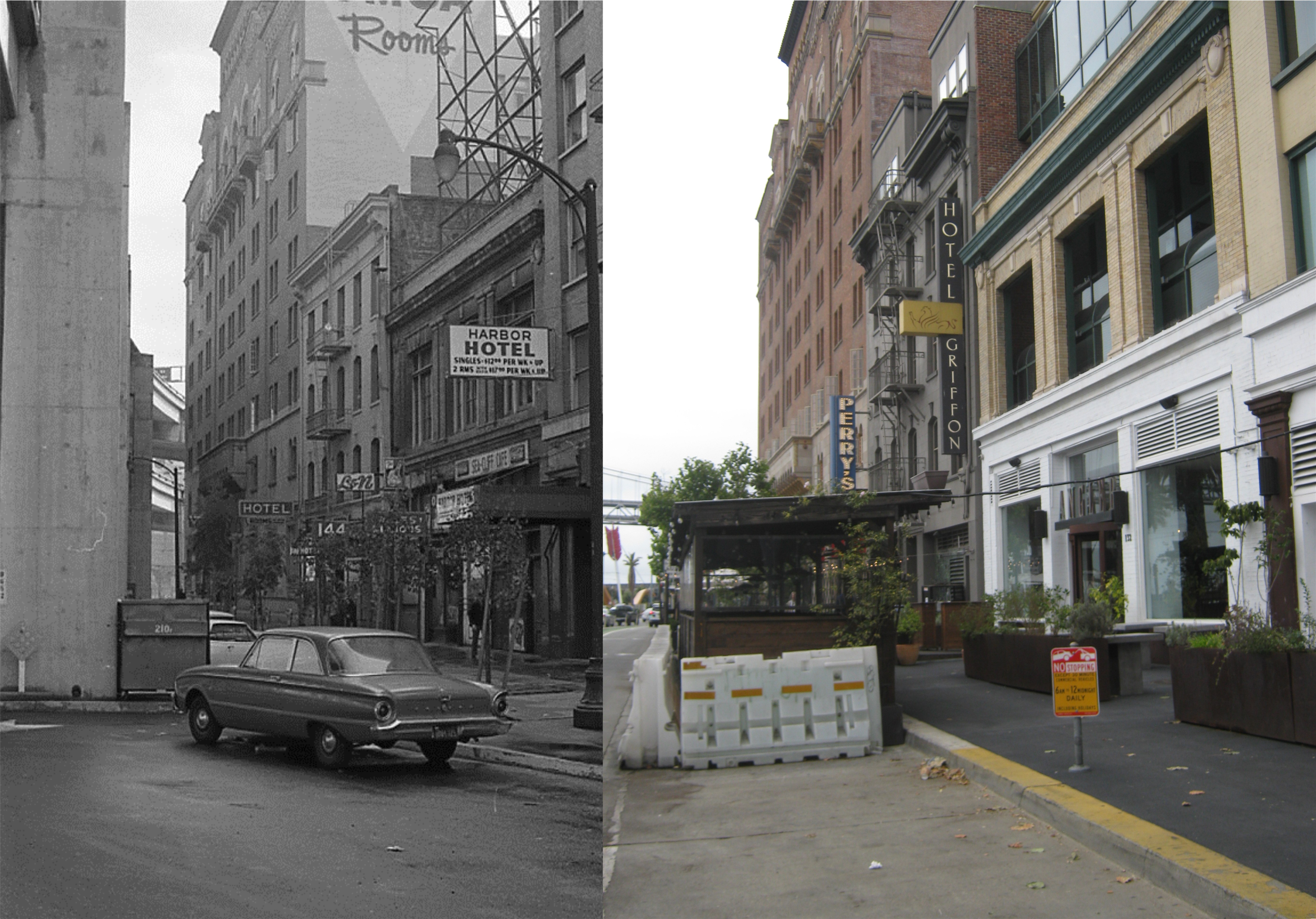
The Embarcadero, south of Market Street, and a hotel that was so seedy they didn’t even give it a name: (San Francisco Public Library Archives)


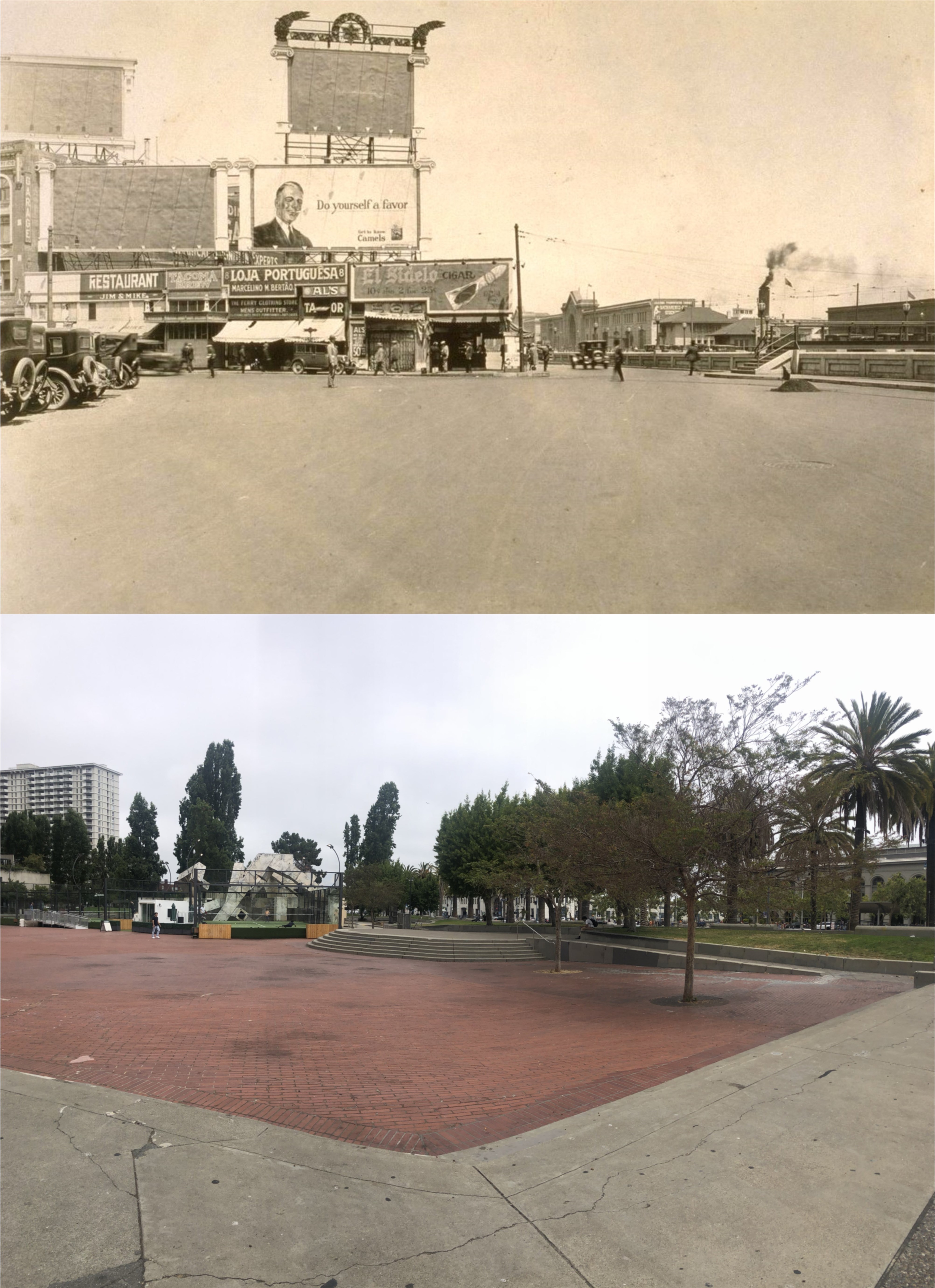
The spot where the Embarcadero Plaza is now during the 1920s: There’s a lot of talk lately about expanding the area and carpeting it with grass, and also getting rid of the Vaillancourt Fountain. (UC Berkeley Library Archives)


The Embarcadero Plaza, south of the Ferry Building during the 1970s, with the notorious Embarcadero Freeway: (San Francisco Public Library Archives)


Clay Street, when it used to come into the Embarcadero: What’s wrong with this picture? Embarkadero (!) (UC Berkeley Library Archives)


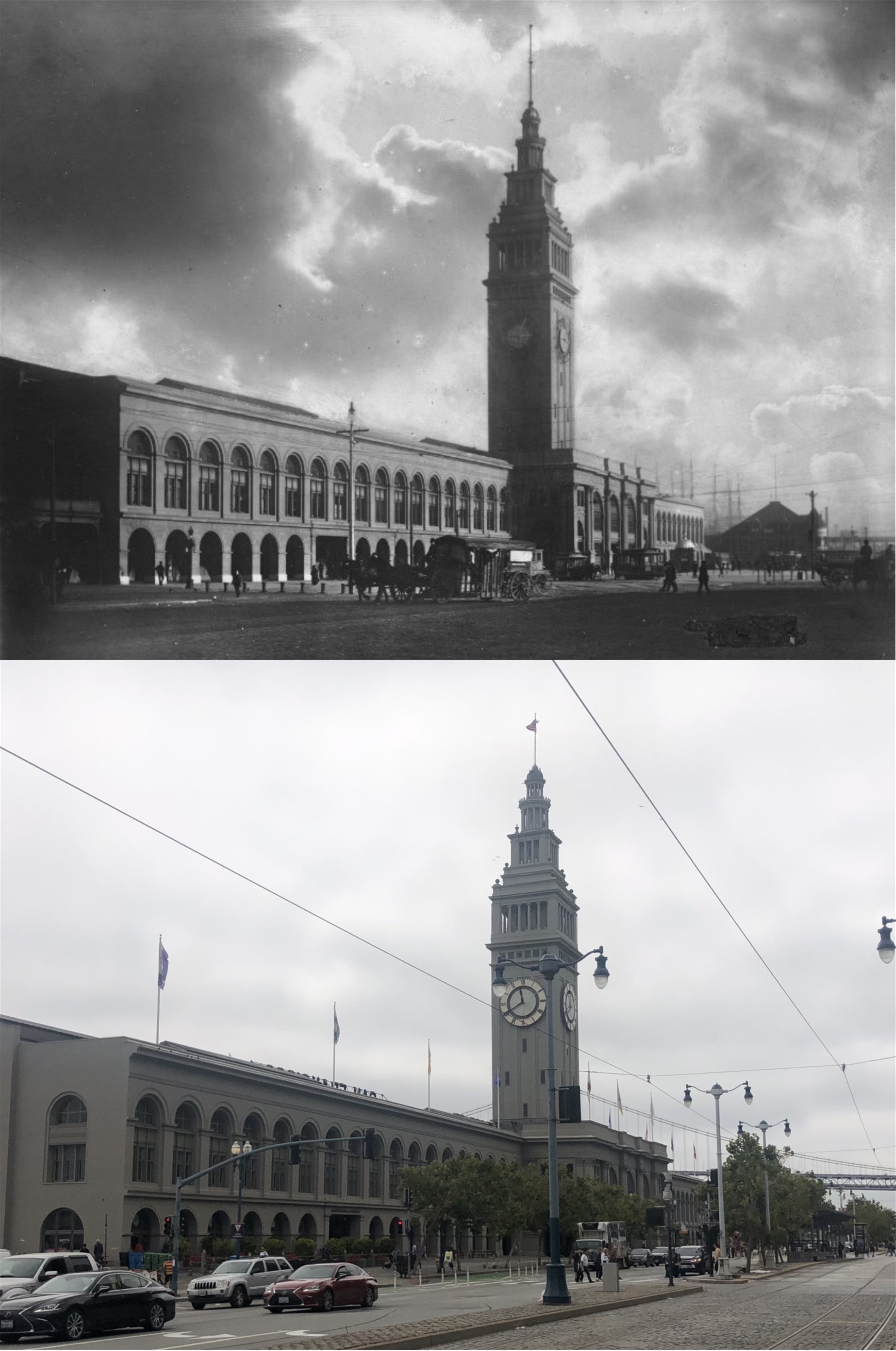
A dramatic picture of the Ferry Building on a cloudy day: (San Francisco Public Library Archives)


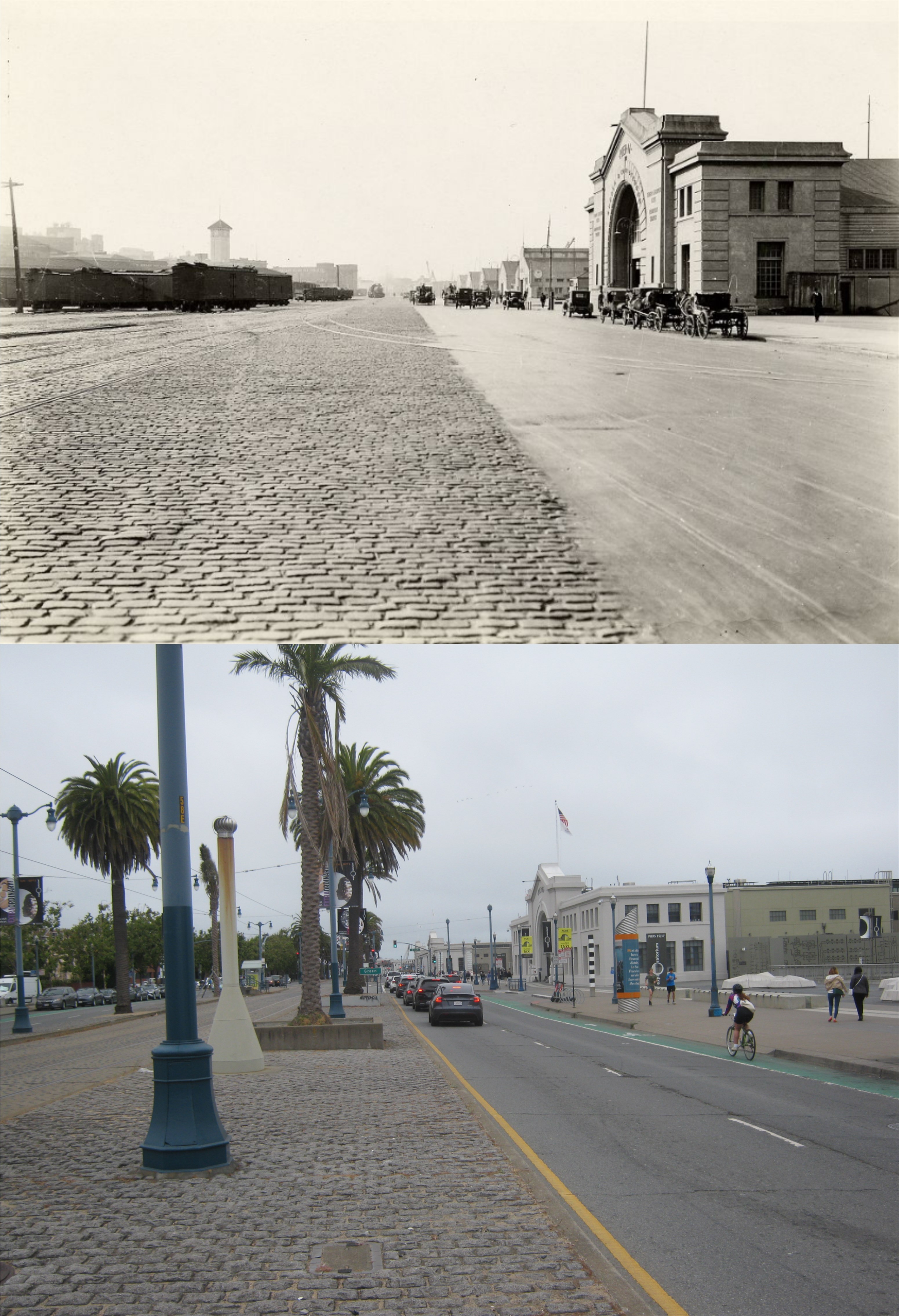
Piers 19 and 17: Pier 17 is where the Exploratorium is now.  (San Francisco Public Library Archives)


The Embarcadero, looking north from Pier 11 in 1926: Pier 11 has been demolished and was about where the girl on the bike was. (San Francisco Public Library Archives)


The historic Audiffred Building on the corner on Mission Street and the Embarcadero: (San Francisco Public Library Archives)


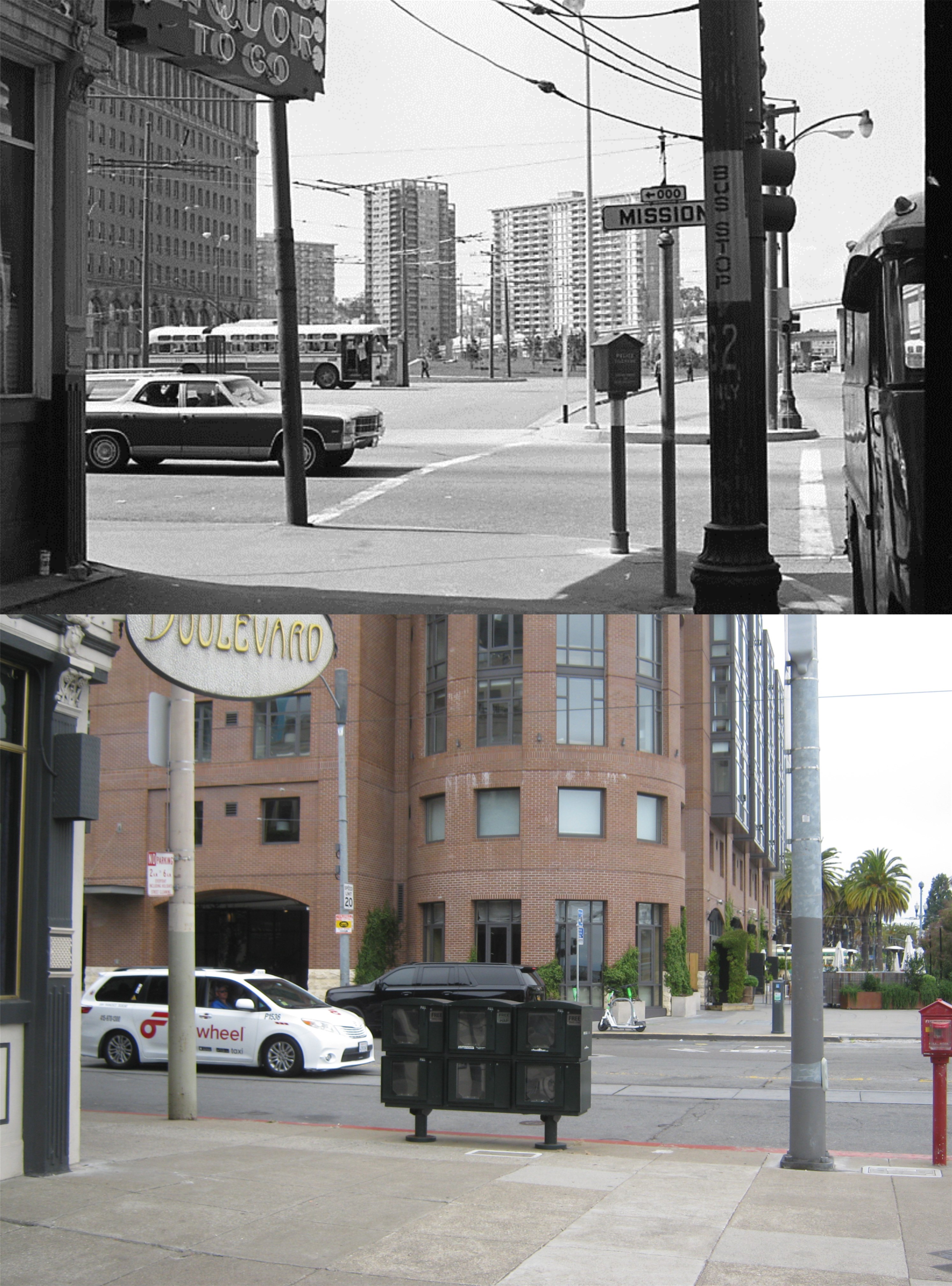
Looking back from the Audiffred Building toward a couple of station wagons: (San Francisco Public Library Archives)


A Falcon in San Francisco: Reminds me of an old movie. (San Francisco Public Library Archives)


“Pick a street, any street. Okay, Polk Street.” (For Charlotte and Amelia)

Polk Street, one block east of Van Ness, is another street I never pay much attention to. I don’t know why; parts of it are historical and entertaining. Besides, any street that connects to a cable car line deserves exploring. It runs from Market Street at the Tenderloin past the government buildings where the city’s civic leaders make all of their wise decisions, (pause for yays and boos) and ends up in touristville. (Thumbnail images)


We’ll start at the Polk Street entrance to City Hall. I don’t know what this patriotic event from long ago was, but I don’t think they do things like this around here anymore. (San Francisco Public Library Archives)


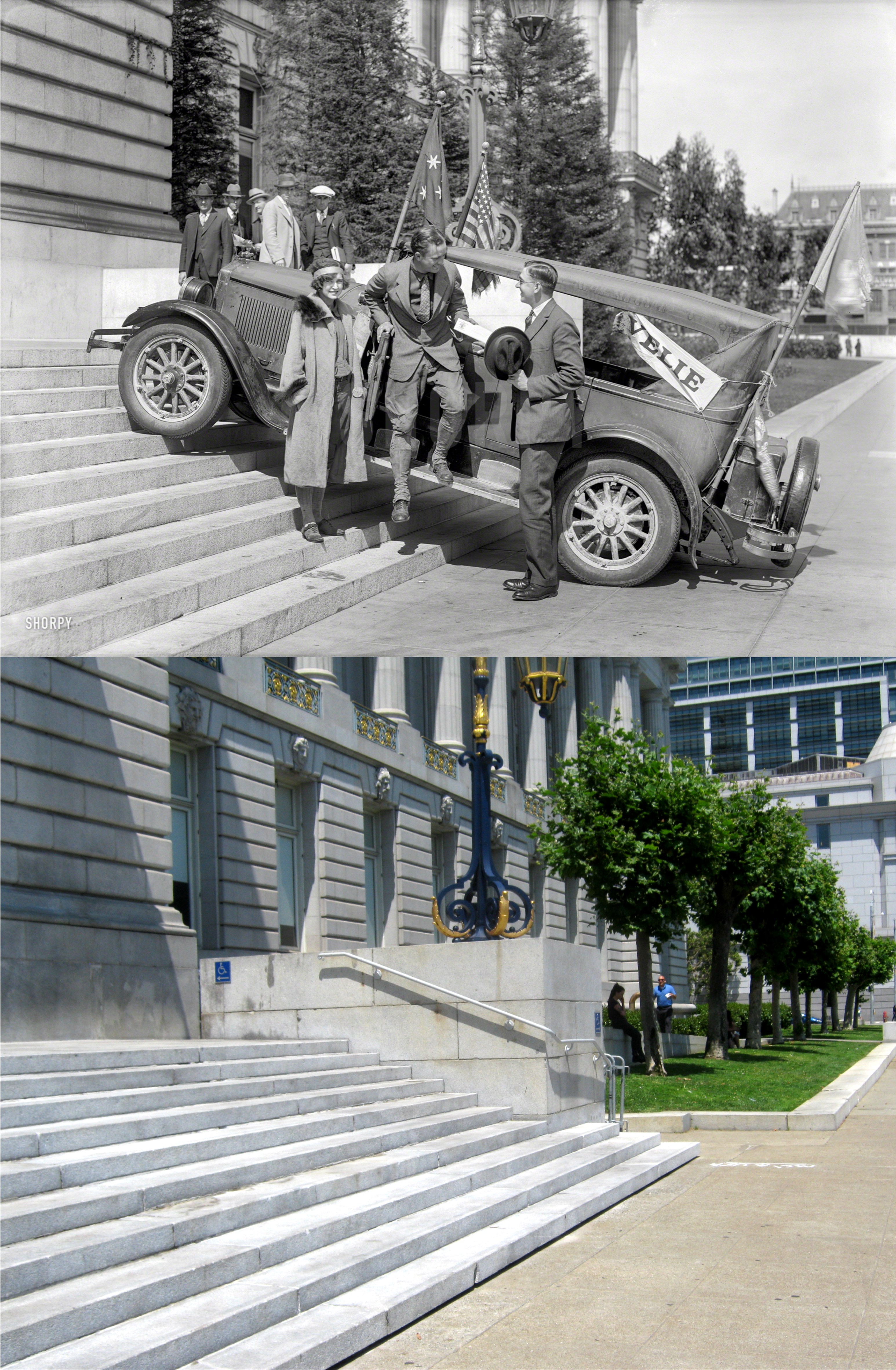
You can’t drive a car up City Hall Steps anymore, either. That, PROBABLY, wouldn’t go over too good nowadays. (Shorpy Archives)


An opensfhistorg.org picture, looking north from Golden Gate Avenue in 1920: The large building in the center background is the California Hall, a “splendid survivor” since 1912: I had to look up who George B. Seitz was from the billboard on the right. He was a screenwriter and director of films from 1914 until his death in 1944. His serial film ‘Pirate Gold’ is now considered a lost film. (Source, Wikipedia)


Polk Street looking north from California Street in 1974: Mug Root Beer ads were on MUNI buses all over town back then, including one in a scene from the 1971 film ‘The Organization’ starring Sidney Poitier. (SFGate)


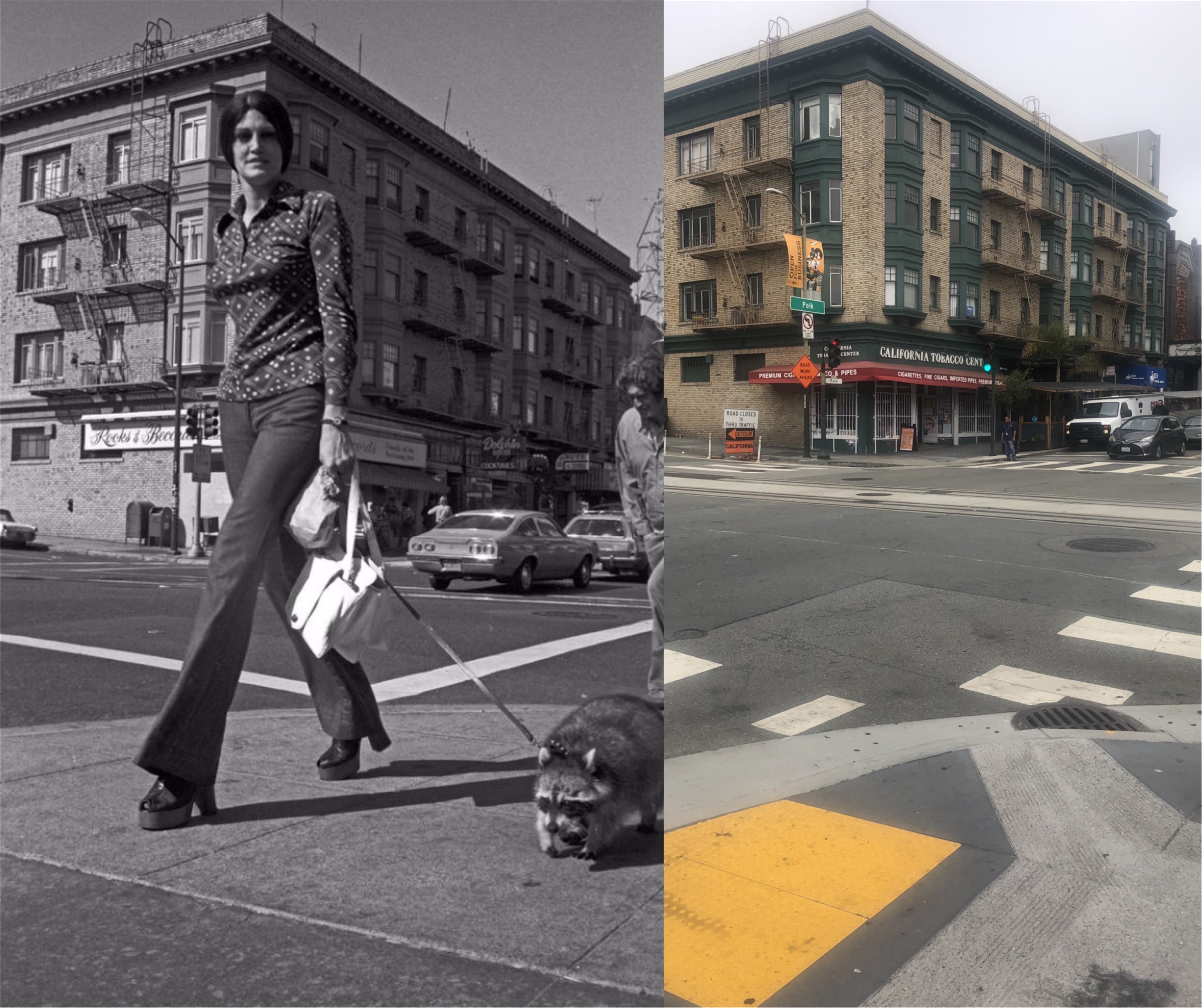
A Polk Street princess walking her pet raccoon on the southeast corner of California and Polk Streets during the 1970s: In any other city that might seem weird, but in San Francisco…… that seems weird! (Street Scenes of San Francisco)

 Well, the Littleman Grocery Store building, at 2139 Polk Street, is still around. “Little man, you’re in the dizzy Bay.” (San Francisco Public Library Archives)


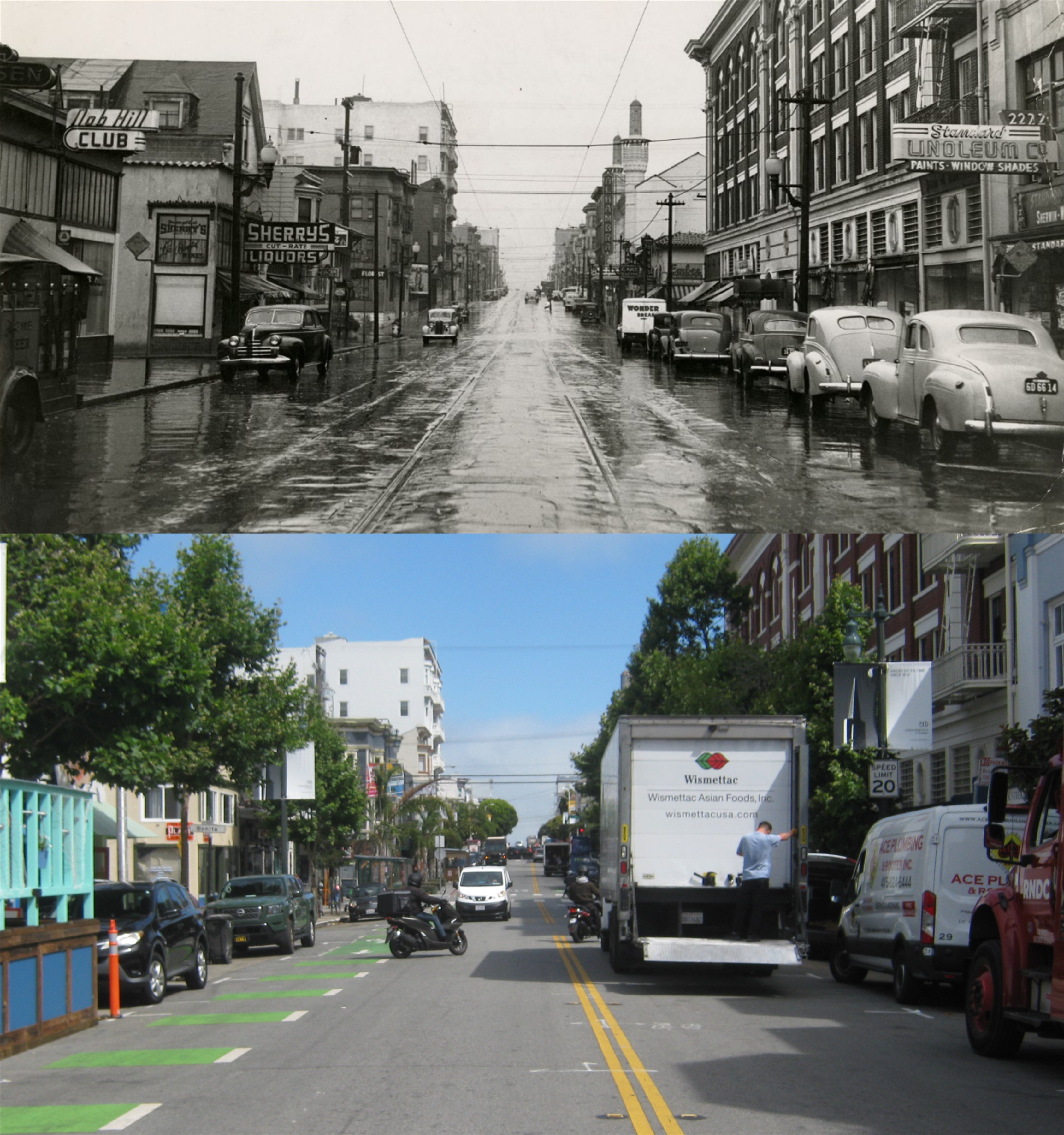
Polk Street, looking north from Vallejo Street on a rainy 1940s day: (San Francisco Public Library)


You can’t see it in the previous comparison picture, but the building where Sherry’s Liquors was is still around.


Polk Street stops northward at the Maritime Museum on Beach Street. The Ghirardelli Square Building is in the right background of both pictures. (SFMTA / San Francisco Pictures Blog)


‘EMERGENCY!’

I don’t remember watching the television show ‘Emergency!’ during the 1970s, (of course, I don’t remember much of anything about the 1970s) but I stumbled on to a 1979 TV movie of the show where the last two episodes were filmed in San Francisco; the show was usually shot in Los Angeles. The last two episodes, ‘WHAT’S A NICE GIRL LIKE YOU DOING…’ and ‘THE CONVENTION’ have some terrific location filming around San Francisco. ‘ WHAT’S A NICE GIRL LIKE YOU DOING…’ has an incredible fire and explosion scene on Pier 5 that would be impossible to film today, either economically, logistically, or in getting permission from the City of San Francisco to film it. I was able to find the episodes on DVD, so I could do some updating. (Thumbnail images)


The opening of ‘WHAT’S A NICE GIRL…’ has the obligatory aerial shot of San Francisco. Hey, Patty McCormack! Like Linda Blair as Regan MacNeil in ‘The Exorcist’, Patty will always be remembered for her opening role as Rhoda Penmark in ‘The Bad Seed’.


Later in the episode, careless workers dismantling an old ferryboat at Pier 5 accidentally touch off a fire near combustible material.


Back then the structures of Piers 5 and Piers 7 were removed, but the piers were still there. The façade of Pier 5 is still there today, Pier 7 is a walking pier now. Look at the explosion the film crew members were allowed to create on Pier 5.


The building of Number One Market Street and the Hyatt Regency can be seen from Pier 7, Number 4 Embarcadero Center hadn’t been completed yet when the scene was filmed.


A worker rushes out of Pier 5 to pull a fire alarm.


Help is on the way. This is looking toward Piers 1 and 3 from underneath the Embarcadero Freeway.


Arriving at Pier 5, the Embarcadero Freeway is on the right.


People gather as fire trucks also turn in between Piers 5 and 7. Pier 7 was a parking lot for cars back then. The orange and yellow awnings in the background are on the building where the Waterfront Restaurant is now.


An ambulance arrives from the north and turns into Pier 5 at Pacific Avenue.


Look at the controlled fire the film crew was allowed to use. Obviously there were a lot of official firefighters on the scene, as well.


The fire is brought under control with the help of trusty fire boat Phoenix, the ‘fire boat that could’. I wonder if the Phoenix is still around.


Of course, I couldn’t close without a shot of Patty McCormack. John Gage (Randolph Mantooth) is saying to her, “What would you give me for a basket of hugs?” and she’s saying, “I’d give you a basket of kisses.”


Big plans

The following are pictures of areas around San Francisco where City Hall is knocking around ideas concerning changes or improvements to. I’ll also include a few changes that have turned out for the better concerning the aesthetics of the city of San Francisco. (Thumbnail images)


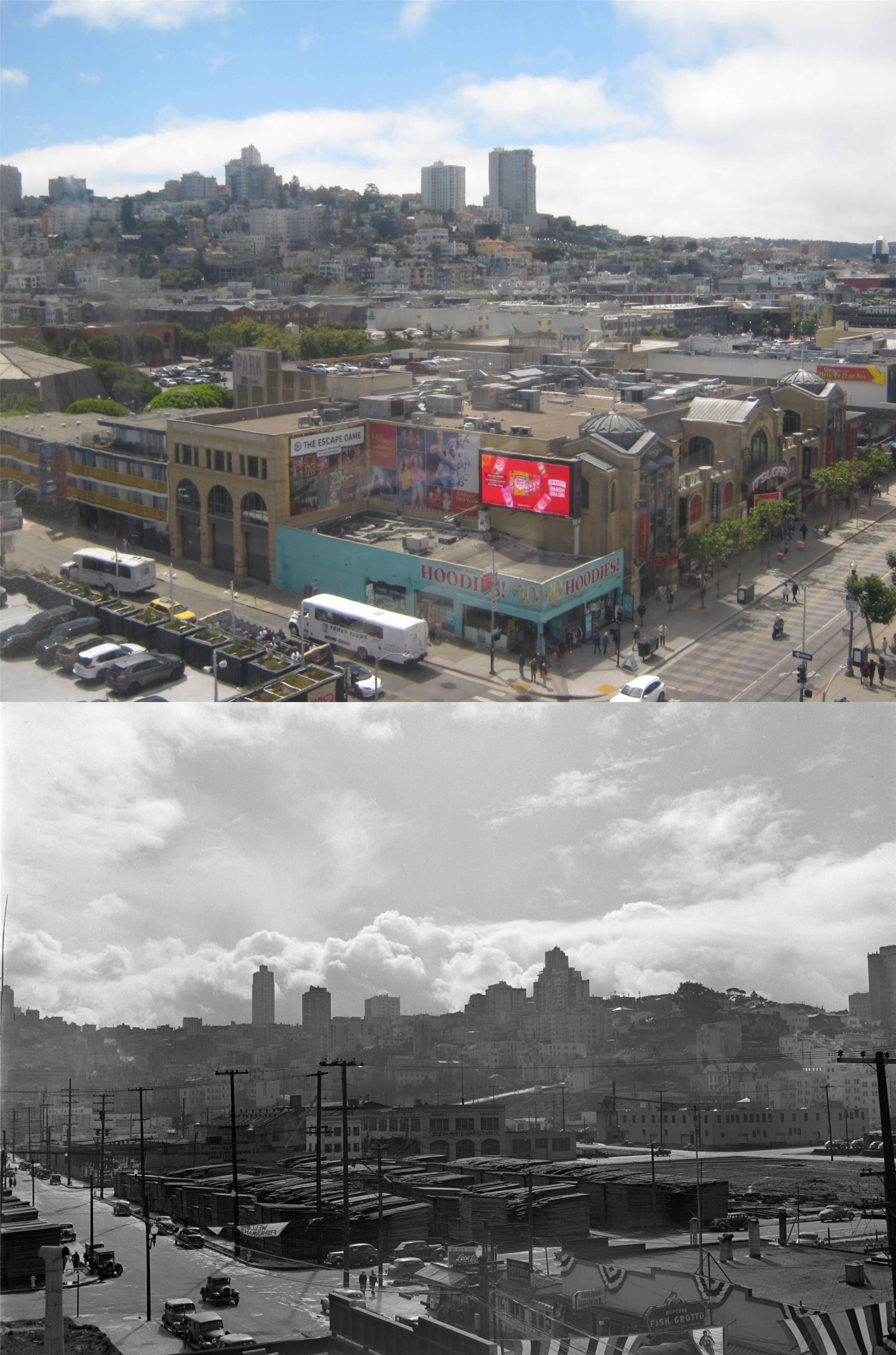
First stop is the intersection of Sacramento and Front Streets, looking down from the Embarcadero Center: The older phot0 is from a slide picture I took during the 1980s. Last month, the San Francisco Chronicle ran an article stating that San Francisco has plans to change this stretch of Front Street into an ‘entertainment zone’.


Next, we’ll head out to the ocean. There are proposals being pushed forward to close this portion of the Great Highway, seen in 1919 in the opensfhistory.org picture, to automobile traffic. I don’t know how I feel about this; it’s nice to get from the Cliff House to the zoo in five minutes!


This is a rendition from the Friends of the Great Highway of how the area will look if it’s closed to cars.


And what is happening to the Cliff House? It’s scheduled to reopen by the end of this year, but no one knows how it will look. It apparently won’t be called the Cliff House anymore, although it will always be known as the Cliff House to me, and many others.


Now we’re back on the east side of the City, looking down Vallejo Street to the Embarcadero. The top picture is a slide I took in the mid 1980s. I have problems with this next proposal.

I first became interested in this view after watching a scene from the 1956 film ‘Hell on Frisco Bay’, starring Alan Ladd. Ladd portrays a disgraced police officer who went to prison for manslaughter conviction that he didn’t commit. He hides in Hodges Alley, off Vallejo, and pursues a lady who may lead him to the real killer. The film stars Edward G. Robinson, so see if you can guess who the real killer will turn out to be. Notice the building with the rooftop parking in the lower right can be seen in the film captures.


The plan is to build this frightening looking thing where the old parking garage is located that will block out most of the view of the Bay from further up Vallejo Street. Let’s hope that cooler heads prevail. (Handel Architects)


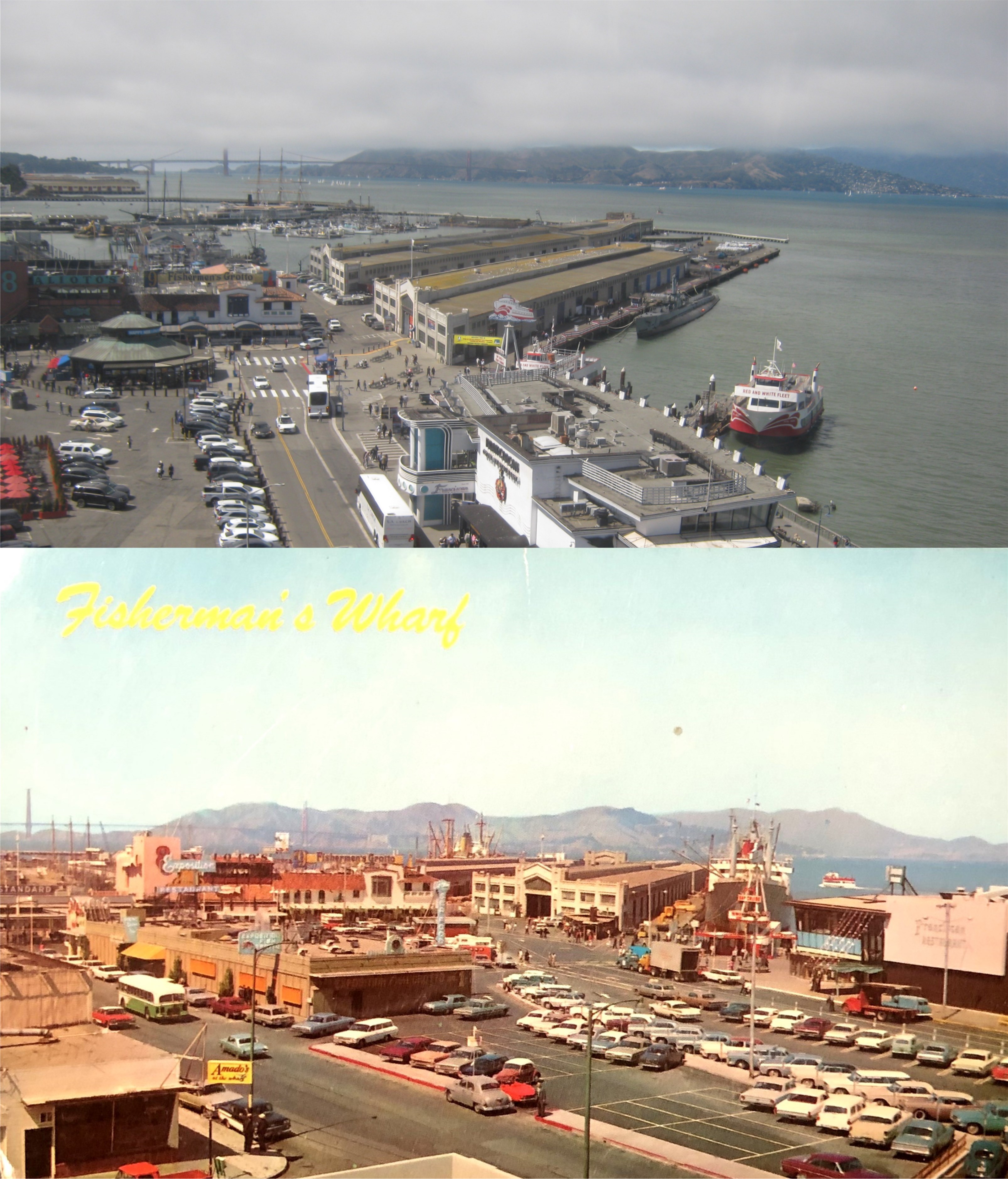
This one scares me too. Since all of the major restaurants are closed now along what used to be called ‘Fish Alley’, I’m hearing from some of the people working in Fisherman’s Wharf that there’s talk of demolishing the buildings here for some type of a promenade. I don’t think that there’s anything to the talk, because, open or closed, this view of the area at sunset is one of the things that San Francisco is all about.


This rendering from sf.eater.com doesn’t look like the plan includes demolishing the building that separate Taylor Street from Fisherman’s Wharf Lagoon.


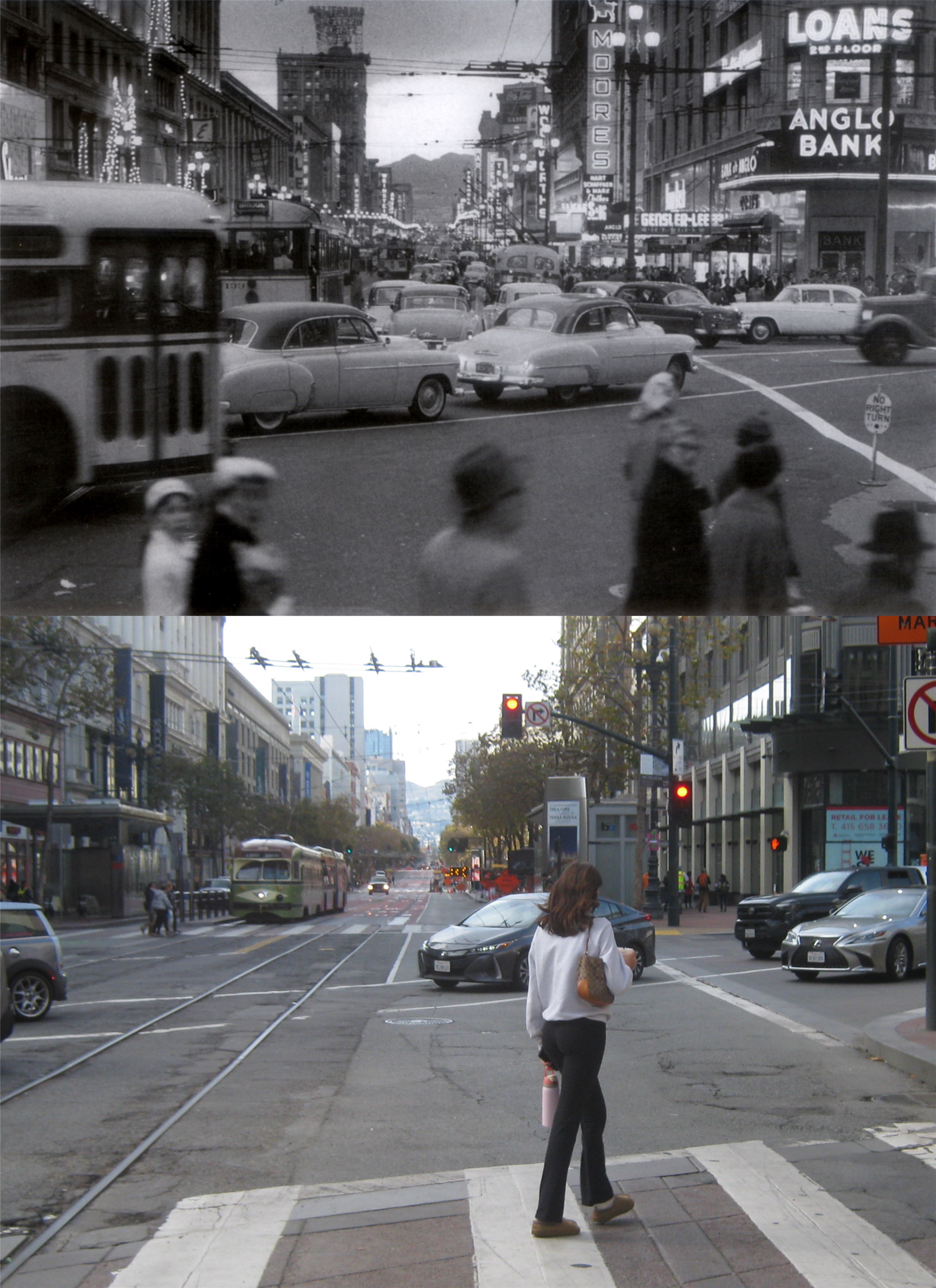
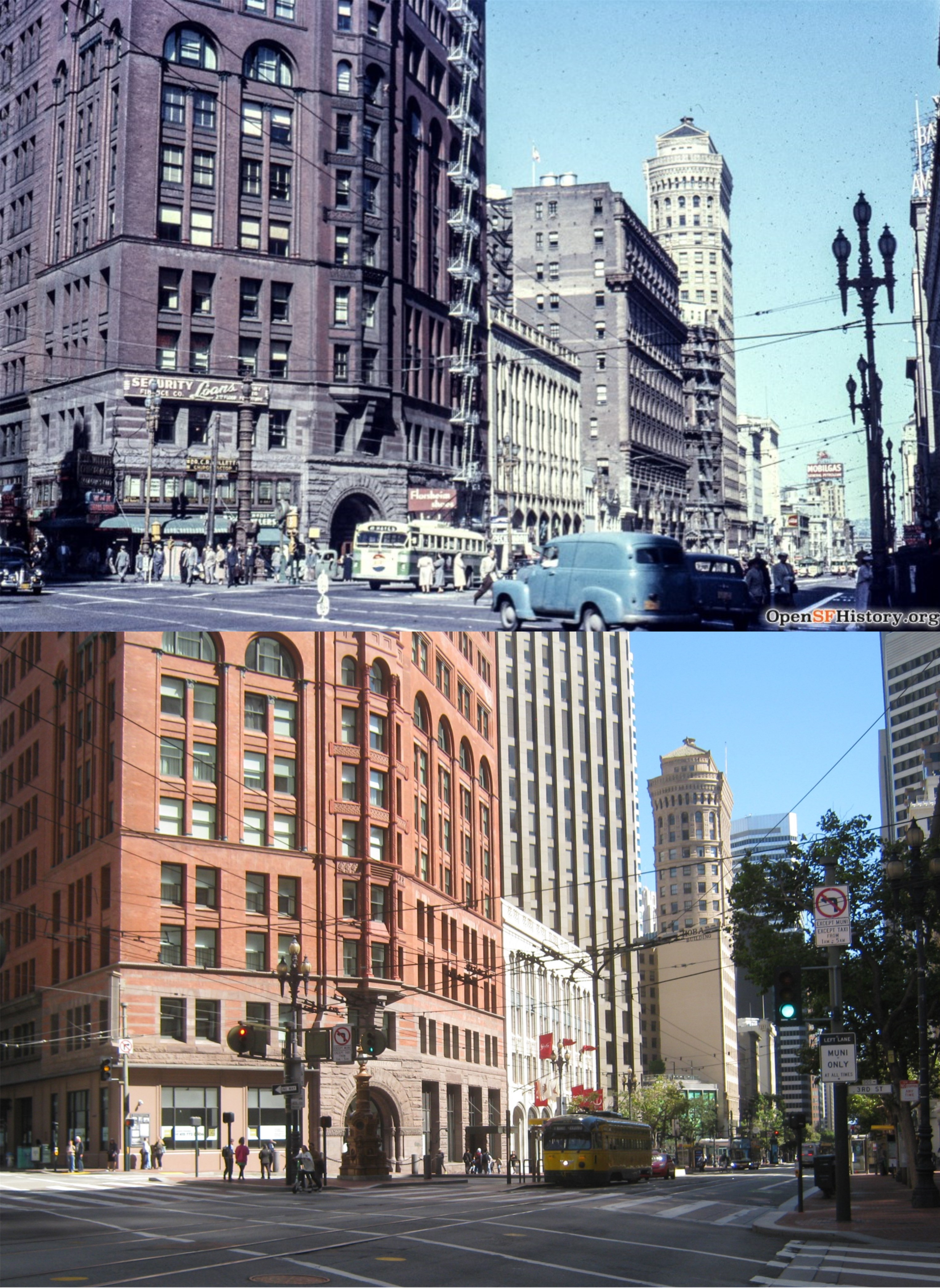
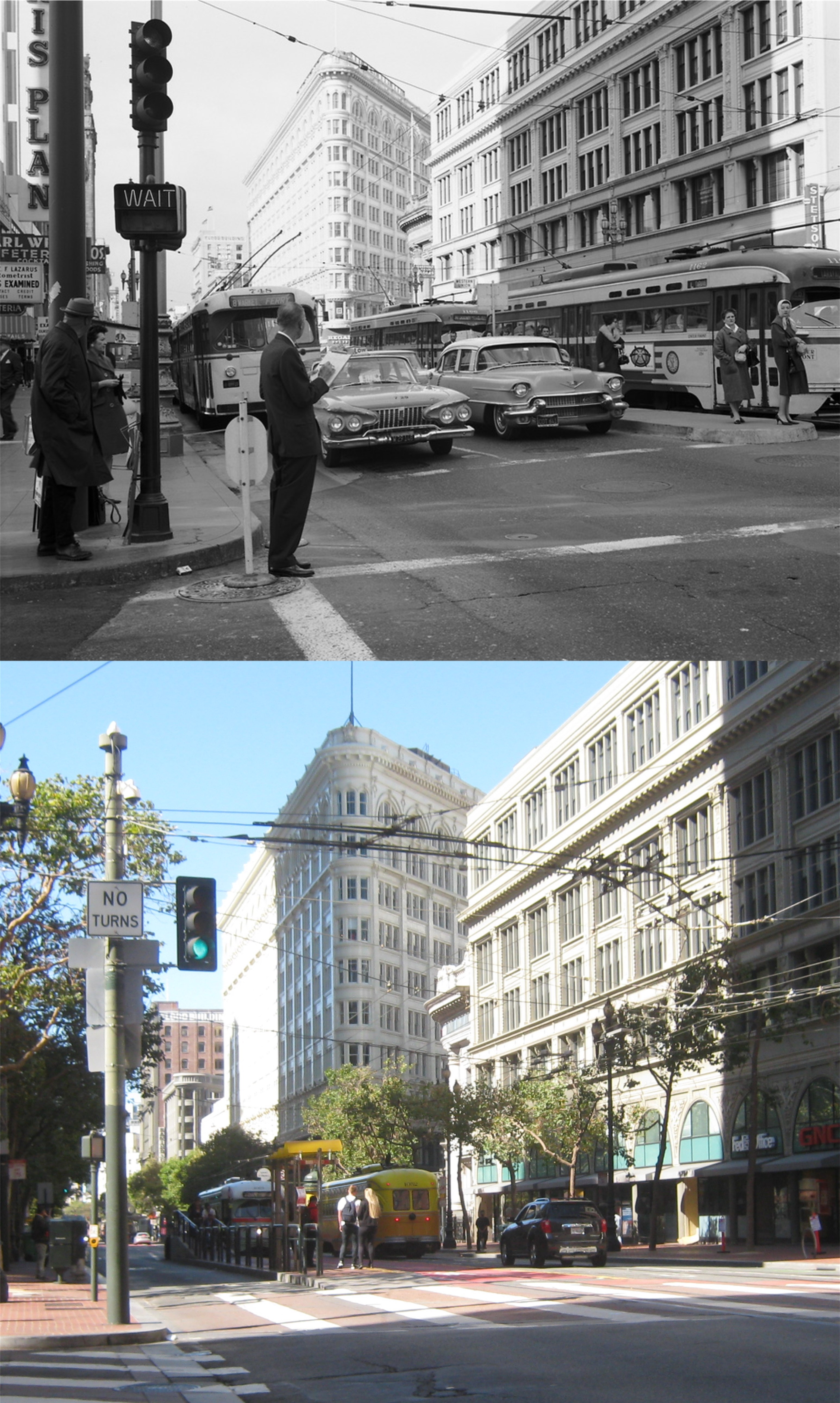
Powell Street between Market Street and Union Square: Although it’s not as dismal as it’s made out to be, it could be made more pedestrian friendly.


This sketch from unionsquaresf.com shows what the area may look like with the changes; I’m all for places where you can just sit for awhile and watch cable cars pass by.


This drawing from Transbay Joint Powers Authority shows what the Salesforce Transit Center will look like when the Portal Project extends Caltrain to the Mission Street Terminal. This will be the first time trains have reached this spot since the old Key System was discontinued in 1958.


The entrance to the old Transbay Terminal and the new Salesforce Transit Center: Although, I have fond memories of the old terminal, the new transit terminal is nothing short of beautiful.


The rooftop of the Tranbay Terminal and the rooftop park of the Salesforce Transit Center. The park on top of the new transit hub is one of the finest things San Francisco has done in decades.


I’ll close with a slide picture I took in 1991 while they were demolishing the Embarcadero Freeway. I drove on it often. It made getting to Chinatown easier, it made getting to North Beach easier, but I don’t miss it at all.

“Pick a street, any street. Okay, Commercial Street.”

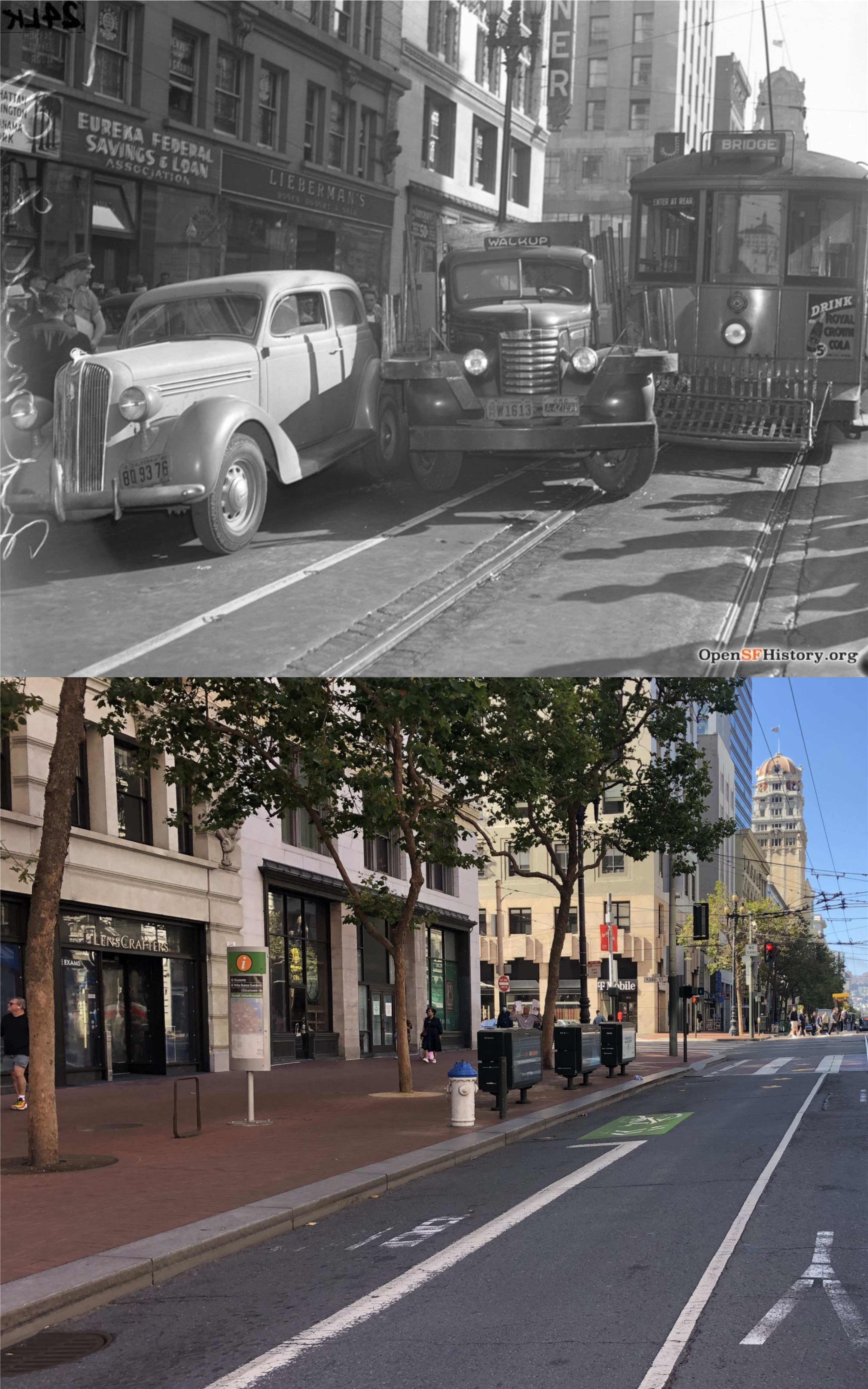
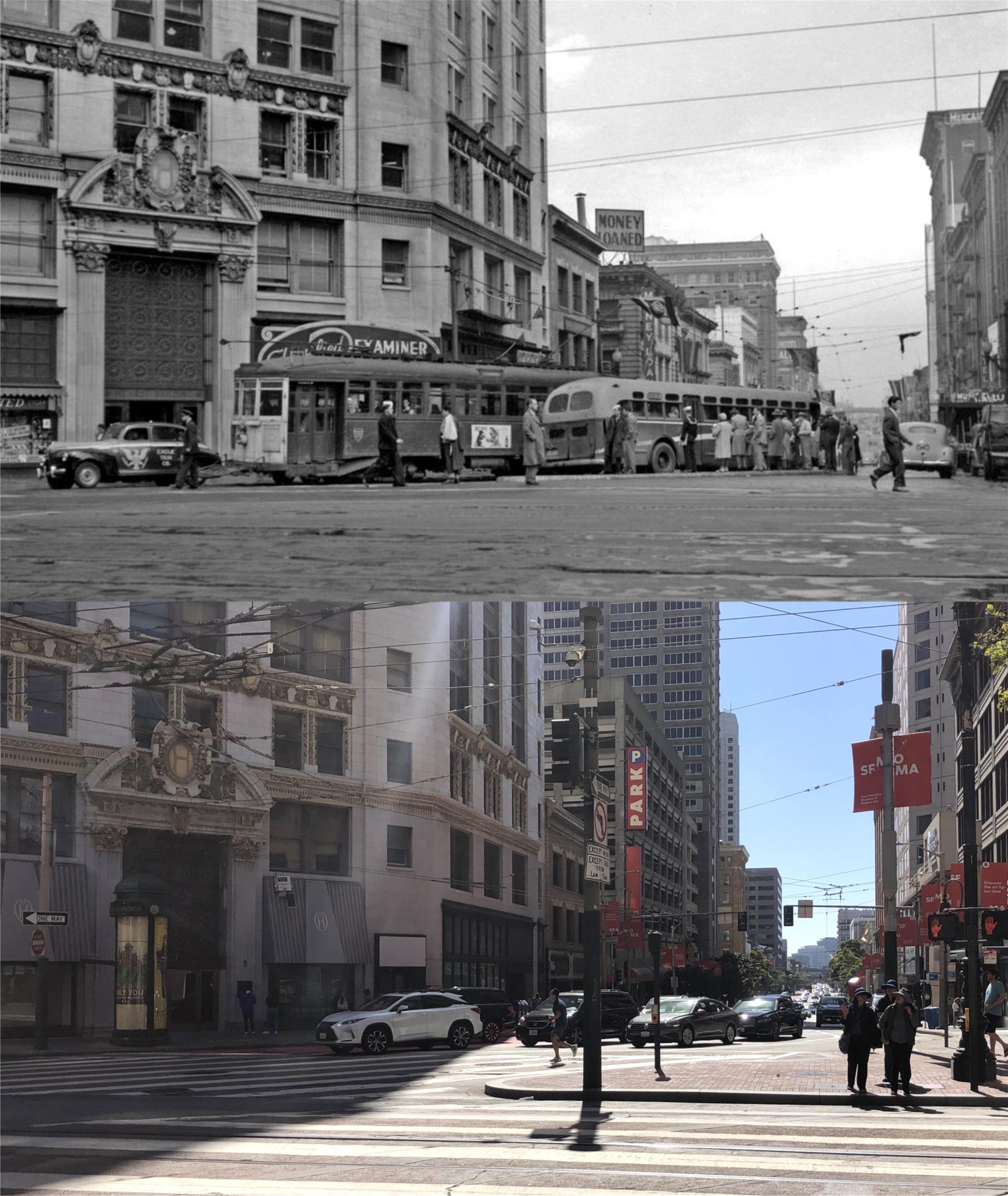
Herb Caen once wrote that Commercial Street is the only street besides Market Street that runs directly to the Ferry Building, and he was right; Sacramento Street just misses it to the south and Clay Street to the north. Commercial used to run from Grant Avenue, Chinatown, to the Embarcadero, but it stops now at Battery Street due to the construction of the Embarcadero Center. I took a walk down Commercial Street last Sunday, updating some vintage pictures that were taken along the street. (Thumbnail images)


We’ll start where Commercial Street plunges down eastward from Grant Avenue. The view is looking south down Grant Avenue in 1963. (opensfhistory.org)
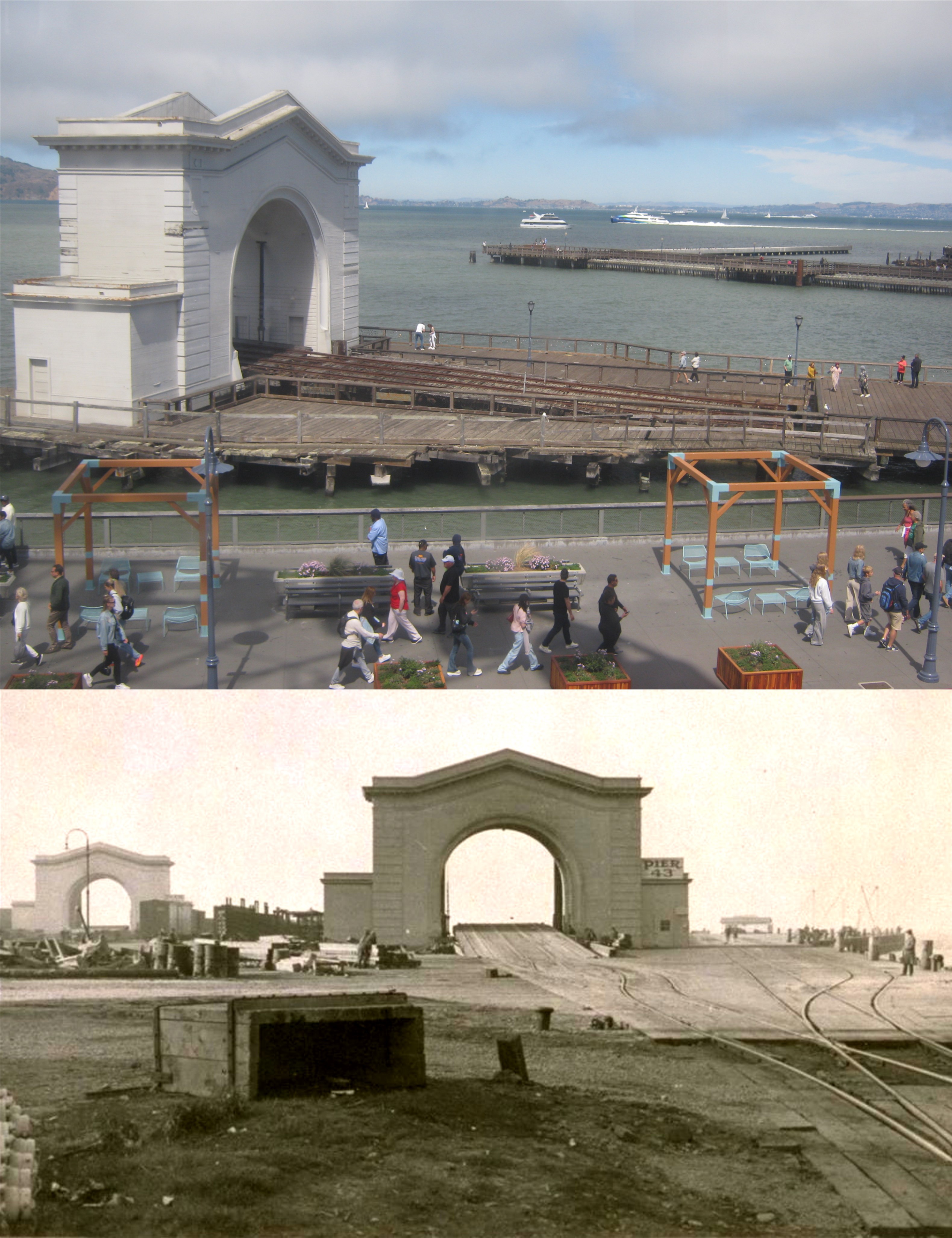
  

Looking down Commercial Street from Grant Avenue in 1960: That’s Bruce Lee on the mural at the right in the modern picture. (opensfhistory.org)


Commercial Street, looking down from Grant Avenue after the 1906 Earthquake and Fire: (UC Berkeley Library Archives)


Approaching Kearny during the 1950s: (San Francisco Public Library Archives)


Commercial Street levels out after you cross Kearny, continuing east. The photo on the left is a slide picture I took in 1983, and the update on the right was taken last Sunday.


As you approach Montgomery Street, you’ll come to the site of the first Mint established in San Francisco in 1852. A historical marker has been placed on the building commemorating the site, and another building has been build over the old Mint since the 1940 picture was taken. (Shorpy Archives)


An undated picture of an old brewery on Commercial at Leidesdorff Street, taken before the Transamerica Pyramid Building the background was constructed in 1972: (San Francisco Public Library Archives)


Commercial at Sansome Street in 1959: If you look hard enough….. you’ll notice that you can’t see the Ferry Building from here anymore. Actually, you probably still could if it wasn’t for that tree that they seemed to be so fascinated by in last Sunday’s picture. (opensfhistory.org)


Now we’ve reached what used to be the 100 block of Commercial Street. The Embarcadero Freeway is in the background of the vintage picture from Nancy Olmsted’s book ‘Ferry Building: Witness to a Century of Change’.


This is where Commercial Street emptied into the Embarcadero before the Embarcadero Center was build. The vintage picture is from the Charles Cushman Archives.

Tours by Tim

The summer’s approaching, and that means family visitors from out of state. They wanted to see as much of San Francisco as they could in three and a half days, so I took the tour guide job and enjoyed every minute of it. San Francisco is always a little lonelier to me for awhile after they leave. (thumbnail images)


On the first day, after boba tea in Chinatown and a cable car ride up Nob Hill, I took them to the top of the Mark at the Mark Hopkins Hotel. The view is a lot different from there now than from the old postcard from ebayimage.com.


After hearing the story of how it got its name, the kids wanted to pose in “Weepers Corner” on the northwest side of the top of the Mark.


The Point Bonita Lighthouse in Marin County, north of the Golden Gate Bridge: I can’t take credit for this location idea, I had never been there before, but my visitors wanted to see it. (lighthousefriends.com)


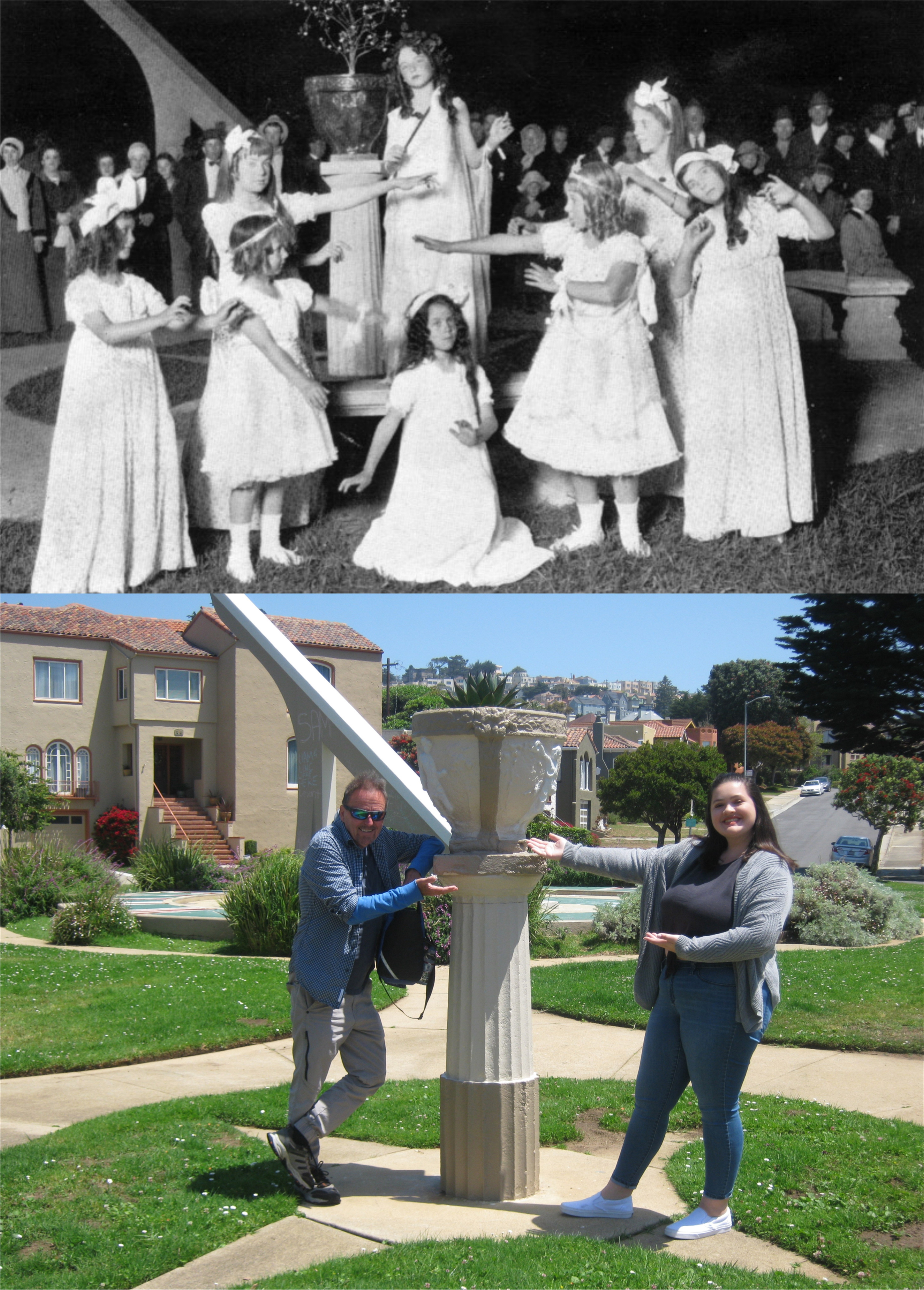
The Urbano Sundial: “Made it Ma, top of the world!” (Ingleside Terraces Homes Archives)


The obligatory visit to Ocean Beach, and perfect weather for it: (opensfhistory.org)


A boat ride out to Treasure Island for a late lunch at the Mersea Restaurant and Bar: (opensfhistory.org)


But for me, the highlight of the visit was last Saturday. They put together a gathering on board the Jeremiah O’Brien Liberty Ship to commemorate the 80th anniversary of the D-Day, Normandy, Invasion, and the kids got to come on board. There were commemorations, period clothes, and a Rosie the Riveter contest, among the honors. I wore the uniform my father wore when he served on the USS Wichita Cruiser during World War ll, and I got to chat with Carl Nolte, on my right, who writes the ‘Native Son’ column for the San Francisco Chronicle. Mr. Nolte traveled with the Jeremiah O’Brien thirty years ago when she sailed back to Normandy for the 50th anniversary of D-Day chronicling the journey with daily updates for the picture. It wasn’t the first time the Jeremiah O’Brien visited Normandy, she was there for the original invasion on June 6th 1944. The picture from shopify.com is of the Jeremiah O’Brien sailing through the Thames Bridge in London for the 1994 anniversary. My brother, Kevin, on my left, is one of the O’Brien’s crew members who helped put the commemoration together, and we were his guests.


You don’t celebrate the Memorial Day Holiday….. You observe it

That reminds me of a talk show I was watching long ago, with Lee Marvin as a guest. The host said to Marvin, “I understand that you were awarded a Purple Heart.” for Lee’s service during World War ll. Marvin, who was wounded during the battle for Saipan, replied, “You’re not awarded a Purple Heart, you’re given one. I’d rather not have received it.” I’m looking back over several military oriented posts I’ve shared in the past, some of them directly concerning Memorial Day, in honor of those who “gave the last full measure of devotion” so the rest of us can enjoy the weekend. These are some of the places where they will be remembering the real meaning of the observance. (Thumbnail images)


They’ll be observing the day in the Presidio, where the old Military Hospital Building is. They once had a great Army Museum in this old building.


Soldiers gearing up for battle during the 1898 Spanish-American War. “Bully!”


The old Montgomery Barracks in the Presidio, dating back to the 1800s: The top picture, where the old Parade Grounds were, I took in 2007. Nice pickup truck in the earlier picture. If you’re wondering if it still runs, yes, it does.


When the Presidio was mostly closed to the Army:


A Memorial Day service in May of 1943 at the monument to the Unknown Dead at the Presidio Military Cemetery: (Vintage picture, San Francisco History Center)


San Francisco is first and always a navy town. This is a 1985 picture I took of the USS Enterprise, sailing into the Bay under the Golden Gate Bridge during the October Fleet Week.


The USS Tennessee sails into the Bay under an unfinished Golden Gate Bridge in the 1930’s, and the battleship USS Iowa sails out to the Pacific Ocean under the bridge in May of 2012: This was almost certainly the last time a battleship will sail under the Golden Gate Bridge.


Old Fort Mason, in a slide picture I took in 1985, and an update in 2018. The area is quiet now, but the amount of activity that went on here during the Second World War was incredible, and many military people left from here that didn’t make it. It’s those we honor this weekend.


A picture honoring survivors of the Bataan Death March on a marker at the old train stop building, still there, at Fort Mason:


They’ll be commemorating the weekend onboard CV-12, the USS Hornet in Alameda, as well.


The World War ll submarine, the USS Pampanito, will be remembering the 52 United States submarines with their crews that didn’t make it home during the war.


And the crew of the Liberty Ship, the Jeremiah O’Brien, held their Memorial Cruise last weekend. My pictures were during the 2018 Memorial Cruise. Next weekend, the Jeremiah O’Brien, a survivor of the 1944 Normandy Invasion, will be holding another event to honor the 80th anniversary of D-Day.

The City as Suydam saw it

The City as Suydam saw it; like Professor Harold Hill’s Gary, Indiana, it kind of rolls off the tongue. Edward Howard Suydam, pronounced Soo-damn, was an illustrator, born in 1885 and died in 1940. There’s not a lot on the internet about him, he came to my attention, due to his sketches that are in two San Francisco biographies written by Charles Caldwell Dobie during the 1930s,’San Francisco, a Pageant’ and ‘San Francisco’s Chinatown’. Although Dobie’s books are interesting histories of San Francisco as well as vintage tours of the city during the 1930s, they’re not without imperfection. For example, his racist remarks on his description of the 1930s South Park in ‘San Francisco, a Pageant’ is hard to take. However, E. H. Suydam’s pencil drawing, many in areas of the city not usually covered by artists, are fun to look at. I’ve covered some of his drawings in the past, and here’s another collection I did recently trying to duplicate in photograph some of his pencil sketches. (Thumbnail images)


O’Farrell Street, looking toward Market Street and the Call Building: This would have had to have been drawn no earlier than 1939 when the Call Building was remodeled and its dome removed.


Market Street, looking toward Mason Street and the old Admission Day Monument: The monument is now located at Market Street and Montgomery. The Western Insurance Building on the left has been remodeled and is still there.


Looking toward the Clift Hotel on Geary St. from Mason Street:


The old Pacific Stock Exchange Building on Pine Street at Sansome, with the Russ Building on Montgomery Street in the background:


Old Beckett Alley in Chinatown, once notorious for having the most brothels of any street in San Francisco:


California Street at Grant Avenue in Chinatown, looking toward St. Mary’s Square: The Russ Building can barely be seen from here now.

‘Far from the Madding Crowd’, part two

It might not make much sense that a person would escape to Disneyland to get away from a crowd. As I’ve mentioned, I have an income tax filing practice, and the “madding crowd” of March income tax filers is far more stressful to me than any Disneyland crowd has ever been. I had family flying out from Virginia to visit Disneyland at the beginning of this March, and they wanted me to be there. I knew that I’d get behind in my work, but I’ve never been to Disneyland in March, and it didn’t take much for a Disneyland revelation like that to get me to go. Before I headed down there, I found a collection of interesting pictures taken by a photographer named Larry Syverson on a visit to the park he took with his girlfriend in August of 1969. The Disneyland before the New Millennium of California Adventure and Downtown Disney is the Disneyland I have the most memories of.  It’s probably why I keep going back there, so I did some updated photos of Syverson’s 1969 images of Disneyland the way it was. (Thumbnail images)


The Sleeping Beauty Castle:


The old French Market in New Orleans Square: That’s Larry’s girlfriend in the pink striped outfit.


Tomorrowland and the old People Mover Ride: The People Mover track is still in Tomorrowland.


It’s a Small World, and Larry’s girlfriend again on the left:


The riverboat Mark Twain in Frontierland before the opening of the Big Thunder Mountain Ride:

The Monorail Station, the People Mover Ride and Submarine Ride in Tomorrowland:


The Jungle Cruise in Adventureland:


The Mark Twain Riverboat passes by the frontier town where the Mine Train through Nature’s Wonderland and the Pack Mule Ride left from. The Thunder Mountain Railroad Ride is there now.


The Main Street Plaza from the top of Omnibus Ride:

The Disneyland entrance at the Main Street Train Station: